Physical Address
304 North Cardinal St.
Dorchester Center, MA 02124
Physical Address
304 North Cardinal St.
Dorchester Center, MA 02124

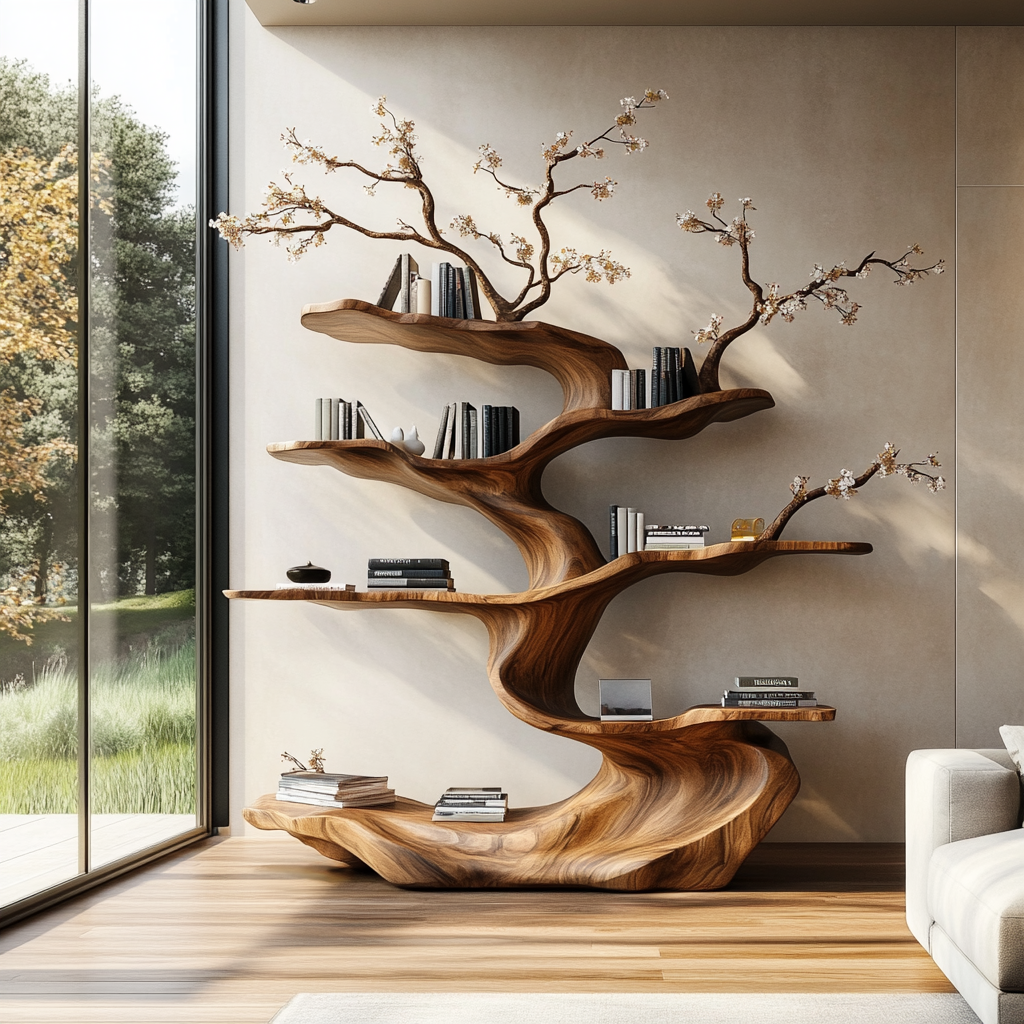
Discover how a tree shaped bookshelf adds sculptural style, smart storage, and visual warmth to living rooms, bedrooms, offices, and reading nooks.
A tree shaped bookshelf is one of the rare furniture pieces that works equally well as storage and statement decor. Inspired by the branching form of a tree, this type of shelving turns a practical need—organizing books, plants, and decorative objects—into a focal point that brings movement and personality into a room. For homeowners, apartment dwellers, and interior designers alike, tree-inspired shelving offers a creative way to display books without relying on a standard rectangular bookcase.

As modern interiors increasingly favor furniture that is both expressive and useful, the tree bookshelf has become a popular choice. It fits into minimalist homes, cozy reading corners, children’s bedrooms, and even professional office spaces. The appeal lies in its versatility: it can feel artistic, whimsical, rustic, architectural, or sleek depending on the material, finish, and silhouette.
The growing demand for visually distinctive furniture has helped elevate the tree shaped bookshelf from novelty item to smart design solution. Instead of hiding books away, this shelf style frames them as part of the room’s decor. The branching layout creates a sense of rhythm and vertical flow, helping walls feel more dynamic and less flat.
Beyond aesthetics, a tree shaped bookshelf often makes excellent use of vertical space. In smaller homes or apartments, where floor area is limited, upward storage is invaluable. A slim tree bookshelf can hold a respectable collection of books while taking up far less room than a broad traditional bookcase. That makes it especially appealing for compact living rooms, bedrooms, hallways, and home offices.
Another reason for its popularity is emotional appeal. Tree motifs naturally evoke growth, calm, and connection to nature. Even in urban settings, furniture inspired by organic shapes can soften a space and make it feel more welcoming.
The best furniture balances visual impact with everyday practicality, and that is exactly where the tree shaped bookshelf excels. Its form is eye-catching, but the design is not purely decorative. Each branch-like shelf can be used to hold novels, magazines, children’s books, framed photos, candles, or small plants.
Functionally, these shelves can help with organization by encouraging curated display. Because the shelf lengths and angles vary, users tend to arrange items more intentionally. This often leads to neater styling and a less cluttered look. A tree bookshelf also makes it easy to separate categories of books by branch or level, which can be especially useful in family homes or personal libraries.
From a design standpoint, the silhouette creates sculptural interest. A blank wall that might feel underused can instantly become an artistic feature when anchored by a tree shaped bookshelf. The piece draws the eye upward, making ceilings appear taller and rooms feel more expansive.
Not every tree bookshelf looks the same. There are many interpretations of the concept, and each one offers a slightly different mood and purpose.

Minimalist designs use clean lines and restrained branching patterns. These are often finished in black, white, oak, or walnut and work beautifully in contemporary and Scandinavian interiors. The shape references a tree without becoming overly ornate, making it ideal for those who want subtle visual interest.
Rustic versions emphasize texture and warmth. Reclaimed wood, distressed finishes, or natural grain patterns give the piece a handcrafted, earthy quality. A rustic tree shaped bookshelf pairs well with farmhouse, bohemian, or cabin-inspired decor and can make a room feel grounded and inviting.
In children’s rooms, tree bookshelves often feature playful proportions, bright colors, and lower shelf heights for easy access. They can help encourage reading by making books more visible and exciting. The imaginative shape also contributes to a whimsical environment that feels fun rather than purely functional.
Wall-mounted designs are ideal when floor space is at a premium. These create the illusion of branches growing across the wall and can be especially striking in small apartments, reading nooks, or modern offices. They deliver artistic impact while preserving open floor area.
Freestanding models are among the most practical choices for everyday use. They can be moved when needed, often hold more weight, and are easier to integrate into rental spaces. A freestanding tree bookshelf can stand alone as a statement piece or be styled alongside a chair, lamp, and rug to create a complete reading corner.
Material plays a major role in both appearance and durability. When choosing a tree shaped bookshelf, it is worth considering how the piece will be used and what atmosphere you want to create.
For households with heavy books, sturdier materials and reliable construction matter more than appearance alone. Stability, shelf depth, and weight capacity should always be part of the decision.
One of the strongest advantages of the tree shaped bookshelf is its adaptability. It can enhance many different spaces throughout the home.

In a living room, a tree bookshelf can act as both storage and art. It works well on an accent wall, beside a sofa, or near a fireplace. Styled with books, ceramics, and greenery, it creates a collected, intentional look.
In bedrooms, especially smaller ones, a narrow tree shaped bookshelf offers convenient vertical storage without making the room feel crowded. It can hold bedtime reading, personal keepsakes, and soft decorative elements.
In a workspace, a tree bookshelf breaks up the predictability of standard office furniture. It can display reference books, design objects, awards, or storage boxes while making the office feel more creative and less sterile.
These often-overlooked areas can benefit from a slim tree bookshelf design. It adds character to transitional spaces and can hold books, baskets, or decorative accents without overwhelming the area.
A tree bookshelf is especially effective in kids’ spaces because it turns book storage into part of the play environment. Paired with floor cushions, soft lighting, and a small rug, it helps create an inviting reading zone.
A tree shaped bookshelf is naturally expressive, but good styling makes the design even more effective. The goal is to let the silhouette remain visible while still making full use of the shelves.
If the shelf has a dramatic branching pattern, avoid overloading every surface. A curated arrangement usually looks better than maximum capacity styling. The piece should feel airy, not cramped.
Before purchasing a tree bookshelf, it helps to evaluate a few practical factors. First, measure the available wall and floor space carefully. A tall, narrow design may be perfect for compact rooms, while a broader silhouette may suit a large living area better.
Next, think about what the shelf will primarily hold. If it is mainly for paperbacks and decor, many designs will work. If it needs to support heavy hardcovers or textbooks, choose a model with thick panels, strong joinery, and anti-tip hardware.
Color and finish also matter. Light wood tones can brighten a room and feel Scandinavian or natural, while darker finishes create contrast and sophistication. White versions often blend seamlessly into modern interiors, and black styles can look bold and architectural.
Finally, consider assembly and safety. Because the structure may have asymmetrical branches, secure installation is important. In homes with children or pets, anchoring a freestanding shelf to the wall is a wise precaution.
A traditional bookcase offers uniform shelves, straightforward storage, and a classic appearance. It is efficient and often easier to fill with large collections. However, it can also feel generic, especially in rooms that need a stronger focal point.
A tree shaped bookshelf, by contrast, prioritizes both utility and visual storytelling. It may not always hold books as densely as a standard rectangular bookcase, but it offers superior decorative value and a more personalized look. For many buyers, that tradeoff is exactly the point. They want storage that contributes to the identity of the room rather than fading into the background.
Contemporary design increasingly values furniture that is multi-functional, space-aware, and expressive. The tree bookshelf aligns well with all three priorities. It serves a practical purpose, often works well in small footprints, and acts as a sculptural statement at the same time.
It also reflects a broader movement toward biophilic design, which incorporates natural forms and materials into interiors. Even a stylized tree silhouette can make a room feel softer and more restorative. For people seeking interiors that are functional but not cold, this balance is highly attractive.
Because the design is so adaptable, it can bridge styles rather than belong to just one. A simple oak tree bookshelf can feel Scandinavian, a black geometric version can feel modern, and a reclaimed wood piece can feel rustic or eclectic. That flexibility helps explain why the concept continues to remain relevant.
Tree shaped bookshelf designs stand out because they do more than store books. They transform walls and corners into expressive, useful spaces that reflect personality and design intent. Whether you choose a compact model for a bedroom, a freestanding statement piece for a living room, or a playful version for a child’s reading nook, the right tree bookshelf can bring both order and artistry to your home.
If you want furniture that blends storage, sculpture, and warmth, a tree shaped bookshelf is a compelling option. It proves that practical pieces do not need to be plain—and that great design can be both beautiful and deeply functional.