Physical Address
304 North Cardinal St.
Dorchester Center, MA 02124
Physical Address
304 North Cardinal St.
Dorchester Center, MA 02124

Explore inspiring wood bathroom vanity ideas that bring warmth, balance, and timeless character to bathrooms of every size.
A thoughtfully chosen bathroom vanity can completely change how a space feels. In bathrooms that seem cold, sterile, or overly polished, wood introduces warmth, texture, and visual weight. That is why designers consistently turn to a wood bathroom vanity when the goal is to make a bathroom feel more grounded, welcoming, and timeless.
Whether your style leans modern, rustic, organic, or refined, the right vanity helps anchor the entire room. Materials, grain pattern, finish tone, hardware, and countertop selection all play a role. From a sleek walnut bathroom vanity to a calming white oak bathroom vanity, wood offers a versatile foundation that works across design styles while creating a stronger connection to natural materials.
In this guide, you will find practical and design-forward ideas for choosing a vanity that adds depth and authenticity. We will also explore how a real wood bathroom vanity compares with veneered options, what makes a rustic wood bathroom vanity so appealing, and how to style your bathroom so the vanity feels like a true focal point rather than just a storage unit.
Bathrooms often contain hard, reflective surfaces such as tile, glass, stone, and metal. While these finishes are durable and attractive, they can sometimes make the room feel impersonal. A wood bathroom vanity introduces natural variation that softens the environment. Grain movement, subtle knots, tonal shifts, and tactile texture all bring a lived-in quality that manufactured materials rarely match.
Grounded design is about creating a sense of stability and calm. In practical terms, that usually means balancing crisp architectural lines with warm organic finishes. A wood vanity acts as that balancing element. It can visually anchor a floating mirror, offset cool marble, or add richness beneath a bright white countertop. Even in a minimalist bathroom, the presence of wood can make the room feel less clinical and more intentional.
Another advantage is timelessness. Trends come and go, but natural wood remains relevant because it adapts. A vanity in walnut, white oak, or reclaimed timber can suit contemporary, transitional, farmhouse, Scandinavian, and spa-inspired spaces alike. That longevity makes investing in a quality bathroom vanity especially worthwhile.
Not every wood tone creates the same atmosphere. The species and finish of your vanity will influence whether the room feels airy, cozy, dramatic, or refined. Selecting the right tone is one of the most important decisions when shopping for a bathroom vanity.
A walnut bathroom vanity is an excellent choice when you want richness and elegance. Walnut typically features a deep brown tone with subtle undertones that can range from chocolate to caramel. It gives bathrooms a luxurious and established feel without relying on ornate details.
Walnut works beautifully with white walls, brushed brass hardware, honed stone, and warm lighting. In modern bathrooms, it adds warmth to clean-lined cabinetry. In more classic spaces, it creates depth and visual substance. If your bathroom has high ceilings or large-format tile, a walnut vanity can help the room feel more intimate and balanced.
A white oak bathroom vanity is ideal for homeowners who want a softer, lighter look while still embracing natural wood. White oak typically has a gentle grain and a neutral beige-to-honey tone that pairs well with a wide range of finishes. It is especially popular in spa-like interiors, Scandinavian design, and organic modern bathrooms.
Because white oak feels bright but not stark, it creates a calming foundation. It pairs well with creamy walls, textured tile, matte black accents, and natural stone countertops. A white oak bathroom vanity can also make smaller bathrooms feel more open while still delivering the grounding effect that painted cabinetry often lacks.
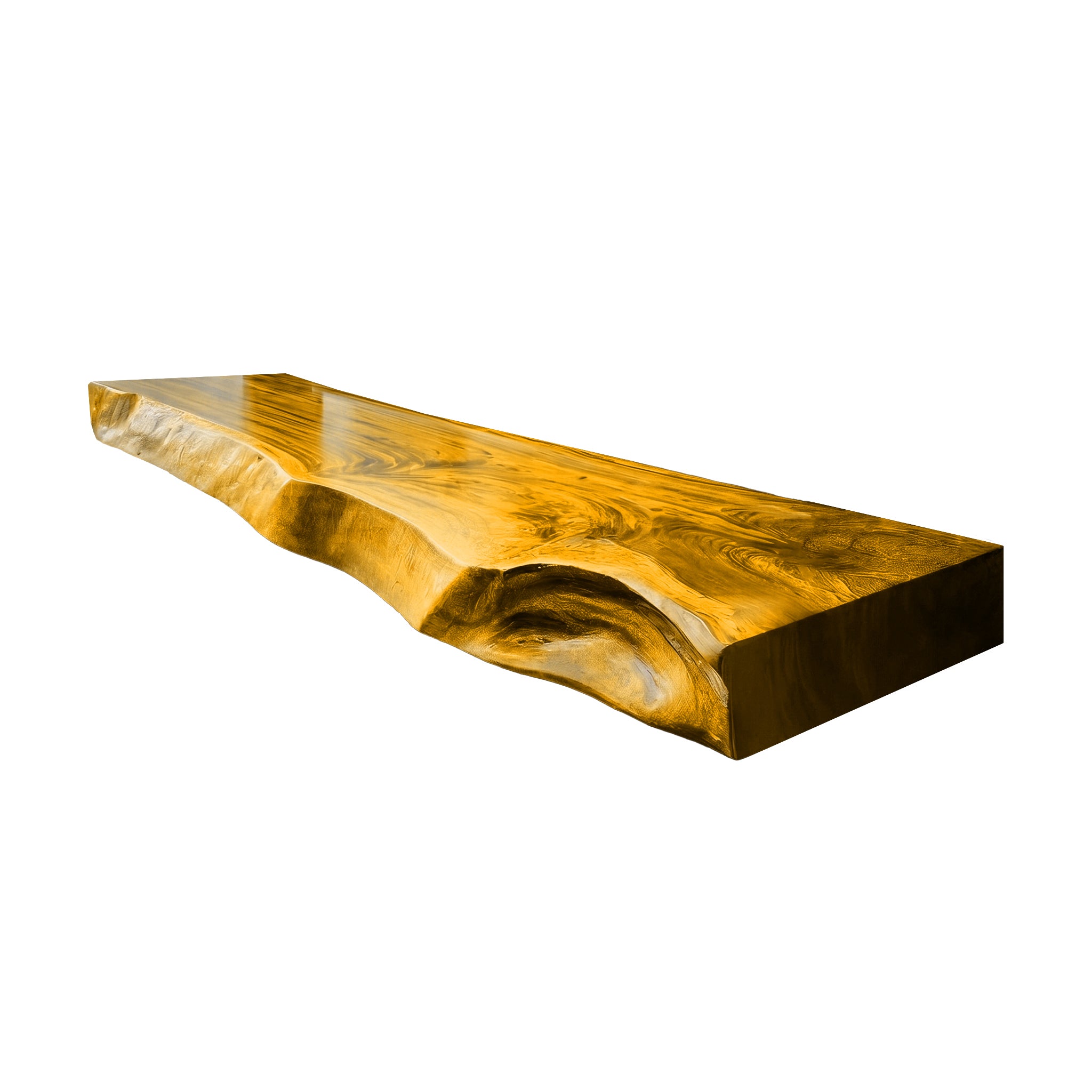
If you want your bathroom to feel layered, collected, and full of personality, a rustic wood bathroom vanity may be the perfect fit. Rustic styles often highlight knots, saw marks, weathering, or reclaimed materials. These details add a sense of authenticity that immediately warms up the room.

Rustic wood vanities work particularly well in farmhouse, lodge, industrial, and Mediterranean-inspired bathrooms. Pairing a rustic vanity with simple stone, aged metal, and soft neutral tile can create a bathroom that feels both grounded and memorable.
When evaluating a real wood bathroom vanity, it is important to understand the difference between solid wood construction and wood veneer. Both can be high quality, but they serve different purposes and come with distinct performance characteristics.
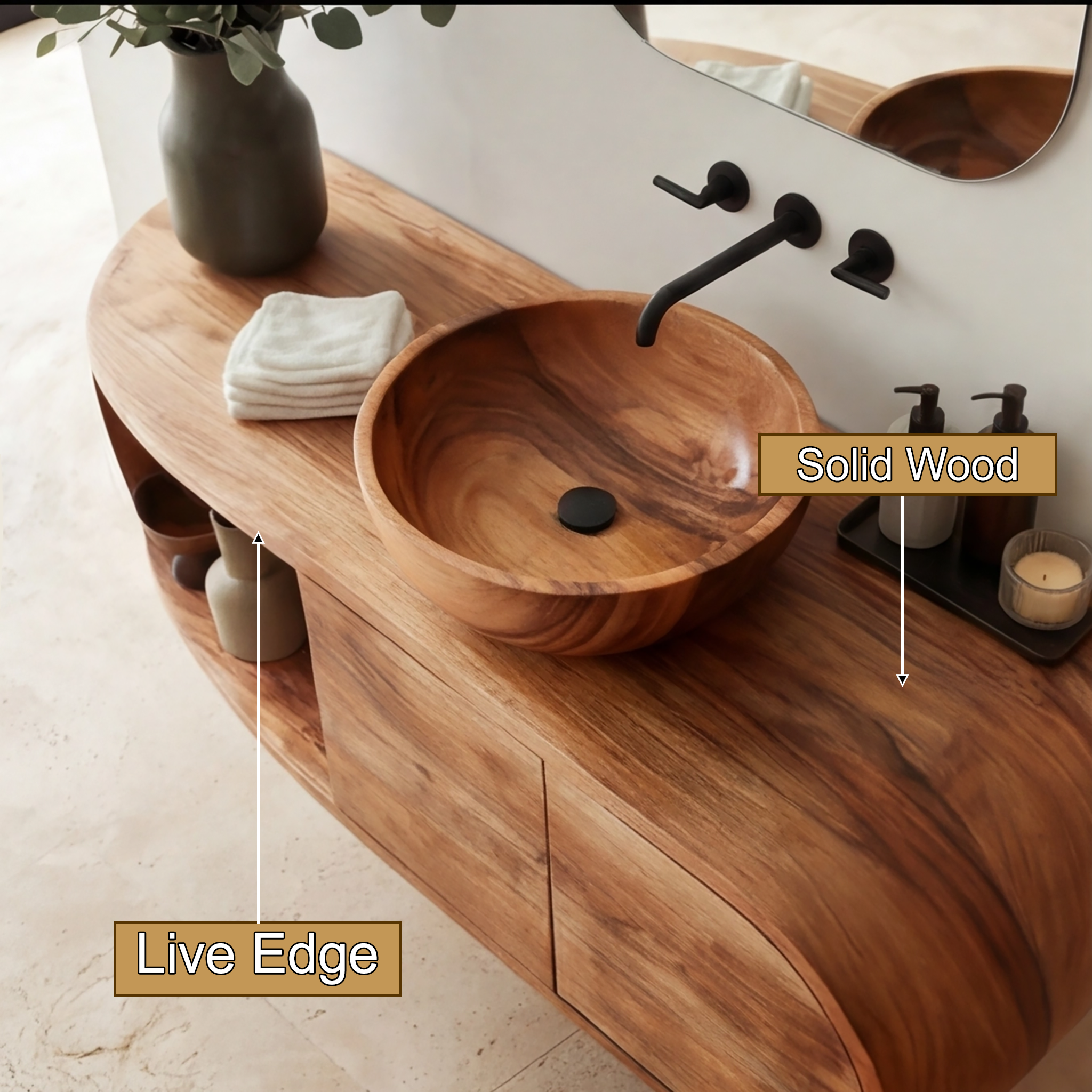
A real wood bathroom vanity uses solid wood for at least major visible components, and sometimes for structural elements as well. Solid wood offers natural beauty, durability, and the ability to age gracefully. It often has deeper grain character and a more substantial feel. For homeowners who value craftsmanship and material authenticity, real wood is especially appealing.
Wood veneer, by contrast, uses a thin layer of real wood applied over an engineered core such as plywood or MDF. A well-made veneered vanity can still look beautiful and may offer better dimensional stability in humid conditions. The key is quality. Poorly made units may warp, peel, or feel lightweight, while premium veneered cabinetry can perform exceptionally well.
If your priority is a truly organic, heirloom-quality statement piece, a real wood bathroom vanity is hard to beat. If your budget is more moderate but you still want the look of natural wood, high-quality veneer over a stable substrate can be a smart choice.
A floating wood bathroom vanity is one of the best ways to blend warmth with modern design. By mounting the vanity to the wall and leaving floor space visible beneath, you create a cleaner, more open appearance. This works particularly well in smaller bathrooms or in spaces where you want wood to feel contemporary rather than heavy.
Try a floating white oak bathroom vanity with integrated pulls, a quartz countertop, and a large frameless mirror. The result is streamlined yet inviting. Add under-vanity lighting for a subtle glow that enhances the grounded, spa-like mood.
A freestanding vanity can make the bathroom feel more curated and residential. Instead of resembling built-in cabinetry, it looks more like a handcrafted furniture piece. This is an excellent option if you want the vanity to become a design centerpiece.
A walnut bathroom vanity with tapered legs or a plinth base can elevate the room instantly. Pair it with a marble top, vintage-inspired faucet, and wall sconces for a look that feels sophisticated yet warm.
A rustic wood bathroom vanity is ideal when you want tactile texture and visual history. Reclaimed wood or distressed finishes add depth that balances sleek tile and polished fixtures. This contrast is especially effective in bathrooms that would otherwise feel too new or overly glossy.
For a refined rustic approach, avoid overcrowding the space with themed decor. Let the vanity be the statement, then support it with simple white tile, matte hardware, and earthy textiles.
In a shared primary bath, a double bathroom vanity in natural wood can create structure while maintaining a serene atmosphere. The larger scale of a double vanity gives wood grain more room to shine, making it a major visual anchor in the room.
A long white oak bathroom vanity with two sinks, flat-panel drawers, and a stone countertop can feel both practical and luxurious. If you prefer bolder contrast, a dark walnut bathroom vanity can add dramatic weight to expansive spaces.
Wood becomes even more compelling when paired with contrasting materials. Consider combining a wood vanity with black steel framing, ribbed glass, fluted fronts, or stone side panels. This layered approach makes the bathroom vanity feel custom and architectural.
Mixed-material designs are especially effective in urban, industrial, and organic modern homes. They preserve the grounding effect of wood while adding extra detail and sophistication.
A luxury bathroom vanity should feel elevated, but true luxury is not only about polished surfaces and premium finishes. The most appealing high-end bathrooms balance refinement with comfort. Wood helps accomplish that balance.
Instead of choosing a glossy lacquer vanity, many designers now prefer natural wood species with a matte or satin finish. This makes the room feel more relaxed and enduring. A luxury bathroom vanity in walnut or white oak can be paired with slab stone, designer lighting, custom mirrors, and elevated hardware to create a sophisticated look that still feels deeply livable.
Details matter here. Look for features such as dovetail drawers, integrated organizers, stone backsplashes, soft-close hardware, and carefully finished interiors. In a high-end bathroom, the vanity should be beautiful from every angle and highly functional in everyday use.
The countertop you choose will strongly influence how grounded or airy your wood bathroom vanity feels. Some of the most successful combinations include:
If your goal is a grounded bathroom, avoid combinations that feel too sharp or sterile. Soft veining, honed finishes, and warm undertones generally pair best with natural wood.
The supporting finishes around your bathroom vanity should reinforce the mood you want. Because wood already provides warmth, metal finishes can either sharpen the look or soften it further.
Drawer pulls, faucets, sconces, mirror frames, and even towel bars should feel visually connected. Cohesion makes the vanity look intentional and helps the room feel calmer overall.

A beautiful bathroom vanity still needs to perform. Storage should support your daily routine without cluttering the visual simplicity that makes a bathroom feel restful.
Look for vanities with a mix of deep drawers, organizers, pull-out trays, and concealed storage. Drawers are often more practical than doors because they provide easier access to toiletries and tools. In a family bathroom, separate zones for each user can make the space more efficient. In a guest bath, a smaller vanity with one or two drawers may be enough if styled well.
If you choose a floating vanity and lose some enclosed storage, compensate with recessed medicine cabinets, nearby linen shelving, or built-in niches. Grounded design is not only visual; it also comes from a room feeling ordered and easy to use.
A wood bathroom vanity stands out most when the surrounding palette supports it. Some of the best color strategies include:
Try to avoid overly cool whites or blue-grays if your goal is warmth and grounding. A cohesive palette with warm undertones will help the vanity feel integrated rather than isolated.
A real wood bathroom vanity can last for many years if cared for properly. Because bathrooms are humid environments, moisture management is essential. Always wipe up standing water around the sink and faucet base, and use exhaust fans to reduce humidity after showers.
Clean the wood with products recommended by the manufacturer, avoiding harsh chemicals that can strip the finish. If your vanity is made from solid wood, small tonal changes over time are normal and often enhance its beauty. In fact, aging is one reason many homeowners prefer a real wood bathroom vanity over synthetic alternatives.
Durable finishes such as catalyzed lacquer, conversion varnish, or high-quality oil-based sealers can improve resilience. Before buying, ask about the finish system and whether it is rated for bathroom use.
Even the most beautiful bathroom vanity will not work if the proportions are wrong. Measure carefully and consider circulation, door swings, drawer clearance, and sink placement. In smaller bathrooms, a 24- to 36-inch vanity may be ideal. Medium bathrooms often suit a 42- to 60-inch model, while larger primary baths can support 72 inches or more.
Scale also affects how grounded the room feels. A vanity that is too small may seem disconnected, while one that is too bulky can overwhelm the space. The best fit creates balance between presence and openness. Floating designs help reduce visual bulk, while furniture-style vanities offer stronger visual anchoring.
If you want your bathroom to feel more grounded, few elements have more impact than the vanity. A carefully selected wood bathroom vanity introduces warmth, stability, and natural character in a way that painted or synthetic finishes rarely can. Whether you choose a rich walnut bathroom vanity, a serene white oak bathroom vanity, a textured rustic wood bathroom vanity, or a custom real wood bathroom vanity, the result can transform the entire mood of the space.
The most successful bathrooms are not only attractive; they feel calm, tactile, and connected to everyday life. A well-designed luxury bathroom vanity made from natural wood offers exactly that combination. By pairing the right wood tone with thoughtful storage, complementary materials, and a warm palette, you can create a bathroom that feels timeless, functional, and deeply inviting.