Physical Address
304 North Cardinal St.
Dorchester Center, MA 02124
Physical Address
304 North Cardinal St.
Dorchester Center, MA 02124

Learn how to select a decorative tree bookshelf that fits your space, style, storage needs, and room layout beautifully.
A decorative tree bookshelf is more than a place to store books. It is a statement piece that blends function, style, and personality into one compact design. With its branching silhouette and artistic structure, this type of shelving can transform a plain wall or empty corner into a focal point. Whether you are furnishing a cozy reading nook, styling a modern living room, or organizing a child’s bedroom, choosing the right tree bookshelf requires careful thought.

The best decorative tree bookshelf should suit your room size, complement your decor, provide the right amount of storage, and remain sturdy for daily use. Because these shelves come in many sizes, finishes, and configurations, it helps to know exactly what to look for before you buy. This guide will walk you through everything you need to consider so you can confidently select the perfect option for every room in your home.
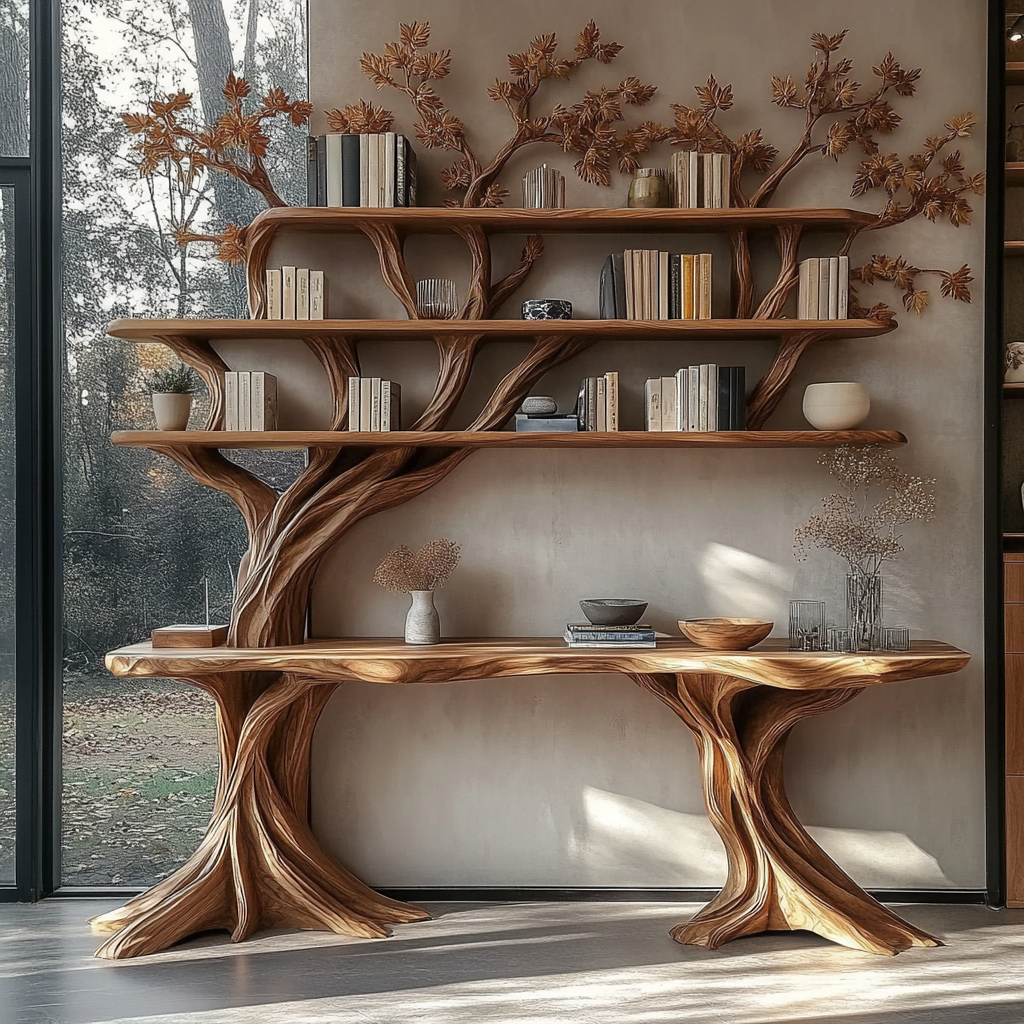
A decorative tree bookshelf is a shelving unit designed to resemble the trunk and branches of a tree. Instead of standard horizontal rows, the shelves often extend diagonally or asymmetrically, creating a sculptural effect. This artistic layout makes the piece attractive even when it is not fully stocked.
Many homeowners choose a tree bookshelf because it adds visual interest while using vertical space efficiently. It can serve as both storage furniture and wall art, making it especially useful in apartments, small homes, and rooms that need a unique design accent.
One of the biggest advantages of a decorative tree bookshelf is its versatility. Traditional bookcases can feel bulky or formal, but a tree-shaped design feels lighter and more creative. It works well in minimalist spaces, eclectic interiors, contemporary homes, and even rustic rooms when finished in natural wood tones.
Because the profile is often narrow, these bookshelves can fit into areas where a wide shelving unit would overwhelm the room. They are ideal for:
Start by measuring the area where you plan to place the bookshelf. Height, width, and depth all matter. A decorative tree bookshelf should feel intentional, not squeezed into a tight gap or dwarfing the room around it.
In smaller spaces, a slim vertical model often works best. In larger rooms, you may choose a taller and wider unit that acts as a centerpiece. Always check how far the shelves project outward so walkways remain clear and the room does not feel cramped.
Some people want a tree bookshelf mainly for display, while others need serious storage. Think about what you will place on it:
If you own many large books, choose a unit with deeper, sturdier shelves and clear weight capacity information. If the bookshelf is mostly decorative, you can prioritize shape and finish over maximum load.
Material has a direct impact on appearance, durability, and price. Common options include engineered wood, solid wood, metal, or mixed-material designs.

Engineered wood is often affordable and available in many finishes. It works well for modern and budget-conscious interiors. Solid wood offers warmth, strength, and timeless appeal, making it a great fit for rustic, Scandinavian, or classic spaces. Metal frames create an industrial or contemporary feel and can provide excellent support when paired with wood shelves.
Look closely at the construction quality. A decorative tree bookshelf should have stable joints, an even finish, and shelves thick enough to resist bending over time.
Because tree bookshelves often have an unconventional silhouette, stability is essential. This is especially important in homes with children or pets. Choose models with anti-tip hardware or wall-anchoring options. A solid base and balanced weight distribution help prevent wobbling.
If the bookshelf is tall and narrow, anchoring it to the wall is strongly recommended. Safety should never be sacrificed for style.
Your bookshelf should complement the room’s overall design. A glossy black unit may look perfect in a modern apartment but out of place in a farmhouse-inspired room. Consider the existing furniture, flooring, wall color, and decor accessories before choosing a finish.
Popular finish choices include:
The living room is one of the best places to showcase a decorative tree bookshelf. In this setting, it often functions as both storage and a conversation piece. Choose a model that matches the scale of your seating arrangement and nearby furniture.
If your living room has high ceilings, a taller bookshelf can help draw the eye upward and make the space feel more dynamic. If the room is compact, a narrow design placed beside a sofa or media console can add storage without dominating the layout.
For styling, mix books with carefully chosen decor objects. Alternate vertical and horizontal book stacks, add a trailing plant, and leave some negative space so the branching shape remains visible. This keeps the shelf looking curated rather than cluttered.
In a bedroom, a decorative tree bookshelf should support a calm and relaxing atmosphere. Soft wood tones, white finishes, or muted neutrals usually work well. Consider placing it near a reading chair, beside a dresser, or in an unused corner.

Bedroom bookshelves often hold novels, journals, candles, framed photos, and small personal items. Because bedrooms benefit from visual calm, avoid overfilling the shelves. A simple, balanced arrangement can make the unit feel elegant and restful.
If your bedroom is small, choose a compact tree bookshelf that emphasizes height rather than width. This helps preserve floor space while still giving you stylish storage.
A home office needs furniture that supports focus and organization. A decorative tree bookshelf can bring personality to the room without making it feel too formal. Look for a model with enough capacity for work-related books, binders, notebooks, and small office supplies.
In a professional-looking office, choose clean lines and restrained finishes such as matte black, walnut, or white. Keep the styling practical but polished. Storage boxes, labeled containers, and a few decorative accents can help the shelf remain functional while still adding design value.
If your office doubles as a guest room or creative studio, a tree bookshelf can soften the space and make it feel more inviting.
A tree bookshelf is especially charming in a child’s bedroom or playroom. Its playful shape can encourage reading and make books more accessible. Safety is the top priority here, so select a low or securely anchored design with rounded edges when possible.
Bright colors or light wood finishes work well in children’s spaces. Make sure the shelf height allows kids to reach their favorite books easily. You can also use the lower sections for baskets containing toys, art supplies, or educational materials.
A decorative tree bookshelf in a child’s room should be sturdy, simple to clean, and easy to keep organized. Models with wide branch shelves are often more practical for picture books and story collections.
For apartments, studios, or tight corners, the right tree bookshelf can make a big impact with a small footprint. Focus on vertical designs that maximize wall space. A tall, narrow model can hold a surprising number of books while keeping the room open and breathable.
In small spaces, lighter finishes like white or pale wood can help the unit feel less heavy. Avoid oversized models with deep shelves if the room already feels crowded. Instead, choose a sleek silhouette with just enough capacity for your essentials.
Corner-friendly tree bookshelves are another smart option. They use space efficiently and can turn an awkward nook into a useful display area.
Different rooms place different demands on furniture. Here is how materials can influence your choice:
If you expect the shelf to hold heavy items regularly, confirm the manufacturer’s weight recommendations before purchasing.
Once you choose the right unit, styling it thoughtfully will help it stand out. The goal is to enhance the tree-like design rather than hide it behind too many objects.
A decorative tree bookshelf often looks best when it feels curated, not crowded. Edit your display occasionally to keep the arrangement fresh and functional.
Even a beautiful bookshelf can disappoint if chosen poorly. Watch out for these common mistakes:
A little planning prevents these issues and helps ensure your bookshelf remains both attractive and useful.
For many homeowners, the answer is yes. A decorative tree bookshelf combines visual appeal with practical storage in a way few furniture pieces can. It is ideal for people who want to express personality through home decor while still keeping books and accessories organized.
Because it functions as both storage and art, it can offer better design value than a plain bookcase in the right setting. When selected carefully, it becomes a long-lasting feature that improves both the look and function of a room.
Choosing the perfect decorative tree bookshelf for every room starts with understanding your space, storage needs, and design preferences. The right unit should fit comfortably, support the items you want to display, and enhance the style of the room without overwhelming it.
Whether you want a slim bookshelf for a small apartment, a statement piece for the living room, a charming organizer for a child’s bedroom, or a stylish storage solution for a home office, there is a tree bookshelf to match your needs. Focus on quality, stability, proportion, and finish, and you will find a piece that delivers beauty and functionality for years to come.