Physical Address
304 North Cardinal St.
Dorchester Center, MA 02124
Physical Address
304 North Cardinal St.
Dorchester Center, MA 02124

Explore the luxury bathroom vanity details that bring elegance, warmth, storage, and lasting value to a beautifully designed bathroom.
A luxury bathroom is never defined by square footage alone. The most unforgettable spaces feel intentional at every level, and the bathroom vanity often becomes the visual and functional anchor that sets that tone. When chosen with care, a bathroom vanity does far more than hold a sink. It shapes how the room flows, how materials interact, and how daily routines feel. In a refined bathroom, the vanity introduces craftsmanship, storage intelligence, tactile beauty, and a sense of permanence that instantly elevates the entire space.
Whether the goal is a calm retreat inspired by natural textures or a dramatic statement rooted in custom detailing, the right vanity can transform an ordinary bathroom into a high-design sanctuary. From a sculptural wood bathroom vanity to a clean-lined japandi bathroom vanity, the details matter. Material selection, proportions, finishes, hardware, countertop pairing, sink integration, and lighting all contribute to a layered result that looks luxurious and lives beautifully.
This guide explores the luxury bathroom vanity details that create a bathroom people remember. If you are designing a primary suite, updating a guest bath, or investing in a custom renovation, these are the features that deserve close attention.
In many high-end bathrooms, the vanity is the first feature that captures attention. It grounds the room visually while supporting some of the most frequently used moments of the day. Because of this dual role, a bathroom vanity must balance elegance with practical performance. Luxury is found not only in how it looks on installation day, but also in how it functions over time.
A well-designed vanity introduces order, proportion, and visual rhythm. It can soften stone-heavy rooms with warm timber, reinforce a modern architectural language with crisp lines, or lend a handmade sensibility through natural grain, carved fronts, and artisanal finishes. The best luxury vanities feel integrated into the room rather than merely placed within it.
Scale is essential. A vanity that is too small feels insignificant, while one that overwhelms the footprint can diminish the sense of ease that defines upscale interiors. Correct sizing allows enough countertop workspace, comfortable circulation, and storage that supports a clutter-free environment. In luxury design, restraint and balance are often as important as ornament.
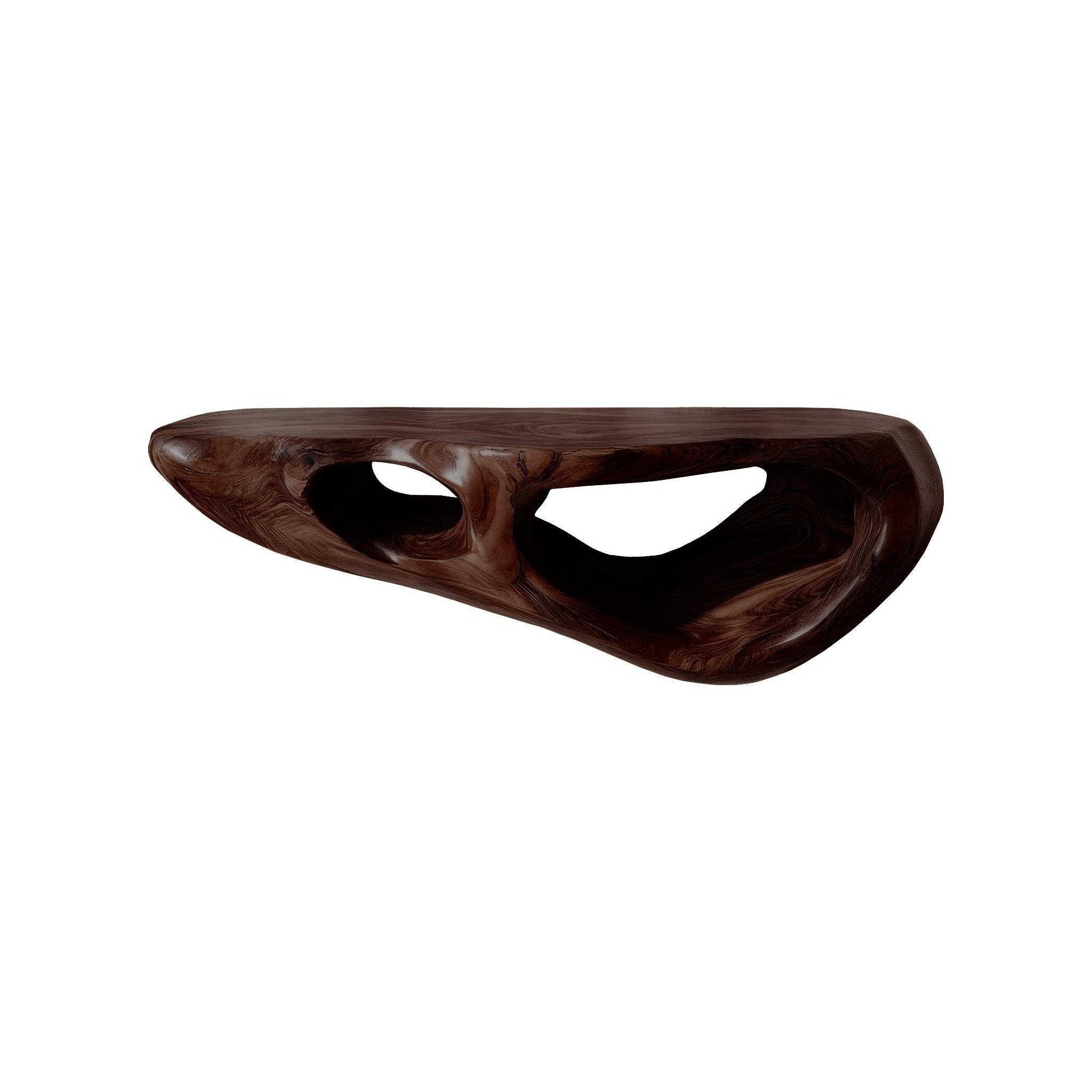
One of the most enduring choices in upscale bathroom design is a wood bathroom vanity. Wood brings visual warmth to a room that often contains hard, cool materials such as tile, porcelain, glass, and metal. This contrast is what gives a bathroom depth and comfort. Instead of feeling clinical, the space becomes grounded and inviting.
Wood also introduces unique character through grain variation, knots, tone, and texture. No two pieces are exactly alike, which makes a luxury vanity feel custom and distinctive. Oak, walnut, teak-inspired finishes, and other natural species continue to dominate premium bathroom design because they connect the room to nature while remaining timeless.
An oak bathroom vanity is especially popular for luxury interiors because of its ability to bridge styles. It can support modern minimalism, transitional elegance, or organic spa-inspired design. Lighter oak tones feel airy and calming, while deeper stained finishes create richness and contrast. In either case, oak offers a refined, approachable beauty that ages gracefully.
For clients seeking warmth with a contemporary profile, a modern wood bathroom vanity often strikes the ideal balance. It provides the authenticity of natural material while embracing sleek silhouettes, integrated storage, and understated detailing.
Luxury is often easiest to identify in the details that are not immediately visible. Construction quality matters enormously when choosing a bathroom vanity, especially in a space exposed to humidity, temperature changes, and daily use. A solid wood bathroom vanity with sink offers one of the clearest indicators of long-term value because it combines structural integrity with natural beauty.
Solid wood construction generally provides more durability than lower-grade alternatives and offers a sense of substance that is easy to feel in drawers, doors, and framing. The vanity should open smoothly, close quietly, and remain stable over time. Joinery, finish application, and interior organization all reveal whether the piece was designed for lasting performance or short-term visual appeal.
When evaluating quality, look for moisture-conscious finishing, sturdy drawer boxes, reinforced sink supports, and premium hardware. Soft-close hinges and drawer glides are now expected in luxury spaces, but the best vanities also offer thoughtful interior layouts that make grooming products, linens, and cleaning supplies easy to organize. A beautiful vanity that cannot support daily life will never feel truly luxurious.
The countertop is a major design partner to the vanity base. Together, they create the aesthetic language of the room. Stone remains a favorite in luxury bathrooms because it introduces depth, durability, and visual refinement. Marble offers classic elegance with soft veining, quartz provides consistency and low maintenance, and quartzite brings natural drama with resilience.
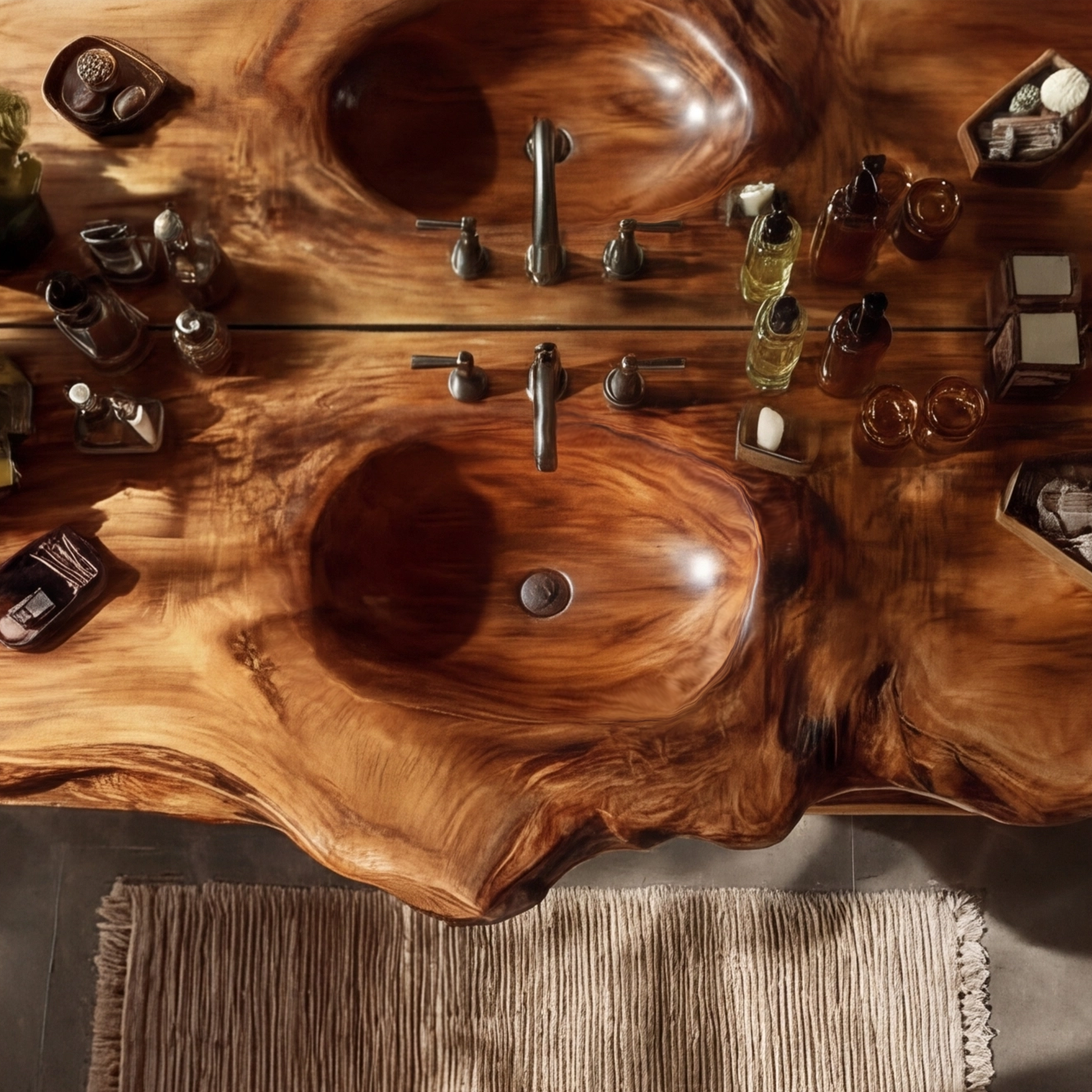
The key is selecting a surface that complements the vanity rather than competing with it. A richly grained wood bathroom vanity often pairs beautifully with a restrained slab in white, cream, taupe, or charcoal. If the wood finish is lighter and more subtle, the stone can become more expressive. If the wood is dark and dramatic, a quieter top can create needed balance.
Edge profile also plays a role. Thin eased edges feel contemporary and architectural, while a thicker mitered look can suggest tailored luxury. In traditional or transitional spaces, a more pronounced profile may reinforce the room’s classic detailing. The objective is cohesion, not excess.
Sink choice changes both the appearance and functionality of a bathroom vanity. Undermount sinks remain a luxury favorite because they create a seamless countertop surface that is easy to clean and visually streamlined. Integrated stone sinks offer an even more custom effect, making the vanity feel sculpted and bespoke. Vessel sinks can work in statement-driven bathrooms, though they require careful planning for faucet height and splashing control.
In larger bathrooms, a double sink wood bathroom vanity can dramatically improve convenience without sacrificing style. The best versions are not simply wider cabinets with duplicated basins. They are thoughtfully composed pieces with equal attention to spacing, mirror placement, lighting symmetry, and storage distribution. In a primary bath shared by two people, double sinks support smoother routines and a more comfortable experience.
Luxury lives in the practical details here as well. Adequate landing space on both sides of the sink, comfortable user height, durable faucet finishes, and concealed plumbing all contribute to a vanity that feels polished and complete.
For those drawn to calm, balanced interiors, a japandi bathroom vanity captures a compelling blend of Japanese simplicity and Scandinavian warmth. This style has become increasingly influential in luxury bathrooms because it prioritizes serenity, craftsmanship, and natural materials without appearing stark.
A japandi bathroom vanity often features clean lines, muted wood tones, minimal hardware, and a focus on proportion over decoration. It may include floating construction, slatted fronts, or subtle integrated pulls that maintain a quiet visual field. The result is a bathroom that feels restful, intentional, and deeply refined.
What makes this style especially memorable is its discipline. Every element serves a purpose, and nothing feels excessive. When paired with textured plaster walls, stone basins, soft lighting, and carefully chosen accessories, the vanity helps create an immersive atmosphere that reads as luxurious precisely because it is so composed.
One of the most important aesthetic choices is whether the bathroom vanity will float or sit on the floor. Floating vanities create a light, architectural look that can make the room feel more spacious. They are particularly effective in modern and spa-inspired bathrooms, where visual openness is a priority. A floating modern wood bathroom vanity can feel sleek yet natural, especially when under-cabinet lighting is added to emphasize the sense of suspension.
Freestanding vanities, on the other hand, often deliver a stronger furniture-like presence. They can feel more substantial and tailored, especially when designed with decorative legs, plinth bases, framed drawer fronts, or handcrafted detailing. In many luxury settings, a freestanding vanity contributes richness and permanence.
The best choice depends on the architecture of the room, the style direction, and how much storage is needed. Floating designs can still provide generous storage if carefully planned, but freestanding models often allow deeper drawers and a more grounded silhouette.
Hardware is a relatively small detail with outsized impact. Pulls, knobs, and handles help define whether the vanity feels modern, organic, classic, or bold. In luxury bathrooms, hardware should feel intentional and materially aligned with the rest of the room.
Brushed brass introduces warmth and sophistication, matte black provides contrast and contemporary edge, polished nickel feels timeless, and aged bronze can deepen a more rustic or traditional palette. On a modern wood bathroom vanity, slim linear pulls can emphasize clean geometry. On a more classic oak bathroom vanity, gently rounded or textured hardware can add subtle richness.

Integrated hardware is another popular luxury move. Finger pulls, channel details, and push-latch openings maintain uninterrupted lines and support a minimalist expression. These approaches are especially effective in japandi and contemporary bathrooms where simplicity is central.
Luxury bathrooms feel calm because visual clutter is controlled. Smart storage is therefore one of the most important vanity details, even if it receives less attention during early design conversations. A bathroom vanity should be beautiful when styled, but it should also make that styling sustainable by giving every daily item a proper place.
Deep drawers for larger items, dividers for grooming tools, pull-out organizers, hidden outlets, tilt trays, and compartmentalized trays all improve the user experience. In double sink wood bathroom vanity designs, dedicated zones for each user can prevent overlap and frustration. Interior finishes should also feel considered, with durable, easy-to-clean surfaces that support longevity.
When storage is handled well, countertops remain clear, and the vanity can perform as the elegant centerpiece it was meant to be. This is one of the clearest signs of a truly successful luxury design: it looks serene because it functions intelligently.
Even the most beautiful bathroom vanity can lose impact under poor lighting. In luxury design, vanity lighting must support both aesthetics and usability. Layered lighting works best, combining ambient illumination with task lighting and, in some cases, accent lighting.
Sconces mounted at eye level on either side of the mirror provide the most flattering light for grooming because they reduce shadows on the face. Over-mirror fixtures can work when side sconces are not feasible, but they should be carefully chosen to avoid harshness. Under-vanity lighting, especially beneath floating designs, can add drama and create a hotel-like glow in the evening.
Color temperature matters too. Warm, balanced light tends to support a more luxurious atmosphere than lighting that is too cool or stark. Dimmer controls allow the room to shift from bright morning function to soft nighttime retreat, reinforcing the vanity’s role in a multi-sensory experience.
A vanity rarely stands alone. Its mirror or mirrors complete the composition and significantly affect how upscale the final result feels. In a double sink wood bathroom vanity layout, dual mirrors can create symmetry and structure, while one large mirror may feel more expansive and contemporary. Both approaches can be luxurious when proportioned well.
Frame material should coordinate with the vanity and surrounding finishes. Wood-framed mirrors can echo a wood bathroom vanity for a harmonious, layered look. Metal-framed mirrors may introduce crispness and contrast. Shape also influences mood, with arched forms softening the room and rectangular mirrors reinforcing strong architectural lines.
Scale is critical. Mirrors that are too small can make the vanity feel disconnected, while oversized mirrors can flatten the design if they are not balanced by lighting and millwork. The most elegant compositions feel intentional from edge to edge.
Luxury bathrooms are memorable because they engage more than the eye. They create a tactile sense of comfort and richness. This is why texture matters so much in vanity design. Natural wood grain, ribbed drawer fronts, reeded panels, hand-applied finishes, and softly honed countertops all contribute to a layered sensory experience.
A rustic wood bathroom vanity can be especially striking when luxury is interpreted through authenticity rather than polish alone. In the right setting, reclaimed character, visible grain movement, and artisanal detailing can create a high-end bathroom that feels grounded, soulful, and unique. The key is balance. Rustic elements feel luxurious when paired with refined components such as elevated stone, premium fixtures, or tailored lighting.
Texture also helps bathrooms avoid a flat or overly manufactured appearance. Even in highly modern spaces, a touch of natural grain or handcrafted finish can make the room feel more complete and emotionally resonant.
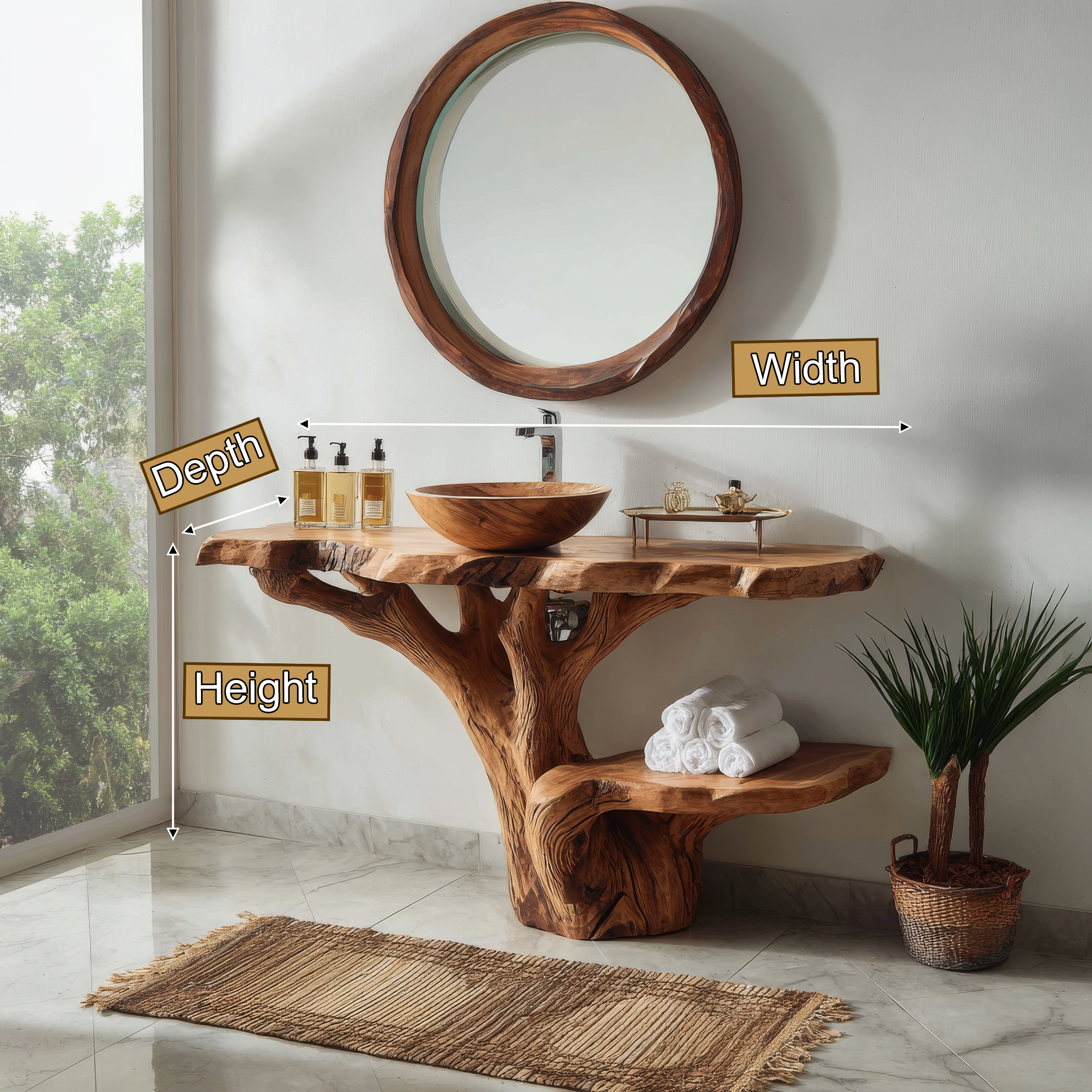
The surrounding palette should support the vanity’s material story. Warm whites, soft taupes, muted greens, charcoal accents, and natural stone tones all work beautifully with wood vanities. Lighter palettes allow the vanity to become a focal point without overwhelming the room, while darker walls can create dramatic contrast for lighter oak or natural ash finishes.
If the vanity itself is visually rich, surrounding finishes should often remain edited. This helps preserve clarity and sophistication. A luxury bathroom does not need every surface to compete for attention. Instead, the most unforgettable rooms usually rely on a hierarchy of focus, with the bathroom vanity serving as the anchor and other materials supporting that focal role.
Metal finishes, textiles, and accessories should all reinforce this palette. Cohesion is one of the hallmarks of elevated design.
Custom and semi-custom vanity features are often what separate a nice bathroom from an unforgettable one. Tailored dimensions, personalized drawer layouts, integrated lighting, specialty stone fabrication, and custom stain matching all contribute to a result that feels specific to the home and the user.
A solid wood bathroom vanity with sink can be customized to fit unusual room dimensions, maximize narrow alcoves, or align perfectly with existing architectural features. This level of precision creates a finished look that reads as expensive because nothing feels compromised. Even small custom decisions, such as a waterfall countertop edge, built-in makeup station, or hidden storage for electrical tools, can significantly improve both beauty and function.
Customization also enables better stylistic alignment. Whether you want a japandi bathroom vanity with near-invisible hardware or a double sink wood bathroom vanity with furniture-inspired detailing, tailored choices help create a bathroom that feels personal rather than generic.
True luxury is not fragile. A bathroom vanity should be able to handle moisture, cleaning, and constant use while maintaining its appearance. Protective finishes, quality sealants, and material compatibility are all essential. Natural wood should be properly finished for bathroom conditions, stone should be selected with maintenance expectations in mind, and hardware should resist corrosion.
This is one reason premium craftsmanship matters so much. An expertly built vanity retains its alignment, protects against premature wear, and continues to feel solid year after year. Homeowners often focus first on appearance, but long-term satisfaction depends just as much on resilience.
When selecting a luxury bathroom vanity, ask not only how it looks, but how it is made, how it is protected, and how it will age. The most beautiful answer is often the one that still looks exceptional years later.
If the goal is a bathroom that leaves a lasting impression, focus on a few signature decisions and execute them well. Start with a vanity material that brings depth, such as oak, walnut, or another richly finished wood. Choose a silhouette that aligns with the room’s architecture, whether that means floating minimalism, sculptural japandi restraint, or a freestanding furniture aesthetic. Pair it with a premium countertop, refined sink integration, and lighting that flatters both the user and the materials.
Then invest in the details that people feel, even if they do not immediately name them: smooth drawer action, thoughtful storage, perfect mirror scale, consistent finish coordination, and tactile surfaces that reward close attention. These are the elements that turn a bathroom vanity into a true luxury feature.
An unforgettable bathroom is not created by excess. It is created by coherence, craftsmanship, and the confidence to let quality speak. Whether you prefer an oak bathroom vanity with timeless warmth, a rustic wood bathroom vanity with character, or a sleek modern wood bathroom vanity with clean lines, the right details can transform the room into a space that feels elevated every single day.
In the end, a luxury bathroom vanity is more than a purchase. It is a design decision that shapes the atmosphere, comfort, and value of the entire room. Choose well, and it becomes the detail that makes the whole space unforgettable.