Physical Address
304 North Cardinal St.
Dorchester Center, MA 02124
Physical Address
304 North Cardinal St.
Dorchester Center, MA 02124

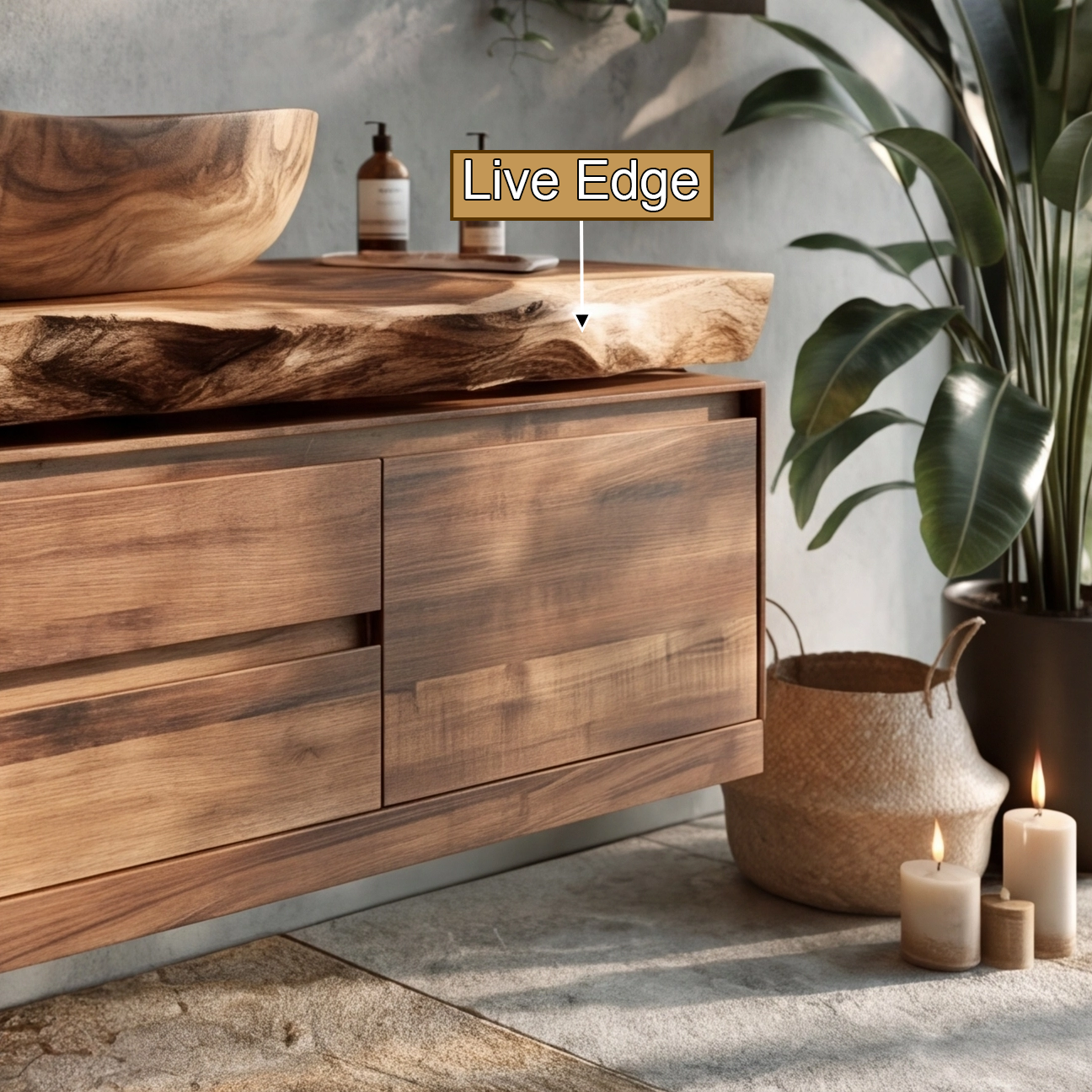
Discover how luxury bathroom vanity finishes in wood, stone, and modern textures create a refined, design-forward bathroom.
A luxury bathroom vanity does far more than provide storage and counter space. It acts as a visual anchor, sets the tone for the room, and communicates the overall design language of the home. In high-end interiors, finishes matter just as much as form. The right material, stain, texture, and hardware selection can transform a functional vanity into a signature statement piece.
Today’s most compelling bathroom spaces are defined by nuanced finish palettes rather than excess. Designers are leaning into warm woods, tactile surfaces, soft matte textures, and natural detailing that create a sense of calm sophistication. Whether your aesthetic is contemporary, organic, minimalist, or layered and architectural, the finish of a bathroom vanity is central to achieving a cohesive result.
Luxury is often expressed through restraint, quality, and intentionality. A premium bathroom vanity finish contributes to all three. It determines how light interacts with the cabinetry, how the piece complements stone and tile, and how the room feels on a sensory level. Smooth lacquer can feel sleek and urban, while richly grained timber introduces warmth and natural elegance.
In practical terms, finishes also affect longevity and maintenance. Bathrooms demand materials that perform well in humid conditions without sacrificing visual appeal. That is why designers carefully balance aesthetic goals with durability, especially when selecting wood species, protective coatings, and textured surfaces.
A walnut bathroom vanity remains one of the most coveted options in luxury residential design. Walnut is celebrated for its deep brown tones, graceful grain movement, and unmistakable richness. It immediately brings warmth to modern bathrooms, softening stone-heavy environments and adding visual depth without overwhelming the space.
Walnut works beautifully in a range of settings. In minimalist interiors, it introduces an organic counterpoint to crisp plaster walls, frameless glass, and oversized porcelain tile. In more layered schemes, it pairs effortlessly with brushed brass, honed marble, bronze mirrors, and soft ambient lighting. A floating walnut vanity in particular offers a streamlined silhouette while preserving the inherent elegance of the wood.
The appeal of walnut also lies in its versatility. It can be finished in a matte oil for a natural, tactile look or sealed with a refined low-sheen topcoat for a more polished presentation. For homeowners seeking a timeless bathroom vanity finish that feels both modern and enduring, walnut is a standout choice.
The natural wood bathroom vanity has become a defining feature of elevated contemporary bathrooms. Rather than masking the material with heavy stains or glossy coatings, this approach highlights the authentic tone and grain of the wood. The result is understated luxury rooted in simplicity and craftsmanship.
Natural wood vanities pair especially well with neutral color palettes, handmade tile, limestone surfaces, and soft architectural lighting. Their warmth creates balance in bathrooms dominated by white, gray, or black finishes. They also reinforce a wellness-driven atmosphere, making the room feel more serene and grounded.
From white oak to ash, teak, and walnut, natural wood can be interpreted in many ways. Some vanities showcase linear grain patterns and pale tones for a Scandinavian influence, while others emphasize knots, texture, and variation for a more organic aesthetic. In either case, the natural finish allows the material itself to become the design statement.

The japandi bathroom vanity captures one of the most influential design movements in luxury interiors. Combining Japanese restraint with Scandinavian warmth, Japandi design favors clean profiles, muted palettes, and highly intentional material choices. In the bathroom, the vanity plays a major role in communicating this balance.
Japandi-inspired finishes often feature pale or medium-toned woods with matte surfaces that feel quiet and refined. The emphasis is on subtle grain, gentle texture, and visual lightness. A floating wood vanity with integrated pulls, softened edges, and minimal ornamentation fits perfectly within this design language.
To complete the look, designers often pair a Japandi vanity with warm white walls, fluted details, natural stone basins, and black or aged bronze fixtures used sparingly. The finish should never appear overly glossy or artificial. Instead, it should feel effortless, tactile, and deeply harmonious with the architecture.
A teak bathroom vanity offers a distinctive combination of beauty and resilience. Known for its natural oils and durability, teak has long been valued in environments where moisture resistance matters. In luxury bathrooms, it introduces a relaxed, spa-like sensibility while maintaining a sophisticated edge.
Teak typically features golden to medium-brown hues that age gracefully over time. Its grain is refined yet expressive, making it ideal for vanities that seek to balance clean lines with natural character. A teak vanity can feel especially compelling in bathrooms inspired by resort design, tropical modernism, or soft contemporary minimalism.
Designers often pair teak with textured plaster, travertine, zellige tile, or light quartz surfaces to create a calming environment. For clients who want a bathroom vanity that feels both luxurious and grounded, teak offers exceptional visual warmth and practical performance.
The organic modern bathroom vanity sits at the intersection of clean contemporary design and natural material expression. This style avoids starkness in favor of warmth, subtle texture, and sculptural restraint. Finishes are chosen not to dominate the room but to create a cohesive dialogue between architecture and nature.
In an organic modern bathroom, vanity finishes often include wire-brushed oak, matte walnut, cerused wood, or softly limed surfaces that highlight grain while muting excessive contrast. These finishes pair well with rounded mirrors, stone vessel sinks, unlacquered brass, and earthy neutrals. The effect is elevated but approachable.
What distinguishes this approach is its emphasis on authenticity. The wood should look and feel real, the textures should invite touch, and the overall composition should evoke calm. A luxury bathroom vanity in this style becomes a grounding element that brings softness and dimension to a modern interior.
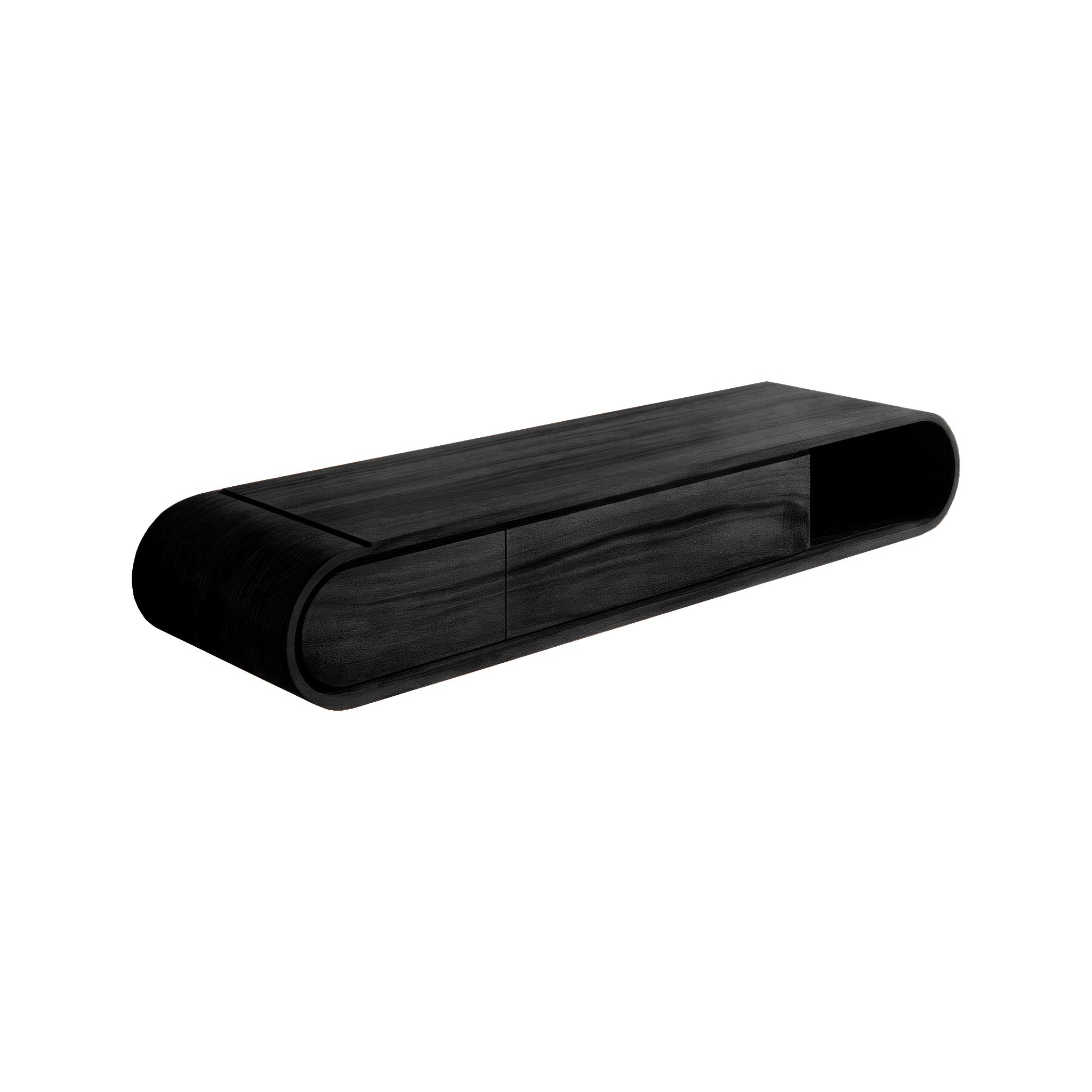
Surface sheen has a major impact on how a bathroom vanity is perceived. In luxury settings, matte and satin finishes generally communicate more refinement than high gloss. They absorb light gently, reveal the richness of natural materials, and feel more architectural in presentation.
Matte finishes are ideal for minimalist, Japandi, and organic modern spaces. They create a soft, understated effect and allow wood grain to take center stage. Satin finishes, on the other hand, offer a slight luster that can make darker woods such as walnut appear even more dimensional. They are often preferred when a room needs a touch of polish without becoming flashy.
Textured finishes such as wire-brushing or hand-rubbed oils add another layer of character. These techniques enhance tactile quality and bring artisanal value to the vanity. In a luxury bathroom, subtle texture can be far more impactful than overt ornamentation.
A floating wood bathroom vanity has become a hallmark of upscale bathroom design. By lifting the cabinetry off the floor, this style creates a sense of openness, modernity, and visual lightness. It also allows the finish to read more like furniture than built-in casework.
Because floating vanities are so visible from multiple angles, finish selection becomes even more important. The underside, side panels, and drawer fronts all contribute to the overall effect. A continuous wood grain wrap can feel exceptionally high-end, while integrated lighting beneath the vanity can accentuate tone and texture.
Natural oak, walnut, and teak are especially effective in floating designs. Their warmth offsets the minimal profile and keeps the room from feeling too clinical. For those seeking a refined, contemporary bathroom vanity, floating wood construction paired with a premium finish is an elegant solution.
The finish of a luxury bathroom vanity never exists in isolation. It interacts constantly with hardware, sink materials, countertops, mirrors, and wall treatments. Successful design depends on understanding these relationships.
Warm wood vanities pair beautifully with honed marble, creamy quartzite, travertine, and solid surface counters in soft neutral tones. Brushed brass hardware adds warmth and classic richness, while matte black introduces contrast and edge. Bronze can lend depth and a slightly more collected feel, particularly in organic modern or transitional spaces.
If the vanity finish is highly expressive, such as a richly grained walnut or teak, surrounding materials should support rather than compete. Conversely, if the cabinetry has a more subtle finish, designers may introduce drama through veined stone or sculptural lighting. The most luxurious bathrooms achieve balance through careful material choreography.

When specifying a high-end bathroom vanity, many homeowners weigh the benefits of custom craftsmanship against premium prefinished options. Custom vanities offer the greatest flexibility in wood species, stain tone, edge detailing, hardware integration, and protective finish. They also allow a vanity to respond precisely to architectural conditions and storage requirements.
However, some prefinished luxury vanities now offer exceptional quality, especially in categories such as modern wood bathroom vanity design. These can be ideal for projects with tighter timelines while still delivering strong aesthetics and durable construction. The key is to evaluate veneer quality, finish consistency, joinery, and moisture resistance.
For truly design-led spaces, custom remains the preferred route. It allows the finish to be tailored to the exact mood of the room, whether that means a pale natural oak, a smoky walnut, or a hand-finished teak surface with subtle tonal variation.
Preserving a luxury bathroom vanity begins with choosing the right finish for the environment and following a thoughtful care routine. Wipe away standing water promptly, use gentle non-abrasive cleaners, and avoid harsh chemicals that can strip oils or cloud protective coatings. Proper ventilation is also essential in maintaining wood stability over time.
Natural oil finishes may require occasional refreshing to maintain their richness, while sealed matte and satin surfaces typically need only regular light cleaning. The benefit of investing in a quality finish is that it not only looks better from day one, but also ages more gracefully with appropriate care.
Many luxury homeowners appreciate finishes that develop a subtle patina, especially on natural woods. Rather than seeing minor variation as wear, they view it as part of the material’s evolving character. This perspective aligns with the broader shift toward authenticity and enduring design.
The best bathroom vanity finish depends on the atmosphere you want to create. If your goal is dramatic warmth and timeless richness, a walnut bathroom vanity is hard to surpass. If you prefer softness and simplicity, a natural wood bathroom vanity in oak or ash may be the ideal fit. For serene minimalist interiors, a japandi bathroom vanity offers calm precision, while a teak bathroom vanity brings spa-inspired warmth and durability. If your aesthetic blends contemporary lines with tactile naturalism, an organic modern bathroom vanity can deliver that perfect balance.
Ultimately, luxury is not about trend alone. It is about selecting finishes that resonate with the architecture, support daily use, and express a clear point of view. A well-designed vanity speaks quietly but powerfully. Through material, texture, and tone, it communicates refinement in a language every great interior understands.
In today’s most compelling bathrooms, the vanity is no longer just a necessity. It is a design centerpiece. And when finished with care, intention, and premium materials, it becomes one of the most memorable elements in the entire home.