Physical Address
304 North Cardinal St.
Dorchester Center, MA 02124
Physical Address
304 North Cardinal St.
Dorchester Center, MA 02124

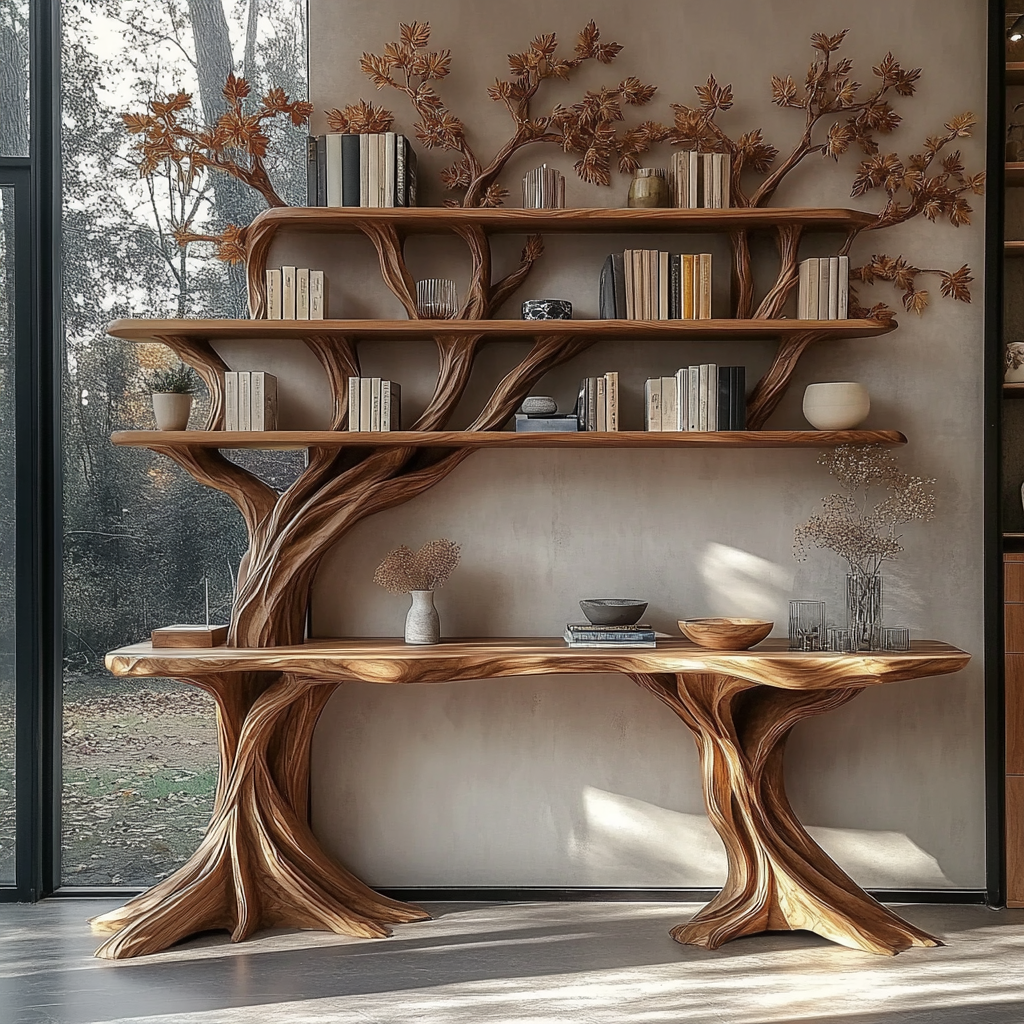
A practical, authoritative guide evaluating whether a tree shaped bookshelf is a wise purchase—covers design, durability, cost, resale, and buying tips.
Unique furniture pieces like a tree shaped bookshelf promise to transform a room from ordinary to memorable. But are they a smart investment? This long-form guide walks through aesthetics, function, cost, durability, resale potential, and practical buying tips to help you decide whether a tree bookshelf is worth the money for your space and lifestyle.

A tree shaped bookshelf is a shelving unit designed to mimic the silhouette or branching structure of a tree. Designs range from minimal, abstract outlines to complex sculptural pieces with multiple shelves that fan out like limbs. They can be freestanding, wall-mounted, or integrated into a built-in unit.
Before buying, consider how you’ll use the unit. A tree bookshelf often sacrifices uniform shelf depth and height for visual interest. That can be perfect for:
However, if you need standardized long-span storage for many large hardcover books or files, a traditional rectangular bookshelf may be more efficient.
Material choice significantly impacts cost and lifespan. Common options include:

Pay attention to joinery and wall-anchoring recommendations. Because tree bookshelves can be top-heavy or asymmetrical, proper mounting or a weighted base improves safety and longevity.
Prices vary widely depending on size, material, brand, and whether the piece is mass-produced or custom-made:
Factor in additional costs for professional installation, wall anchors, or finish upgrades if you want the piece to last and be safe around children and pets.
Furniture rarely offers direct monetary ROI like home renovations, but a tree shaped bookshelf can indirectly add value:

Maintenance depends on material. Solid wood benefits from occasional polishing or refinishing; veneers need careful cleaning to avoid delamination; metal may require rust prevention in humid environments. Regular dusting and avoiding excessive weight on small branches extend the life of a tree bookshelf.
If you need purely pragmatic storage for a large book collection or archival materials, a conventional bookshelf may be a better financial and functional choice.
If a tree bookshelf seems too costly or impractical, consider:
Q: Are tree shaped bookshelves stable?
A: Stability depends on design and installation. Freestanding models with a wide base or low center of gravity are more stable; wall-anchoring is recommended for taller or asymmetrical units.
Q: Can I use a tree bookshelf for heavy books?
A: Some designs can support heavy books, but many are best for light to medium loads. Check weight limits and choose solid materials if you plan heavy use.
Q: Is a custom tree bookshelf worth it?
A: Custom pieces can be worth the higher price if you need a precise fit, high-quality materials, or a unique statement piece that complements your home.
A tree shaped bookshelf can be worth the investment if you value design impact, are willing to invest in durable materials, and plan to use the piece for display and mixed storage rather than purely utilitarian book organization. Consider your goals—style, storage needs, budget, and resale intentions—before you buy. With proper material choices and installation, a tree bookshelf can be both a functional storage solution and a lasting piece of furniture that enhances your home and may even boost its staged appeal.