Physical Address
304 North Cardinal St.
Dorchester Center, MA 02124
Physical Address
304 North Cardinal St.
Dorchester Center, MA 02124

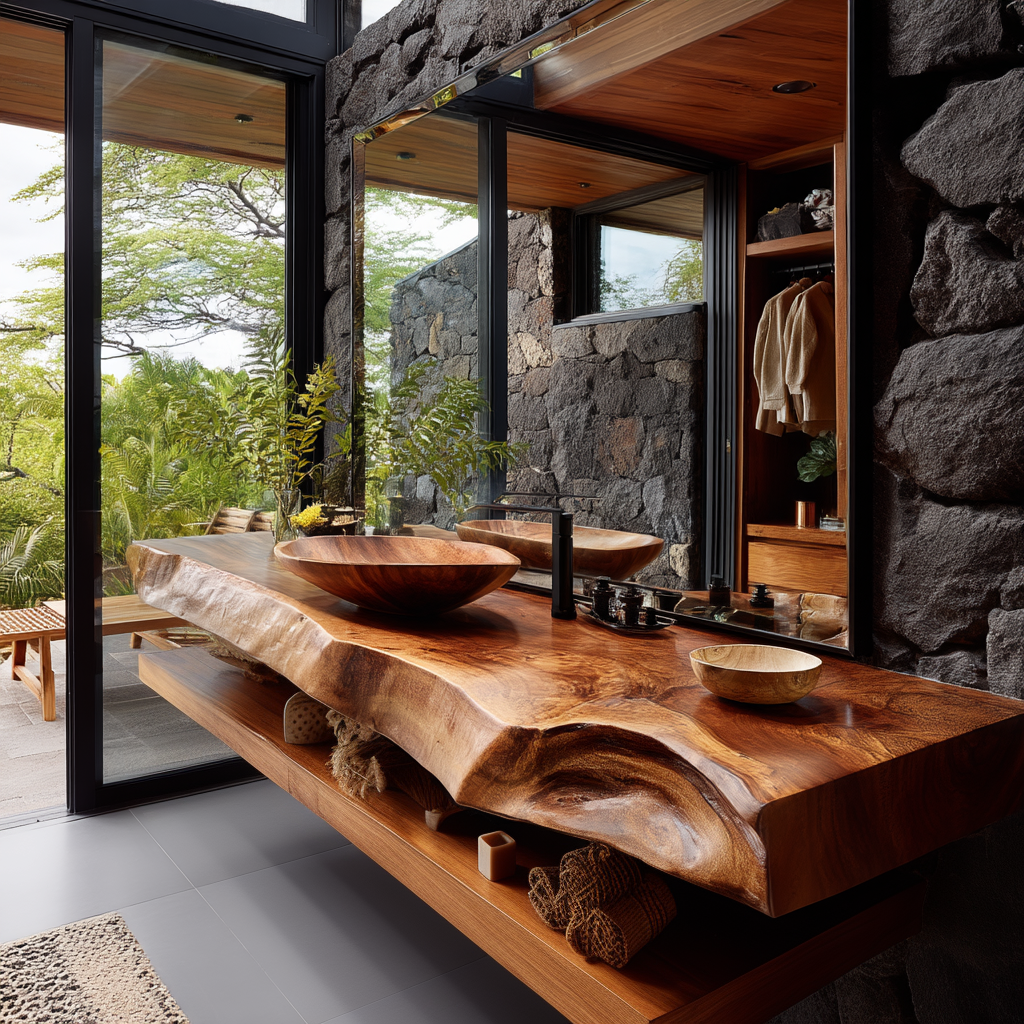
Discover custom bathroom vanity concepts, from rustic wood to Japandi and luxury designs, with practical tips for layout, storage, and materials.
A well-designed bathroom vanity does far more than hold a sink. It shapes the room’s style, improves storage, supports everyday routines, and often becomes the visual centerpiece of the entire bathroom. When homeowners want a space that feels intentional rather than generic, a custom bathroom vanity is one of the smartest upgrades available.
Unlike off-the-shelf options, a custom vanity can be tailored to your layout, storage needs, household habits, and preferred design language. Whether you love the warmth of a rustic wood bathroom vanity, the clean calm of a japandi bathroom vanity, or the elegance of a luxury bathroom vanity, customization allows you to create a piece that feels uniquely yours.
In this guide, we will cover the most important concepts for designing a personalized vanity, including size planning, sink configurations, wood choices, countertop pairings, storage strategies, and style directions that balance beauty with function.
Bathrooms are highly personal spaces. A vanity that works perfectly for one household may be frustrating for another. Customization solves common problems by adapting the design to how the room is actually used.
If your goal is to move beyond a standard builder-grade setup, a personalized bathroom vanity can transform the room into a space that feels curated and practical at the same time.
Before choosing colors or finishes, begin with the room’s dimensions and traffic flow. A great vanity should feel substantial without overwhelming the space.
For small bathrooms or powder rooms, a compact single sink wood bathroom vanity can offer warmth and character while preserving open floor area. In larger primary bathrooms, a double sink wood bathroom vanity often improves convenience for shared routines.
Key planning factors include:
Floating vanities can make a bathroom feel larger and more modern, while floor-mounted pieces often provide a stronger furniture look and more concealed storage. If you are designing around an unusual layout, custom sizing can help eliminate wasted inches and deliver a more balanced composition.
Sink configuration has a major impact on both appearance and usability. The right choice depends on the size of the room and how many people use it daily.
A single sink wood bathroom vanity is ideal for smaller bathrooms, guest baths, and minimalist layouts. It typically offers more uninterrupted counter space and can create a cleaner, less crowded look. It is also a great option when your priority is maximizing drawer storage.
A double sink wood bathroom vanity works best in wider bathrooms where shared use is common. It creates dedicated personal zones and reduces morning congestion. Double vanities can also make a room feel more symmetrical and luxurious when paired with twin mirrors and sconces.
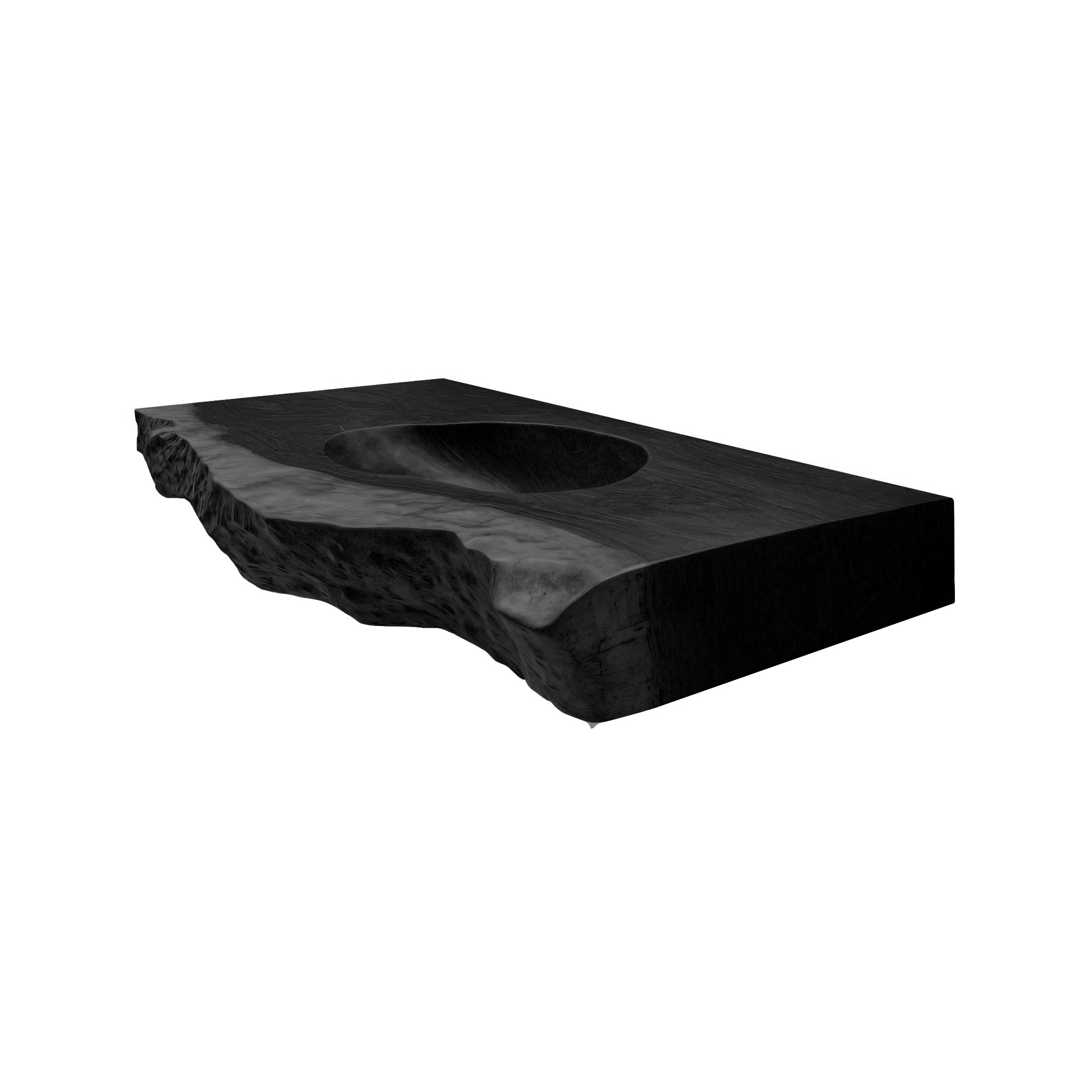
In either case, custom design lets you fine-tune the spacing, sink style, and storage arrangement so the vanity supports your real habits rather than forcing compromises.
When personalization and craftsmanship matter, a real wood bathroom vanity stands out. Real wood offers natural depth, grain variation, and visual warmth that engineered materials often struggle to replicate.
A solid wood bathroom vanity with sink can feel especially substantial and timeless. It works beautifully in traditional, transitional, modern organic, farmhouse, and spa-inspired spaces. Depending on the wood species and finish, the final look can range from light and airy to rich and dramatic.
Popular wood choices include:
Because bathrooms are high-moisture environments, proper sealing and finishing are essential. A quality custom builder will account for ventilation, joinery, and protective coatings to help preserve the vanity’s beauty over time.
A rustic wood bathroom vanity brings warmth, texture, and authenticity into the bathroom. This style often emphasizes natural imperfections, visible grain, handcrafted details, and earthy finishes that make the room feel grounded and inviting.
Popular rustic vanity concepts include:
To keep rustic design from feeling heavy, consider balancing it with clean white walls, simple mirrors, and streamlined fixtures. This creates contrast while preserving the organic beauty of the wood. A rustic vanity can also blend surprisingly well with modern lighting and polished stone counters for a more updated interpretation.
The japandi bathroom vanity trend continues to gain attention for good reason. Japandi design combines Japanese minimalism with Scandinavian warmth, resulting in spaces that feel calm, intentional, and beautifully restrained.
A Japandi-inspired bathroom vanity typically features:
This style works especially well in bathrooms meant to feel restorative and spa-like. A floating oak vanity with integrated drawers, a pale stone top, and a simple rectangular sink can capture the Japandi mood without feeling overly styled. The key is to focus on proportion, craftsmanship, and a limited materials palette.
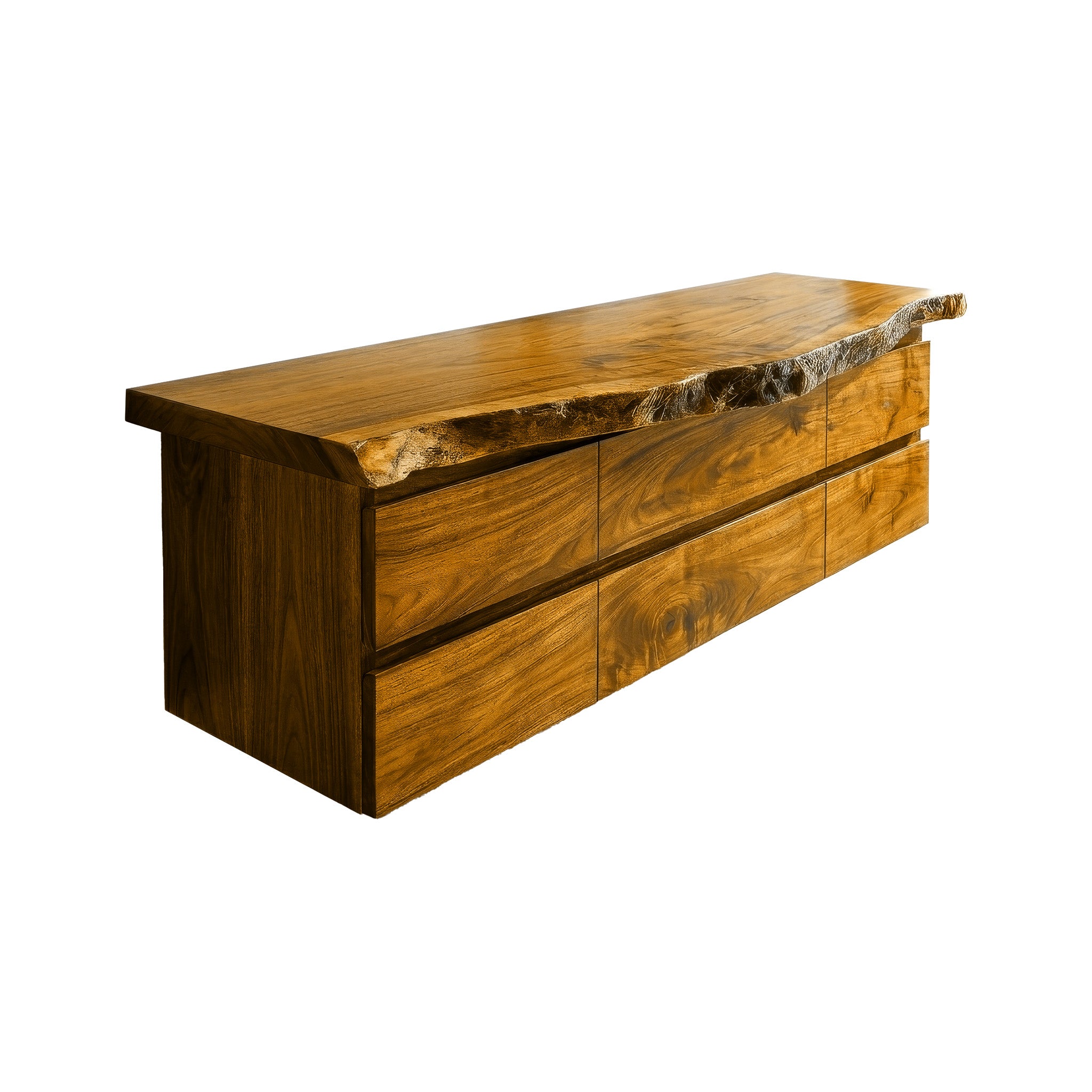
If you want personalization within a minimalist framework, Japandi offers an excellent balance of serenity and function.
A luxury bathroom vanity is not only about appearance. True luxury comes from a combination of premium materials, custom detailing, ergonomic design, and an elevated daily experience.
High-end features may include:
Walnut, rift-cut oak, and premium painted finishes are common choices for a luxury aesthetic. Pairing these materials with statement mirrors, elegant sconces, and refined plumbing fixtures creates a tailored result that feels cohesive and sophisticated.
If your bathroom is part of a larger primary suite renovation, a custom luxury vanity can help tie the whole design together while increasing the sense of comfort and exclusivity.
One of the biggest benefits of a custom vanity is the opportunity to design storage around your lifestyle. Instead of accepting generic cabinet space, you can create zones that make daily routines easier.
Smart vanity storage solutions include:
For shared bathrooms, personalized zones can help reduce clutter and confusion. Each user can have dedicated drawers, sink space, and countertop storage. In small bathrooms, custom drawer design often outperforms traditional cabinet shelving because it makes every inch more accessible.
The countertop and sink combination strongly influences both the look and maintenance level of your bathroom vanity. Since this surface sees regular water exposure, product splashes, and daily use, durability matters.
Popular countertop choices include:
For sinks, undermount styles offer a clean, practical surface that is easy to wipe down. Vessel sinks make more of a statement and can work well with rustic or sculptural vanity designs. Integrated sink tops are ideal for minimal and contemporary spaces because they reduce visual seams and simplify cleaning.
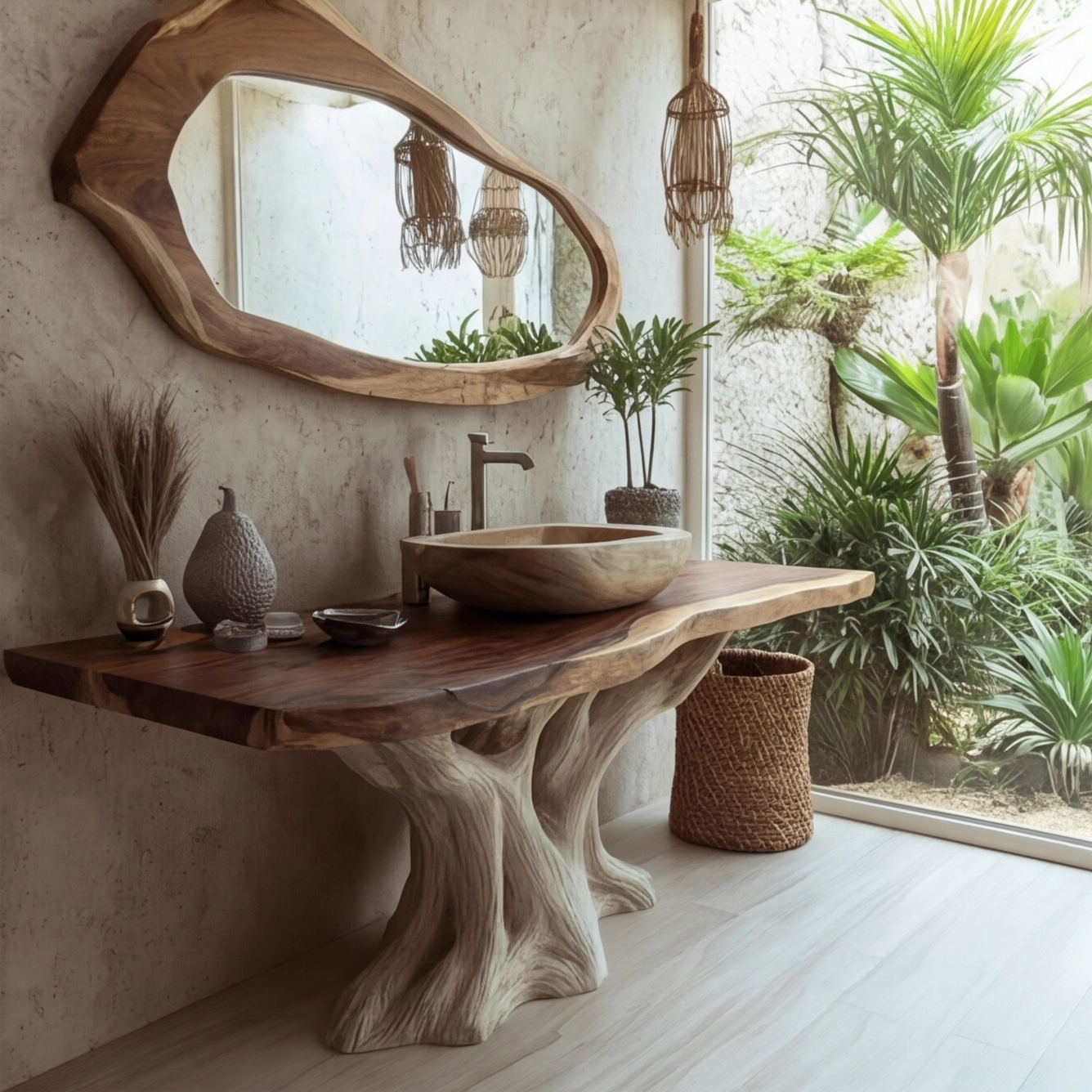
A solid wood bathroom vanity with sink can look especially striking when paired with a crisp white quartz top or a softly veined stone slab. The contrast between natural wood and refined stone creates a timeless designer effect.
Small details often make the biggest difference in a custom vanity. Hardware, edge profiles, drawer fronts, and finish tones all contribute to the final personality of the piece.
Consider these design variables:
For a more cohesive bathroom design, match or coordinate hardware with faucets, light fixtures, and mirror frames. If your style leans modern organic, natural wood with subtle pulls may be ideal. If you prefer a more classic or upscale look, inset cabinetry with brass details can be a compelling choice.
The best custom vanity does not feel isolated from the rest of the room. It should connect with the bathroom’s architecture, tilework, and overall mood.
Here are a few style pairings to consider:
A real wood bathroom vanity is particularly versatile because it can be adapted to many design directions. The same material can feel rustic, refined, minimalist, or luxurious depending on the form and finish.
Before finalizing your design, make sure you have addressed the practical side of the project. Even the most beautiful vanity needs to perform well under daily use.
It is also wise to request finish samples and review detailed shop drawings before production begins. This helps ensure the final custom bathroom vanity matches your expectations in scale, color, and functionality.
A personalized bathroom vanity can completely change how your bathroom looks and feels. By tailoring the size, sink layout, wood type, storage features, and finishing details, you can create a design that supports your lifestyle while expressing your style.
Whether you are drawn to a rustic wood bathroom vanity, a calming japandi bathroom vanity, or a statement-making luxury bathroom vanity, customization gives you the freedom to build something far more meaningful than a standard cabinet and sink. And when crafted in quality materials such as a solid wood bathroom vanity with sink, the result can bring lasting beauty, warmth, and value to your home.
If you are planning a bathroom remodel, start with the vanity. It is one of the most powerful ways to make the space truly personal.
