Physical Address
304 North Cardinal St.
Dorchester Center, MA 02124
Physical Address
304 North Cardinal St.
Dorchester Center, MA 02124

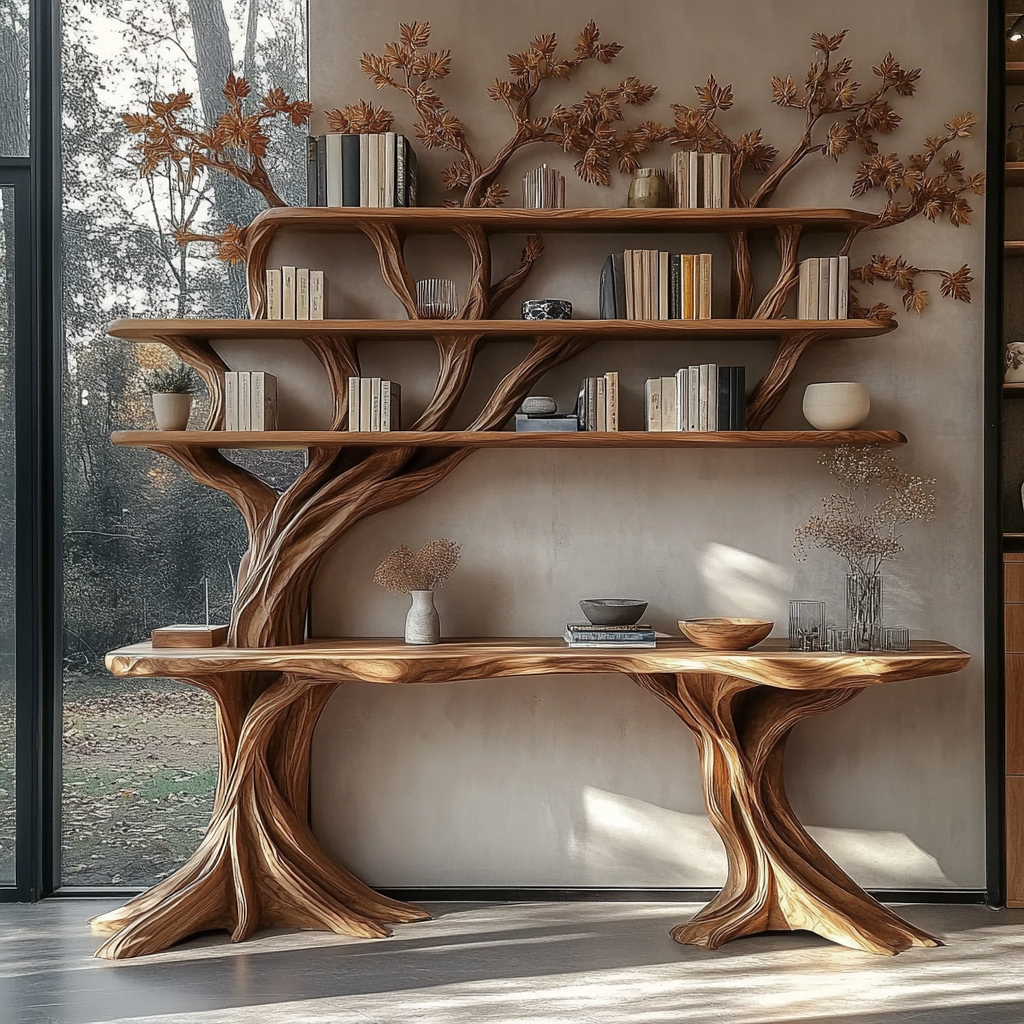
Uncover durable woods that elevate your wooden tree bookshelf, balancing strength with beauty for every room.
Choosing the right wood for a wooden tree bookshelf ensures it remains both a sculptural focal point and a utilitarian storage fixture. This guide explores the most durable wood types, how they frame different styles—from a small tree bookshelf in a studio apartment to a towering tall tree bookshelf—and why each option suits a specific room or aesthetic.

A tree bookshelf’s silhouette is airy, so its branch-like shelves rely on the inherent strength of the material. Hardwoods maintain structural integrity even with heavy books, while softer woods reduce weight but might need reinforcement. The best choices balance density, grain stability, and environmental sustainability to keep your wooden tree bookshelf standing tall for years.
White oak blends toughness with classic grain, making it ideal for a tree bookshelf for living room where looks and durability matter. Its high density resists dents and warping, so your branches stay straight. With natural resistance to moisture, it also suits a tree bookshelf for bedroom that may encounter humidity from windows or thermal variations.
Walnut’s rich, dark tones elevate a decorative tree bookshelf and hide minor scratches. It supports a tall tree bookshelf profile, as the dense wood handles multi-tiered branching without sagging. While pricier, walnut adds value and oozes contemporary elegance.

Maple’s pale, consistent grain complements a modern tree bookshelf design. It is exceptionally hard, so even a narrow silhouette—like a narrow tree bookshelf tucked into a corridor—maintains stability. Maple also smooths nicely for paint or stain if you envision a bold, colorful tree form.
Birch is durable yet slightly lighter, which is perfect for a small tree bookshelf that might need repositioning. It offers a clean, warm surface that can be left natural or finished. While not as majestic as oak, birch remains robust against daily use.
Mahogany is prized for both strength and timeless warmth, lending any wooden tree bookshelf a luxurious feel. It resists warping and handles heavy displays, so even a tree form supporting large art books or plants stands firm.

When you craft a tree bookshelf for living room, emphasize woods that match existing furniture—walnut or mahogany create dramatic contrast, while white oak and maple blend with neutral palettes. For a tree bookshelf for bedroom, lighter woods like birch keep the space airy and tranquil.
A narrow tree bookshelf benefits from woods that accept deep finishes without losing edge strength—maple and oak excel here. For a tall tree bookshelf, select woods with high bending resistance so each tier maintains level shelves without bowing.
Even the best wood needs mindful construction. Use dovetail or mortise-and-tenon joints to distribute load along the tree’s trunk and branches. Reinforce with hidden metal brackets if your decorative tree bookshelf doubles as storage for heavy volumes. Seal the wood with a durable finish to prevent moisture infiltration and simplify cleaning.
Dust regularly and avoid overloading shelves. Periodically check for loose joints, tightening screws or adding discreet dowels as needed. For living rooms with varying light, choose UV-resistant finishes so the wooden tree bookshelf color remains vibrant.
When crafting or purchasing a wooden tree bookshelf, prioritize a durable wood like oak, walnut, maple, birch, or mahogany. These selections support diverse styles—from a sleek modern tree bookshelf to a bold tree bookshelf for living room. Pair the right timber with solid joinery and consistent care to enjoy a striking, reliable piece for years to come.
