Unique Tree Shaped Bookshelf Designs Youll Absolutely Love
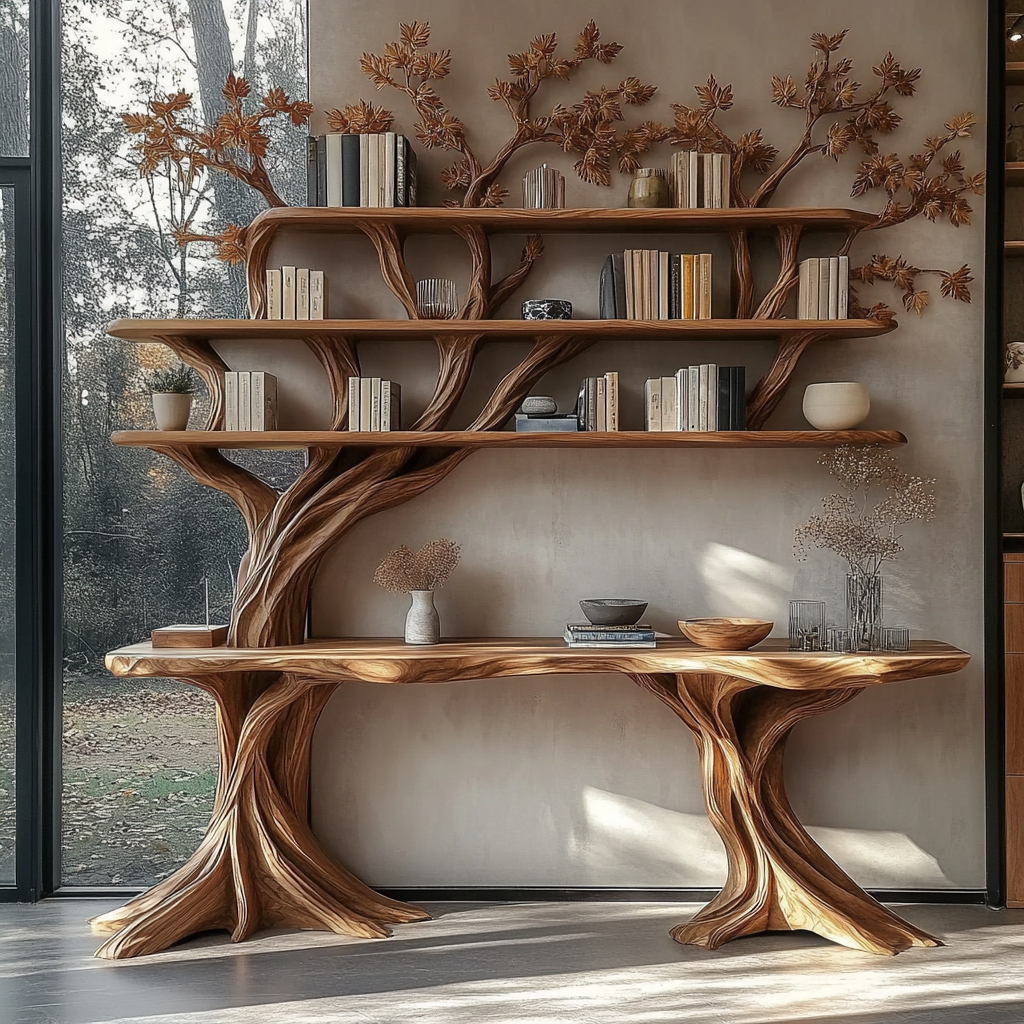
A tree shaped bookshelf is more than a place to store books. It transforms vertical space into a sculptural focal point, blends form with function, and adds personality to any room. Whether you want a whimsical nursery centerpiece, a minimalist wall-mounted display, or a dramatic freestanding unit for your living room, tree bookshelf designs offer limitless possibilities. This long-form guide covers styles, materials, DIY instructions, placement tips, safety, and maintenance so you can choose or build the perfect tree shaped bookshelf for your space.

Why Choose a Tree Shaped Bookshelf?
- Visual impact: The organic silhouette of a tree bookshelf creates a striking focal point that draws the eye and lifts a room’s aesthetic.
- Space-efficient vertical storage: Branch-like shelves use wall height effectively, keeping floors clear while maximizing storage.
- Versatile styling: Use the shelves for books, plants, art, and collectibles to create a curated display.
- Kid-friendly learning: A tree shaped bookshelf can encourage reading in children with playful shapes and accessible lower shelves.
Popular Tree Shaped Bookshelf Designs
Design choices range from sculptural and artistic to simple and practical. Here are popular categories to consider.
- Wall-mounted branch shelves: Slim, staggered shelves attached to a central trunk silhouette. Ideal for tight spaces and minimalist homes.
- Freestanding 3D tree shelves: Full, vertical units resembling a tree with multiple branches and tiers. They function like room sculptures and storage combined.
- Corner tree bookshelf: Designed to tuck into a corner, these maximize unused space and create a cozy nook feel.
- Modular tree systems: Interlocking or stackable pieces that let you expand or reconfigure the tree over time.
- Kids tree bookshelf: Low shelves, bright finishes, and playful silhouettes tailored to child-safe access and storage.
- Industrial metal-tree hybrids: Metal frames with wooden shelves for a modern, durable aesthetic.
Materials and Finishes
Material choice affects durability, look, weight, and price. Consider these options:
- Solid hardwood: Oak, walnut, maple, and ash provide durability and a warm, natural finish. They can be stained or left natural.
- Plywood: Economical and stable, high-quality plywood with veneered faces looks premium when finished properly.
- MDF: Smooth and paint-friendly, MDF is cost-effective for painted tree bookshelf designs, though it weighs more and is less water-resistant.
- Metal frames: Steel or iron trunks and supports add modern contrast and strength for larger loads.
- Mixed materials: Combine metal and wood for industrial appeal or glass shelves for a delicate, airy effect.
Sizing, Load Capacity, and Practical Considerations
Measure the wall or corner before selecting a tree shaped bookshelf. Keep these guidelines in mind:

- Height: Common heights range from 60 to 90 inches for freestanding trees. Wall-mounted units vary—confirm stud placement and maximum height for safe access.
- Shelf depth: 8 to 12 inches works for most paperback and hardcover books. Deep decorative shelves can be 14 inches or more but may require stronger supports.
- Load-bearing: Typical wooden shelves hold 15 to 40 pounds per linear foot based on thickness and supports. Metal or reinforced shelves carry more—ask manufacturers for specs.
- Anchoring: All tall or wall-mounted units should be anchored to studs or with proper wall anchors to prevent tipping.
Placement and Styling Tips
How you place and style your tree bookshelf will influence its impact:
- Living room: Use a large freestanding tree bookshelf as a room divider or accent wall. Balance books with decorative objects and plants.
- Home office: A slim wall-mounted tree keeps reference books within reach while maintaining floor space.
- Nursery or kids room: Place the tree at child height. Add baskets for toys and use rounded edges for safety.
- Entryway: A compact tree shelf can hold keys, mail, and a few favorite books while greeting guests.
DIY: Simple Wall-Mounted Tree Shelf Plan
If you like hands-on projects, a DIY wall-mounted tree bookshelf is achievable with basic woodworking skills.
- Design and measure: Sketch the trunk and branches. Choose shelf lengths and spacing that fit your wall and books.
- Materials: 3/4 inch plywood or hardwood boards for shelves, a backboard or vertical trunk strip, wood screws, wall anchors or studs, sandpaper, wood finish or paint.
- Cut and assemble: Cut shelves and trunk pieces. Attach shelves to the trunk with screws and wood glue. Use a level to ensure straight lines.
- Finish and mount: Sand, stain or paint, and seal. Securely anchor the trunk to studs or use heavy-duty wall anchors at multiple points.
- Safety check: Load test with books gradually to ensure stability. Add anti-tip hardware if the unit is tall.
Maintenance and Care
- Dust shelves regularly to keep books and decorative items clean.
- Use coasters under plants and avoid overwatering to protect wood from moisture damage.
- Check anchors and fasteners periodically, especially after moving heavy items or seasonal shifts in humidity.
- Refinish or touch up scratches with matching stain or wood markers for hardwood shelves.
Budget and Where to Buy
Costs vary widely by material, size, and craftsmanship. Expect price ranges like:

- Budget mass-produced wall shelves: $50 to $200
- Mid-range solid wood or designer pieces: $300 to $900
- Custom handcrafted units: $1,000 and up
Shop options include furniture stores, boutique makers on Etsy, independent woodworkers, and custom carpentry shops. If you need a precise fit or unique shape, commissioning a maker offers the most control over design, finish, and materials.
Safety and Kid-Friendly Tips
- Anchor all tall or freestanding tree bookshelf units to the wall to prevent tipping.
- Round edges and smooth finishes reduce the risk of scrapes or splinters for children.
- Place heavier books on lower shelves and lighter decor higher up to lower the center of gravity.
- Avoid glass shelves in kids rooms; opt for sturdy wood or laminated surfaces.
Frequently Asked Questions
Is a tree shaped bookshelf practical for real books?
Yes. When designed with appropriate shelf depth and sturdy materials, tree shaped bookshelves function well for both display and storage. Pay attention to load capacity and anchor points.
Can I build a tree bookshelf myself?
Absolutely. Simple wall-mounted designs are beginner-friendly. Freestanding or complex 3D trees require more woodworking skills and tools, but modular DIY kits can simplify the process.
What materials are best for longevity?
Solid hardwood and metal-framed designs tend to last longest. High-quality plywood with a durable veneer is also a good choice for cost-conscious buyers.
How do I style a tree bookshelf without cluttering it?
Use the rule of threes: group items in odd numbers, mix vertical and horizontal stacks of books, and leave breathing room. Alternate books with decorative objects to create rhythm.
Are tree bookshelves safe for small children?
They can be, if you choose low-height designs, round the edges, anchor units securely, and avoid heavy items on upper shelves.
Conclusion
A tree shaped bookshelf is an elegant way to combine art and storage. From sleek wall-mounted branches to bold freestanding trunks, designs exist to suit every home and budget. Consider materials, sizing, and anchoring before you buy or build, and use thoughtful styling to showcase books and objects. With the right design, your tree bookshelf will not only hold books but also tell a story and transform your space.
If youre ready to start, sketch your ideal silhouette, choose materials that match your decor, and decide whether to buy custom or DIY. The right tree shaped bookshelf will become a cherished centerpiece in your home for years to come.