Physical Address
304 North Cardinal St.
Dorchester Center, MA 02124
Physical Address
304 North Cardinal St.
Dorchester Center, MA 02124

A practical guide to choosing the right tree bookshelf height, style, and placement for better storage, balance, and room design.
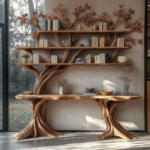
A tree bookshelf can be one of the most eye-catching and useful storage pieces in a home. Its branching silhouette adds personality, while its compact vertical design makes it ideal for books, decor, and small-room organization. But choosing the right height is what separates a beautiful, functional shelving unit from one that feels awkward, cramped, or unstable.

If you are shopping for a tree design bookshelf, planning a room layout, or comparing options for a modern tree bookshelf for apartment living, this guide will help you get the proportions right. We will cover ideal height ranges, room-by-room recommendations, safety considerations, styling advice, and practical buying tips so you can choose a shelf that looks balanced and works well every day.
Height affects far more than appearance. The size of a tree bookshelf influences storage capacity, reach, stability, wall balance, and visual flow. A shelf that is too short may look undersized and fail to use vertical space. A shelf that is too tall may overwhelm the room, block sightlines, or become difficult to access safely.
Getting the height right matters for several reasons:
Most tree bookshelves fall into a few common size categories. While exact dimensions vary by brand and design, these ranges are useful when narrowing your options.
This size works well beneath windows, beside sofas, or in children’s rooms. A shorter tree bookshelf for small spaces is easy to access and tends to feel less visually heavy. It is also a smart choice for renters who want flexibility and easy movement.
This is often the most versatile category. A medium-height tree design bookshelf offers strong storage without dominating the room. It fits well in bedrooms, living rooms, home offices, and studio apartments.
A taller shelf creates a dramatic, built-up look and makes better use of vertical space. This height can be ideal for rooms with standard or taller ceilings, especially if you want a modern tree bookshelf for apartment settings where floor space is limited but wall height is available.
These statement pieces are best reserved for larger rooms, high ceilings, or built-in style arrangements. Because a tree bookshelf has asymmetric branch-like shelving, extra-tall models should be evaluated carefully for stability and reach.
A simple way to choose bookshelf height is to compare it with the room’s ceiling. You generally want enough clearance above the shelf so the piece feels intentional rather than crowded.
As a rule, leave at least 12 to 18 inches of visual breathing room above the top of the shelf. In smaller rooms, this gap helps the space feel open. In larger rooms, it prevents the unit from appearing disconnected from the rest of the wall composition.
In a living room, a solid wood tree bookshelf or painted tree-style shelf often acts as both storage and decor. A medium to tall shelf usually works best here. If the shelf sits next to a sofa, console, or accent chair, make sure it does not dwarf nearby furniture. A height between 55 and 72 inches is often ideal for balance and visual presence.

Bedrooms benefit from tree bookshelves that feel light and unobtrusive. A medium-height model is typically the safest choice. If the shelf is near the bed, keep the top reachable and avoid overloading high branches with heavy hardcovers. A shelf around 50 to 65 inches tall is practical and easy to style.
A home office can support either medium or tall options depending on your storage needs. If you use the shelf for active work materials, keep frequently used books at eye level or lower. If the shelf is mainly decorative, a taller model can make the room feel more finished and design-forward.
For children’s spaces, lower heights are usually best. A shorter tree bookshelf for small spaces gives kids safe access to books and toys while reducing climbing and tipping risk. Rounded edges, wall anchoring, and strong construction are important here.
A modern tree bookshelf for apartment layouts should maximize vertical storage without making the room feel crowded. Medium-height and narrow-profile designs are often the sweet spot. In a studio, the right shelf can also help define zones between sleeping, working, and living areas.
Height should never be considered in isolation. A tall shelf with a very narrow base may require wall anchoring for safety. Likewise, a wide shelf on a short wall may feel oversized even if the height seems reasonable.
Check these proportions when buying a tree bookshelf:
The right tree bookshelf height also depends on what will go on it. Different storage goals call for different proportions.
If you mainly store standard paperbacks and small hardcovers, a medium-height unit is usually enough. These books fit easily on most branch shelves and do not demand very tall clearances.
Choose a design with wider branch spacing and stronger shelf supports. A solid wood tree bookshelf is often a better fit than lightweight particleboard if you plan to store heavier items.
If the shelf is partly decorative, height becomes more flexible. Tall options can work beautifully as sculptural accents when styled with a mix of books, plants, framed photos, and objects.
If your goal is to maximize storage in limited square footage, a taller tree bookshelf for small spaces may be the best answer, provided the shelf remains stable and accessible.

One of the most overlooked factors is reach. Even a beautiful shelf loses value if the top branches are impractical. For most adults, the comfortable reach zone is between knee height and eye level. Upper shelves can hold display items or books used less often.
To improve usability:
This is especially important with a tree design bookshelf, since branch layouts are often asymmetrical and visually dynamic. Good styling should still support easy access.
Before ordering a tree bookshelf, take a few simple measurements. This step prevents common mistakes and helps you visualize how the piece will fit.
A good trick is to use painter’s tape on the wall and floor to outline the shelf dimensions. This gives a realistic sense of whether the height feels right in the room.
In compact homes, the question is often not whether to use a tree shelf, but which size makes the most of limited space. The best tree bookshelf for small spaces is usually tall enough to provide real storage but narrow enough to preserve openness.
Look for these traits:
In small rooms, vertical storage works best when the design remains visually light. Many homeowners prefer a modern tree bookshelf for apartment use because the branching structure looks less heavy than a traditional rectangular bookcase.
Material affects both appearance and performance. Height recommendations can also shift based on construction quality.
This is a common budget-friendly option. It can work well for light to moderate use, but taller units should be evaluated closely for rigidity. If you choose a taller engineered model, wall anchoring is highly recommended.
This style often suits contemporary interiors. It can provide excellent stability with a slim profile, making it a strong option for a modern tree bookshelf for apartment settings.

A solid wood tree bookshelf is often the most durable and premium choice. It tends to support more weight, age better, and offer a richer finish. For taller shelves intended to hold many books, solid wood is often worth the investment.
The best height also depends on the visual style you want to create. Tree bookshelves are available in minimalist, rustic, Scandinavian, industrial, and playful forms.
If you are looking for unique tree bookshelf ideas, consider pairing the shelf with accent lighting, a textured wall, or clustered decor objects that emphasize the branch-like form.
Even the right height can feel wrong if placement is poor. Position your tree bookshelf where its shape can be appreciated and where it supports the room’s traffic flow.
Good placement options include:
Avoid placing it where doors swing into it, where direct moisture may damage it, or where it blocks natural light. In apartments, a tree bookshelf for small spaces often works best against a wall that would otherwise remain underused.
Many buyers focus on appearance alone and overlook function. Here are the most common errors:
A well-chosen tree design bookshelf should feel secure, balanced, and easy to use.
If you want inspiration beyond basic sizing, these unique tree bookshelf ideas can help you match height and style to your space:
For most homes, the ideal tree bookshelf height falls between 55 and 70 inches. This range balances storage, style, accessibility, and safety. It works especially well for living rooms, bedrooms, offices, and apartment layouts. If your room is small, stay on the slimmer side and prioritize vertical efficiency. If you need more capacity and have the ceiling height to support it, a taller model can be a smart upgrade.
Ultimately, the best choice depends on your wall size, ceiling height, storage goals, and design style. A tree bookshelf should do more than hold books. It should support the room, fit the scale of your home, and make everyday organization easier. When height is chosen thoughtfully, this distinctive shelf style can become one of the most practical and attractive pieces in your space.
Choosing the right tree bookshelf height is about proportion, purpose, and placement. Whether you want a tree bookshelf for small spaces, a modern tree bookshelf for apartment living, or a premium solid wood tree bookshelf for a larger room, the right dimensions will improve both form and function. Measure carefully, think about what you plan to store, and select a height that keeps the shelf attractive, accessible, and secure. With the right fit, a tree-style bookshelf can transform an empty wall into a smart and memorable design feature.