Physical Address
304 North Cardinal St.
Dorchester Center, MA 02124
Physical Address
304 North Cardinal St.
Dorchester Center, MA 02124

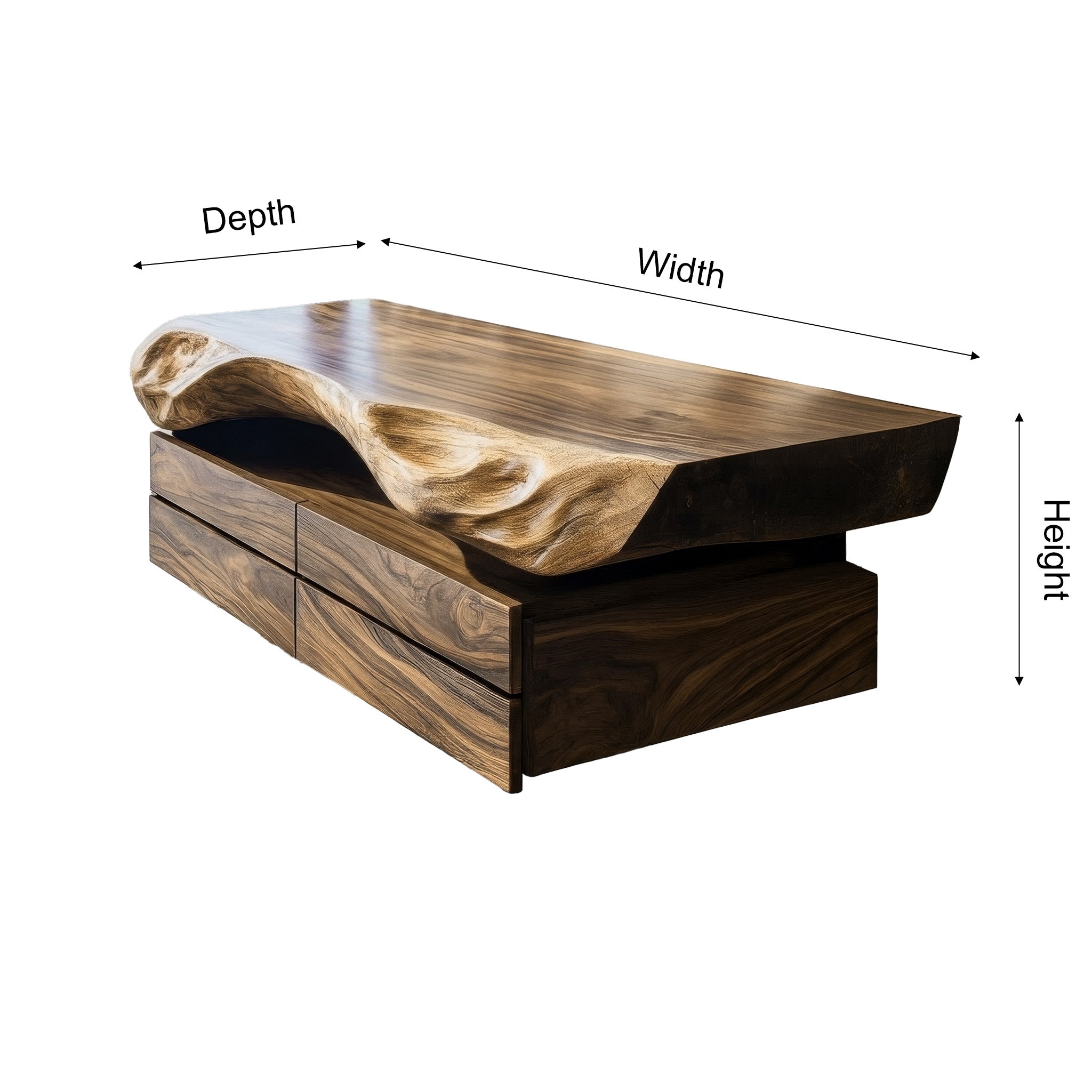
Smart bathroom vanity ideas can visually expand a small bathroom while adding storage, warmth, and a refined modern look.
A well-chosen bathroom vanity can completely change how a small bathroom looks and feels. In tight spaces, every design decision matters. The right vanity does more than hold a sink and store toiletries; it can create visual openness, improve movement, and make the room feel calmer and more functional.
If your goal is to make a compact bathroom feel larger, brighter, and less crowded, the vanity should be one of your first priorities. Scale, shape, storage style, color, and installation method all influence how open the room feels. From a floating wood bathroom vanity to a slim modern wood bathroom vanity, there are practical ways to maximize both style and space.
This guide covers the best bathroom vanity ideas for small bathrooms, including materials, layout strategies, storage features, and finish selections that help the room feel open without sacrificing performance.
In most bathrooms, the vanity is the largest visual element after the tub or shower. Because of that, it sets the tone for the entire room. A bulky cabinet with heavy lines can make a compact bathroom feel cramped. A carefully proportioned vanity with clean detailing can do the opposite by opening sightlines and reducing visual weight.
Small bathrooms benefit most from vanities that:
When these factors work together, the vanity helps the room feel breathable and intentional instead of packed with furniture.
One of the most effective solutions for a small bathroom is a floating wood bathroom vanity. Wall-mounted vanities leave the floor visible underneath, which creates a stronger sense of openness. Because the eye can travel farther across the room, the bathroom appears less restricted.
Floating vanities also support a cleaner, more architectural style. They work especially well in contemporary and transitional spaces where minimalism is part of the visual strategy. Even in warm interiors, a floating vanity in oak, walnut, or a natural matte finish can soften the room while maintaining an airy profile.
Additional benefits of floating vanities include:
If you want warmth as well as openness, a floating wood design is one of the strongest options available.
A modern wood bathroom vanity is ideal for making a small bathroom feel less cluttered. Modern design tends to emphasize flat-panel fronts, simple hardware, crisp edges, and restrained detailing. Those elements matter in compact rooms because ornate carvings, thick trim, and decorative feet can make the vanity feel heavier than it is.
Wood adds natural texture that keeps the space from feeling sterile. A modern vanity in white oak, ash, teak-look finishes, or walnut tones can bring warmth while still supporting an uncluttered design language. Pair it with a simple countertop, an undermount or integrated sink, and a frameless mirror to reinforce openness.
For the best result, look for a vanity with:
These details help a small bathroom read as polished and spacious.

In a small bathroom, a single sink wood bathroom vanity is often the smartest choice. Double sinks may sound appealing, but they usually require a larger footprint and reduce usable counter space. In a compact room, that tradeoff often works against comfort and functionality.
A single sink layout gives you more flexibility with drawer placement, storage organization, and movement around the room. It also leaves more uninterrupted countertop area, which can make the vanity feel calmer and more useful day to day.
Single sink designs are especially effective when:
Choosing one well-centered sink often creates better balance and a more open composition overall.
Wood vanities can absolutely work in small bathrooms, but tone matters. A natural wood bathroom vanity in a medium or light finish often feels more open than an extremely dark, heavy cabinet. Lighter woods reflect more ambient light and blend more easily with soft tile, pale walls, and stone countertops.
That said, darker woods can still work beautifully when used strategically. The key is balancing the wood tone with the rest of the room. If the vanity is dark, support it with brighter surfaces, strong lighting, and minimal visual clutter.
Good wood finish directions for small bathrooms include:
The finish should add warmth without visually shrinking the room.
A walnut bathroom vanity can make a small bathroom feel refined and luxurious, especially when paired with a floating installation or a slim profile. Walnut has a rich, elegant tone that works well in modern and high-contrast interiors. Its visual depth can anchor a small room without making it feel overcrowded, provided the vanity itself stays streamlined.
To keep a walnut vanity from feeling too heavy, combine it with:
In this setting, walnut becomes a statement material rather than a bulky visual block.
A solid wood bathroom vanity offers durability, long-term value, and natural beauty. For homeowners investing in a small bathroom remodel, quality construction matters because the vanity is used daily and often absorbs the most wear. Solid wood can provide a more premium feel than lower-grade alternatives, especially in moisture-aware, properly finished designs.
However, durability should not come at the cost of proportion. In small bathrooms, focus on solid wood vanities that maintain a slim depth, clean face design, and thoughtful storage layout. A compact footprint with strong craftsmanship delivers the best of both worlds: performance and openness.

When comparing options, evaluate:
Well-made pieces tend to age better and elevate the entire bathroom.
A high end bathroom vanity is not only about premium materials. In small bathrooms, it often means better design efficiency. Higher-quality vanities may include smarter drawer dividers, better hardware, integrated power features, premium finishes, and more precise proportions. These features help reduce countertop clutter, which directly contributes to a more open feel.
Luxury vanities often excel at details that matter in compact spaces, such as:
When the vanity works harder behind the scenes, the room can stay visually simpler.
One of the most overlooked decisions is vanity depth. In a small bathroom, even a few extra inches can make the room feel tight. If door swing, toilet clearance, or shower access is compromised, the bathroom will feel crowded no matter how attractive the finishes are.
A slimmer vanity can improve circulation and comfort dramatically. Many small-space vanities are designed with reduced depth while still offering practical sink and storage solutions. If possible, compare the vanity dimensions against the full room plan before buying.
Vanity sizing best practices include:
The most successful small bathroom vanity is one that fits elegantly, not one that fills every available inch.
Storage affects visual order, and visual order affects how spacious a room feels. Vanities with well-designed drawers are often more useful than those with one large open cabinet cavity. Drawers make it easier to organize daily items, reduce digging, and keep countertops clear.
In a small bathroom, that matters a lot. A clean vanity top instantly makes the room feel larger and calmer. Shallow upper drawers for small items and deeper lower drawers for backup supplies can significantly improve functionality.
Storage features worth prioritizing include:
Smart internal storage supports an open look externally.
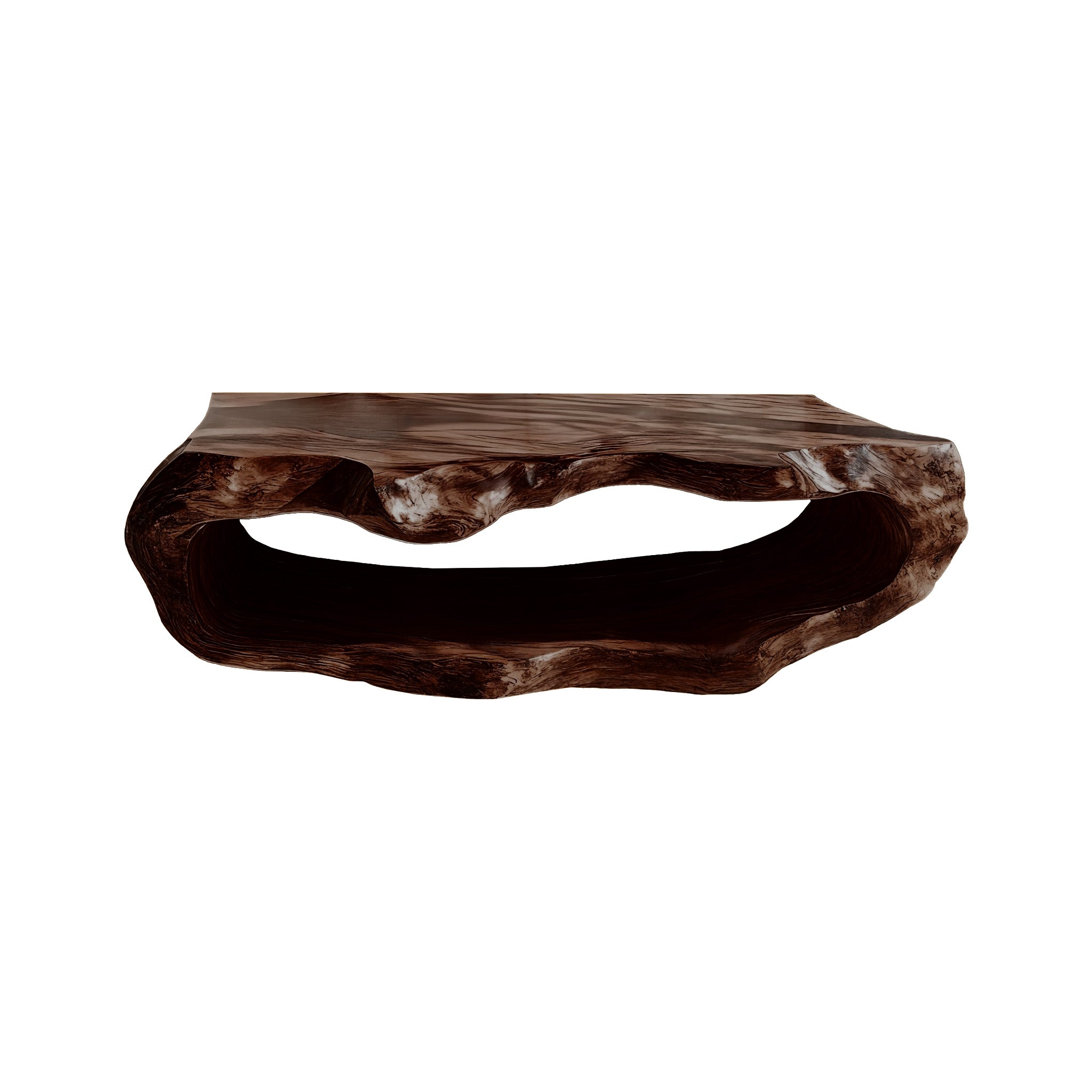
Even the best bathroom vanity will not achieve its full effect without the right mirror. A large mirror above the vanity reflects light, expands sightlines, and visually doubles the room. In many small bathrooms, this is one of the simplest and most effective ways to enhance openness.
For a cohesive look, align the mirror width with the vanity or go slightly larger when the style allows. Frameless mirrors tend to feel the lightest, while thin metal frames can complement a modern wood vanity nicely.
For maximum visual expansion:
Together, the mirror and vanity create the bathroom’s strongest visual focal point.
Countertop thickness, sink shape, and edge detail all affect how heavy the vanity feels. In small bathrooms, simpler is usually better. Thick stone slabs, oversized vessel sinks, and elaborate edge profiles can make the vanity area feel crowded.
A thinner countertop with an undermount sink or integrated sink often reads cleaner and lighter. This approach works especially well with a modern wood bathroom vanity or a streamlined floating wood bathroom vanity.
Materials that help maintain a light appearance include:
These choices support a crisp, space-enhancing vanity composition.
Some homeowners assume that less storage always means a more open bathroom. In reality, too little storage can create clutter, and clutter makes a room feel smaller. The goal is not emptiness but control. A vanity should provide enough concealed storage to keep essentials off the counter while still maintaining a light profile.
This is where quality design becomes important. The best vanity for a small bathroom is one that balances visible openness with hidden practicality. Floating installation, efficient drawers, and minimal detailing can provide that balance better than simply downsizing to the smallest cabinet possible.
If you are narrowing down your design vision, several vanity styles consistently work well in compact bathrooms:
Each of these directions can support a more open-feeling bathroom when proportion and finish are handled carefully.
The right bathroom vanity can make a small bathroom feel noticeably larger, more functional, and more inviting. The most effective choices focus on visual lightness, practical storage, and proportions that respect the room. A floating wood bathroom vanity, a slim single sink wood bathroom vanity, or a clean-lined modern wood bathroom vanity can all help create a more open environment.
If you want warmth and quality, a natural wood bathroom vanity, solid wood bathroom vanity, or walnut bathroom vanity can bring character without overwhelming the space. And if you are investing in lasting performance, a high end bathroom vanity with well-planned storage can dramatically improve both function and visual calm.
In small bathrooms, success comes from choosing less bulk, better organization, and cleaner lines. When the vanity is selected thoughtfully, even a compact bathroom can feel bright, open, and beautifully designed.
