Physical Address
304 North Cardinal St.
Dorchester Center, MA 02124
Physical Address
304 North Cardinal St.
Dorchester Center, MA 02124

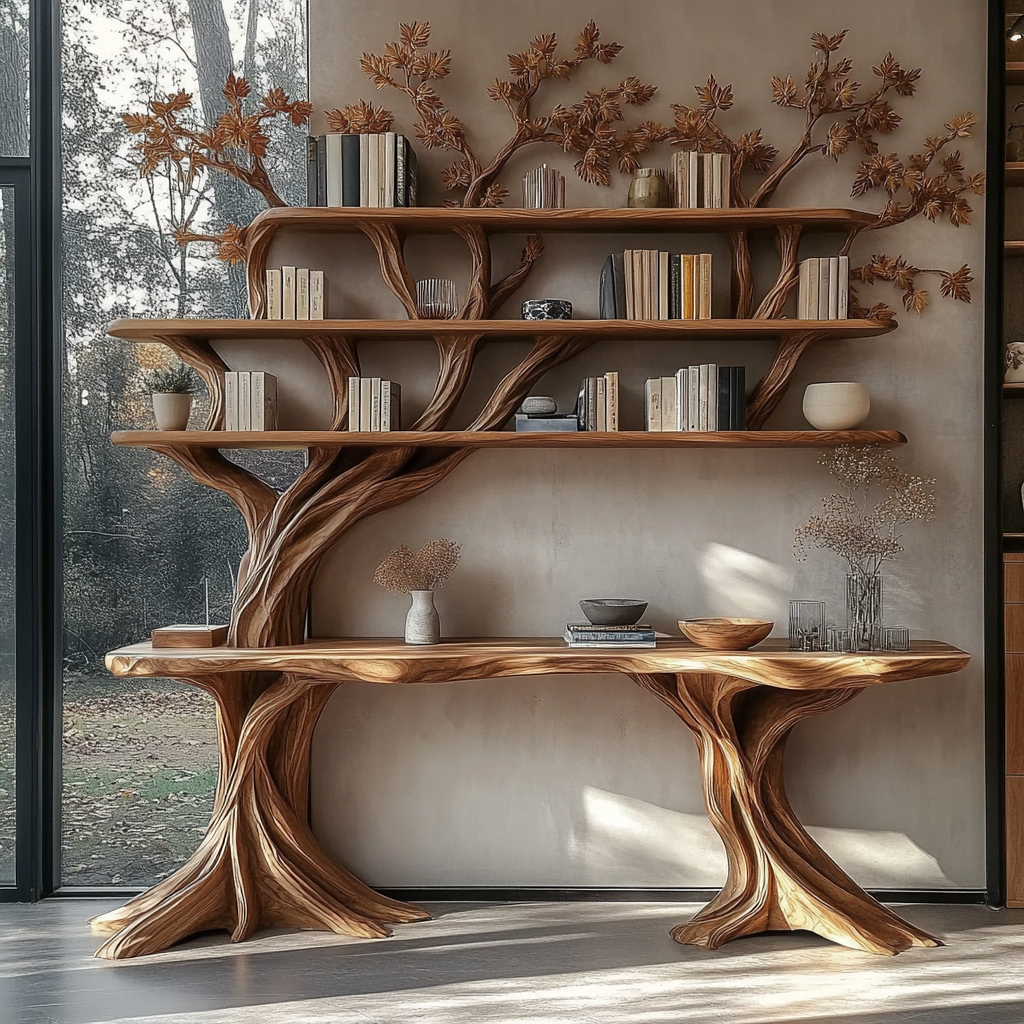
Explore the appeal, benefits, styles, and placement ideas for a tree shaped bookshelf that adds artistic flair while keeping books organized.
A tree shaped bookshelf brings together practical storage and sculptural design in a way few furniture pieces can. More than a standard shelving unit, it acts as both an organizer and a visual focal point, helping homeowners display books, decor, and personality all at once. For readers, designers, and anyone looking to elevate a room, this style offers an ideal balance of function and artistic flair.
In modern interiors, furniture is expected to do more than serve a basic purpose. It should also contribute to the atmosphere of the room. A tree bookshelf stands out because it introduces movement, creativity, and organic lines into spaces often dominated by straight edges and conventional shapes. Whether used in a living room, bedroom, office, or reading nook, it can instantly transform the character of the environment.
The defining feature of a tree shaped bookshelf is its branch-inspired structure. Instead of horizontal shelves stacked in a predictable arrangement, this design mimics the trunk and branches of a tree. Books may be stored along angled sections, central supports, or outward-reaching limbs, creating a display that feels dynamic and imaginative.
This unique silhouette makes the bookshelf especially appealing to homeowners who want furniture that sparks conversation. It functions as wall art while still offering usable storage. In smaller spaces, this can be particularly valuable, since a single item can fulfill both decorative and organizational needs.
While the visual appeal is obvious, the practical advantages are equally important. A well-designed tree bookshelf can provide efficient storage without appearing bulky. Its vertical orientation often helps maximize wall space, making it suitable for apartments, compact home offices, and cozy reading corners.
Because of these benefits, a tree shaped bookshelf appeals to both minimalists and eclectic decorators. It can hold a curated collection of favorite novels or become a larger home library statement piece.
The strongest reason many people choose a tree shaped bookshelf is its expressive quality. Furniture with organic inspiration softens interiors and introduces a natural theme without requiring major design changes. The branching pattern creates a sense of flow, making the room feel more alive and less rigid.
In contemporary interiors, these bookshelves often feature clean lines and monochromatic finishes such as black, white, or walnut. In more playful or creative homes, they may appear in brighter colors or asymmetrical forms. Some designs are highly abstract, while others closely resemble an actual tree. This range makes it easier to find an option that suits different aesthetics, from Scandinavian simplicity to bohemian warmth.

One of the strengths of this design is versatility. A tree bookshelf can adapt to many parts of the home, depending on scale and finish.
In a living area, a tree shaped design can serve as a statement piece behind a sofa, beside a media unit, or on an accent wall. It provides a smart place for books, framed photos, candles, and small plants.
Bedrooms benefit from the softer, more artistic silhouette of a tree shaped bookshelf. It can replace a traditional bookcase and contribute to a calmer, more personalized atmosphere.
In workspaces, a tree bookshelf adds creativity without sacrificing function. It can hold professional books, notebooks, awards, and accessories while helping the office feel less utilitarian.
For kids, the tree motif feels imaginative and inviting. It encourages reading by turning book storage into something visually fun. Rounded edges and anchored construction are especially important in these settings.
The material of a tree shaped bookshelf influences both durability and style. Wood and engineered wood are among the most common choices because they are sturdy and easy to shape into branch-like forms.
Finishes vary from natural oak and walnut tones to painted matte black or white surfaces. Natural wood tones tend to emphasize the organic inspiration, while darker finishes create dramatic contrast against light walls.
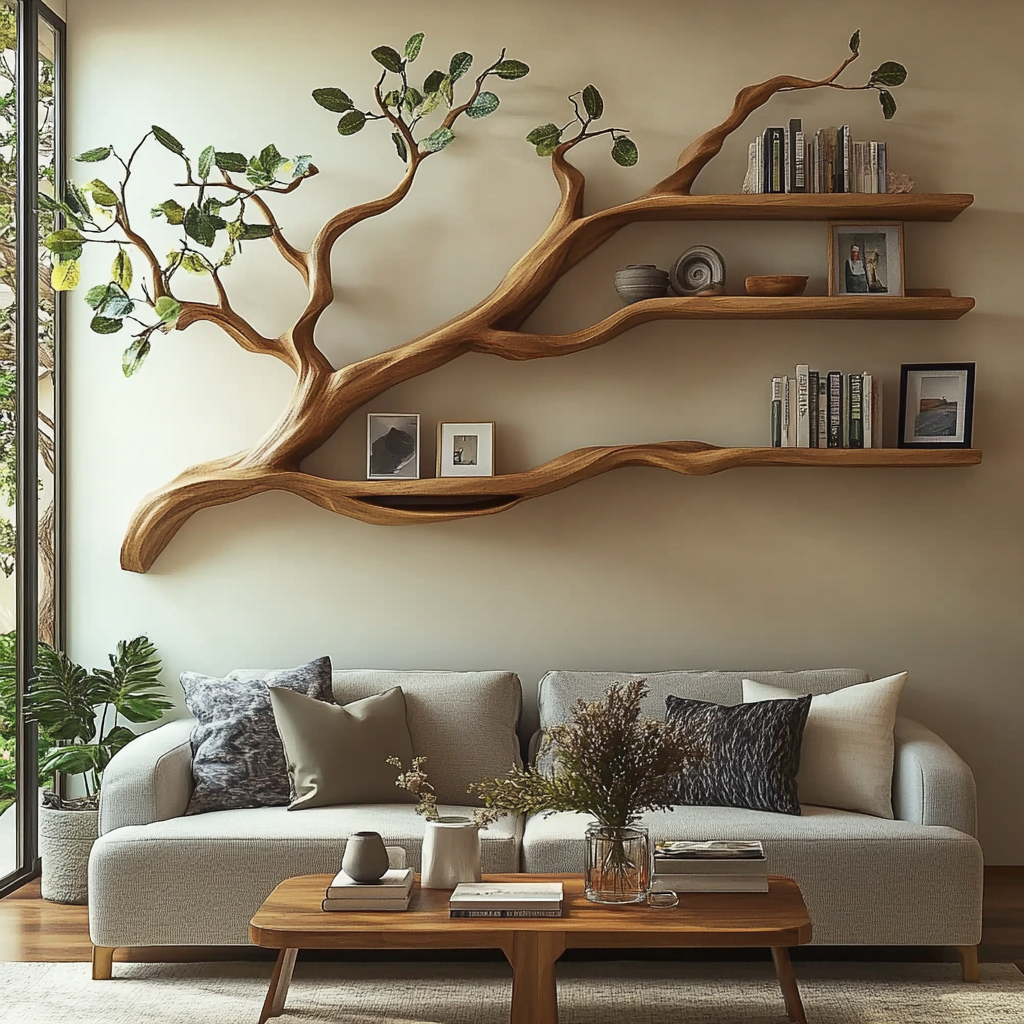
Selecting the right tree shaped bookshelf involves more than choosing the most attractive design. It should fit the room dimensions, storage needs, and overall decor style.
Start by measuring available wall space and ceiling height. Some models are tall and narrow, while others are wide with multiple branch levels. Consider what you plan to store. If the shelf will mainly display paperbacks and decorative items, a lighter unit may work well. If it will support large hardcovers or many books, look for stronger materials and reinforced construction.
It is also important to think about placement. A freestanding unit should be stable enough for open-floor use, while wall-mounted or wall-anchored options may offer better safety in households with children or pets. Finally, match the finish with existing furniture for a cohesive look, or choose a contrasting tone if you want the shelf to be a focal feature.
A tree bookshelf looks best when thoughtfully styled. Because the form is already visually active, balance is key. Avoid overfilling every branch with books. Instead, mix upright books with a few decorative objects to create breathing room and shape variation.
Lighting can also improve the presentation. A nearby floor lamp, wall sconce, or soft LED accent can draw attention to the shelf in the evening and reinforce its sculptural quality.
One reason the tree shaped bookshelf remains popular is its ability to fit into compact interiors. Unlike bulky bookcases, many tree-inspired models have a smaller footprint while still offering vertical storage. This makes them especially useful in studio apartments, narrow hallways, or corners that might otherwise go unused.
Corner-friendly versions can transform awkward areas into attractive reading displays. Slimline designs also work well beside desks or lounge chairs, making books easy to reach without crowding the room. For urban homes where every square foot matters, this style can be a smart and elegant solution.
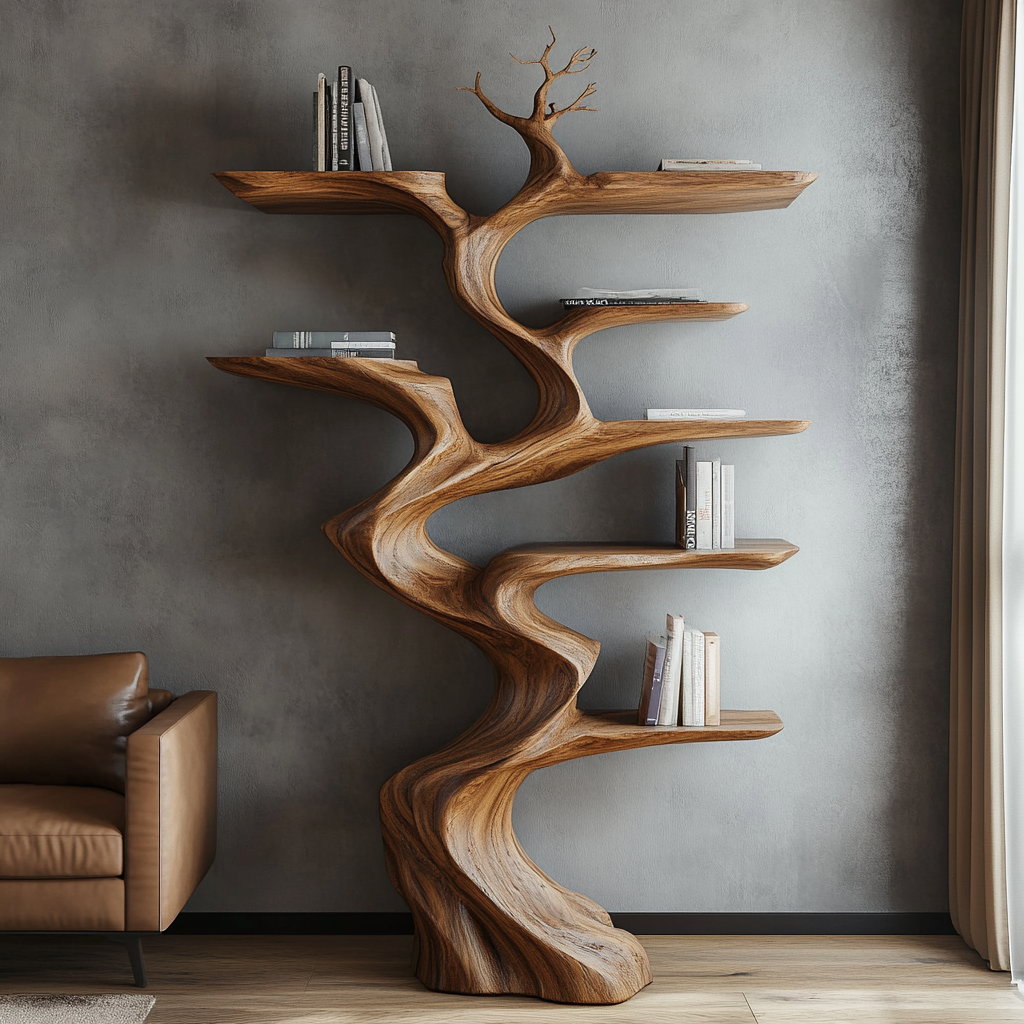
A stylish bookshelf should still perform reliably over time. When shopping for a tree shaped bookshelf, examine weight capacity, shelf depth, and overall balance. Because the branches can create unconventional load distribution, quality construction matters. Secure backing, anti-tip hardware, and a stable base all contribute to a safer and more durable piece.
It is also wise to distribute heavier books closer to the center or lower sections of the unit if recommended by the manufacturer. This helps preserve structural integrity and keeps the display looking balanced.
The ongoing popularity of the tree bookshelf reflects a broader shift in interior design toward expressive, multifunctional furniture. Homeowners want pieces that save space, reflect personality, and create memorable rooms. The tree form satisfies all three goals. It appeals to nature-inspired design preferences while remaining practical for everyday use.
As more people create reading corners, hybrid home offices, and visually curated living spaces, furniture that doubles as decor becomes more valuable. A tree shaped bookshelf is one of the clearest examples of this trend done well.
A tree shaped bookshelf is more than a place to store books. It is a functional art piece that adds rhythm, personality, and purpose to a room. With the right design, material, and placement, it can help organize a collection while elevating the entire space. Whether your goal is to make a bold statement or simply introduce a more creative storage solution, a tree bookshelf offers a distinctive and highly practical choice.
For anyone seeking furniture that combines beauty with usability, this design proves that a bookshelf can be every bit as inspiring as the stories it holds.
