Physical Address
304 North Cardinal St.
Dorchester Center, MA 02124
Physical Address
304 North Cardinal St.
Dorchester Center, MA 02124

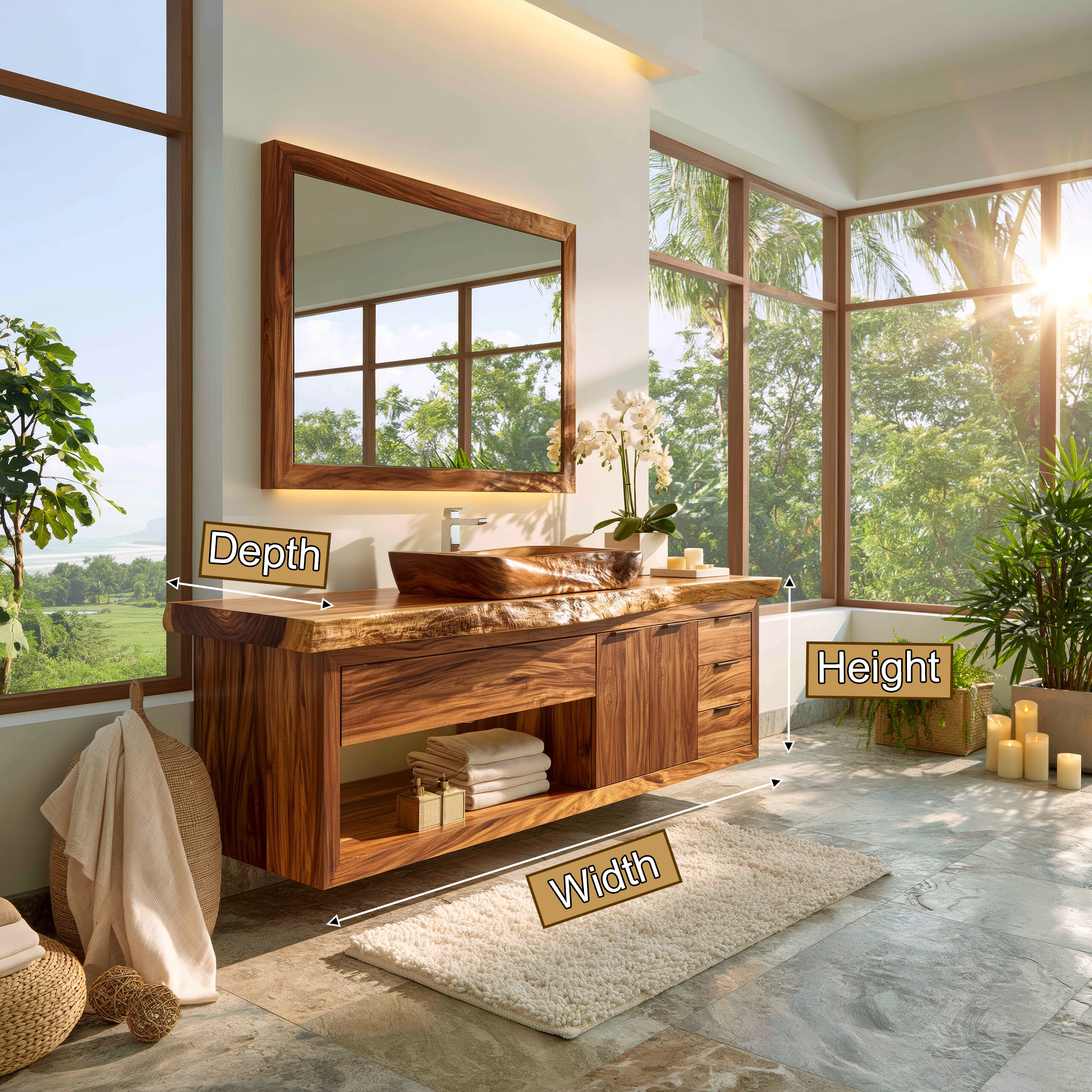
Explore refined bathroom vanity ideas that combine premium materials, smart design, and standout styling for elevated interiors.
A thoughtfully chosen bathroom vanity can define the entire character of a luxury bath. More than a practical fixture, it acts as an architectural focal point, shaping how the room feels, functions, and reflects personal taste. In statement-making interiors, the vanity is often the piece that introduces material richness, sculptural form, and a sense of permanence.
Today’s most impressive vanity concepts balance craftsmanship with utility. Designers are pairing natural woods, stone countertops, integrated lighting, custom storage, and refined hardware to create compositions that feel tailored rather than ordinary. Whether the goal is a serene spa retreat or a bold designer showcase, the right vanity establishes the visual hierarchy of the room.
This guide explores luxury bathroom vanity concepts with a special focus on wood-forward design, sophisticated finishes, and curated styling. From a modern wood bathroom vanity to a highly detailed custom bathroom vanity, these ideas will help you create an interior that is both memorable and enduring.
In upscale interiors, luxury is rarely about excess alone. It is about proportion, material quality, and intentional design. A vanity anchors all three. It occupies one of the most visible walls, supports daily routines, and often sets the tone for mirrors, sconces, flooring, and wall finishes.
A premium bathroom vanity delivers impact in several ways:
When selected with care, the vanity becomes more than furniture. It becomes a design statement that elevates the entire bathroom.
Material choice is the foundation of a statement vanity. Rich woods, handcrafted finishes, natural stone, and durable hardware contribute to a custom appearance and long-term performance. While painted vanities remain popular, wood varieties in particular offer a warmth and authenticity that instantly enrich the room.
Among the most coveted options are a walnut bathroom vanity, a teak bathroom vanity, and a rustic wood bathroom vanity with artisanal character. Each speaks a different design language while preserving a sense of exclusivity.
A walnut bathroom vanity is a favorite in luxury interiors because of its deep tone, smooth grain, and understated elegance. Walnut feels refined without appearing cold. It pairs beautifully with white marble, brushed brass hardware, black fixtures, and warm neutral tile palettes.
Designers often use walnut in contemporary bathrooms where clean lines need visual softness. Flat-panel drawers, floating silhouettes, and slab stone tops allow the wood’s natural richness to remain the star. Walnut also works exceptionally well in transitional spaces, where classic detailing meets modern restraint.
A teak bathroom vanity combines practicality with luxury. Known for its durability and moisture resistance, teak is ideal for bathrooms where longevity matters as much as aesthetics. Its golden-brown tone creates a calm, resort-inspired atmosphere, especially when paired with textured stone, organic plaster, and minimal hardware.
Teak vanities are particularly effective in wellness-oriented spaces. Double vanities with open shelving, integrated vessel sinks, and soft ambient lighting can transform an ordinary bath into a serene retreat.
A rustic wood bathroom vanity introduces texture, individuality, and natural depth. In high-end design, rustic does not mean unfinished or overly casual. Instead, it often means character-rich grain, hand-worked edges, and a connection to natural materials that make the space feel bespoke.
This style is ideal for mountain homes, modern organic interiors, and boutique-hotel-inspired baths. Pair rustic wood with honed stone, aged brass, or matte black accents to keep the look elevated rather than theme-driven.
A modern wood bathroom vanity offers the perfect intersection of warmth and minimalism. Unlike trends that fade quickly, modern wood design tends to feel timeless because it emphasizes clarity of form, quality craftsmanship, and honest materials.

To achieve this look, consider the following design characteristics:
Stone selection also plays a major role. White marble with soft veining keeps the composition airy, while darker quartz or soapstone can create greater contrast and drama. Oversized mirrors and symmetrical sconces complete the architectural effect.
A custom bathroom vanity is often the best choice when the goal is true individuality. Customization allows homeowners and designers to control every detail, from dimensions and drawer depth to sink placement, wood species, countertop profile, and integrated lighting.
In luxury projects, bespoke vanities solve both aesthetic and functional challenges. They can be scaled to suit grand primary suites, awkward alcoves, narrow powder rooms, or double-user layouts that require careful ergonomic planning. More importantly, they allow the vanity to reflect the home’s architecture rather than looking like a standard retail installation.
Features commonly included in a luxury custom bathroom vanity include:
A custom approach also makes it easier to combine striking design with practical storage, ensuring the vanity performs beautifully every day.
The silhouette of a bathroom vanity influences the entire mood of the room. Two of the most impactful approaches are freestanding and floating vanities, each offering a different expression of luxury.
A freestanding wood bathroom vanity brings furniture-like presence to the bathroom. It feels substantial, grounded, and classic, especially when detailed with plinth bases, legs, framed drawer fronts, or artisanal hardware. This style works well in traditional, transitional, and European-inspired interiors where the vanity is intended to feel like a curated statement piece.
Freestanding vanities are also ideal for showcasing distinctive wood finishes such as walnut or reclaimed oak. They add gravitas and can help large bathrooms feel more layered and residential.
Floating vanities deliver a lighter, more contemporary effect. By exposing more floor area, they make the room appear larger and cleaner. This style is often favored in minimalist, modern, and spa-like interiors where visual openness is essential.
Under-vanity lighting can amplify the drama of a floating installation, especially at night. A modern wood bathroom vanity in a floating format feels especially luxurious when paired with large-format stone slabs and frameless mirrors.
For those seeking a one-of-a-kind focal point, a live edge bathroom vanity offers exceptional character. The preserved organic edge introduces sculptural beauty and highlights the uniqueness of the wood slab. No two pieces are identical, which makes this approach especially attractive in bespoke luxury spaces.
To keep a live edge design sophisticated, balance it with restrained surrounding elements. A simple vessel sink, wall-mounted faucet, and neutral stone flooring allow the slab to command attention without visual competition. Woods with dramatic grain, including walnut and teak, are particularly effective in this application.
A live edge concept works beautifully in powder rooms, boutique-style guest baths, and statement primary suites where artistry is just as important as utility.
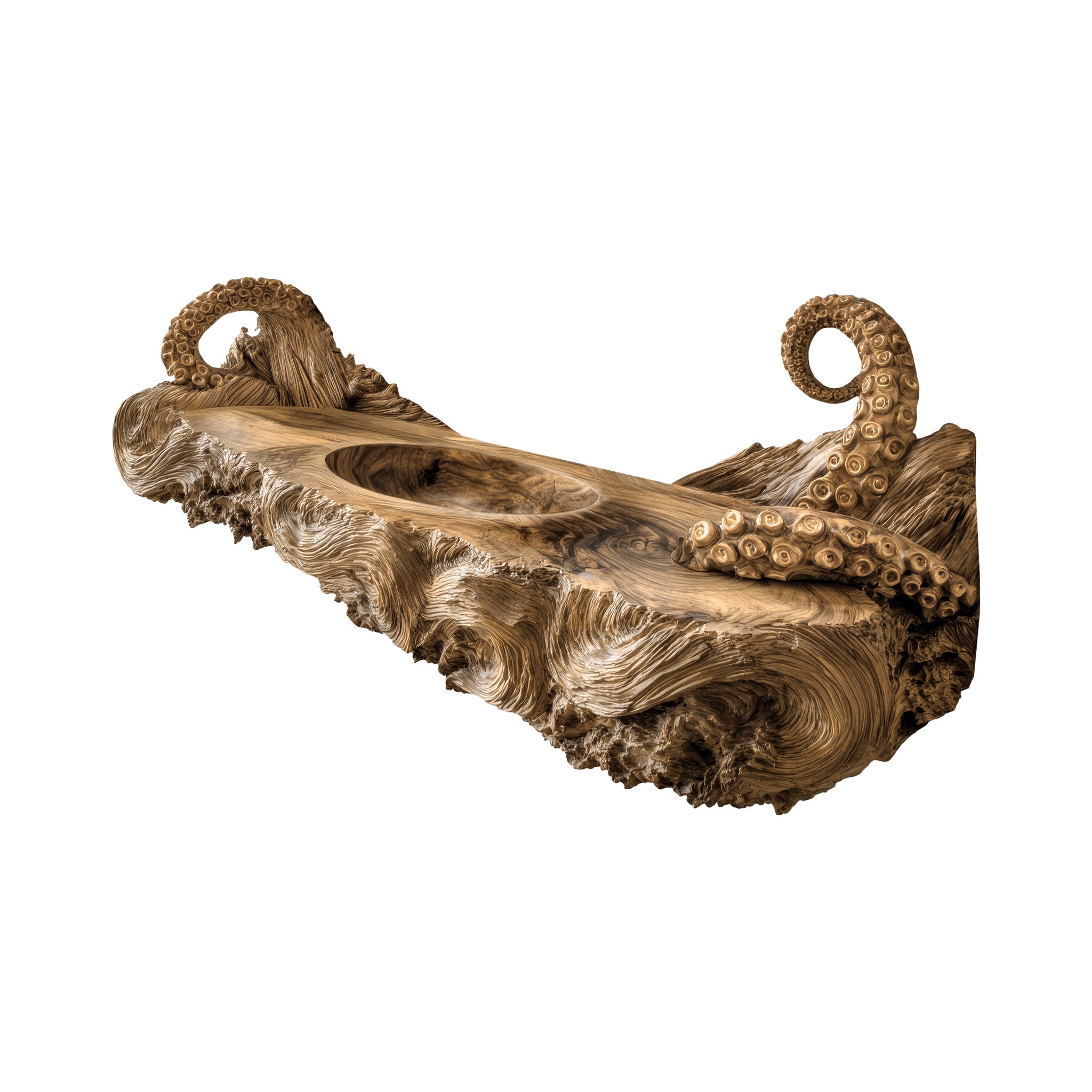
The countertop is a crucial partner to any wood bathroom vanity. It should complement the tone and texture of the wood while providing resilience against moisture, cosmetics, and regular cleaning.
Popular luxury pairings include:
Edge profile matters as well. Mitered waterfall edges create a more sculptural, contemporary aesthetic, while eased edges and slim slabs support understated sophistication.
The finish of a bathroom vanity determines whether it recedes gracefully or commands immediate attention. In luxury interiors, the most successful finishes tend to emphasize depth, texture, and authenticity.
Consider these approaches:
To make the vanity stand out, contrast is key. A dark walnut bathroom vanity against pale stone walls feels sophisticated and dramatic, while a lighter teak bathroom vanity can bring warmth to monochromatic spaces.
Even the finest vanity can fall flat if the hardware and fixtures feel generic. Metals should be chosen with the same care as wood and stone. The goal is cohesion, not excess.
Brushed brass remains a top choice for warmer wood tones because it enhances richness without overwhelming the design. Matte black offers a sharper, more modern profile, especially in minimalist bathrooms. Polished nickel suits traditional and transitional settings thanks to its classic versatility.
Wall-mounted faucets are particularly effective in luxury interiors because they free up countertop space and reinforce a custom-built appearance. Coordinating drawer pulls, mirror frames, and sconces creates a more resolved and intentional composition.
Luxury is as much about what remains hidden as what is displayed. A statement bathroom vanity should support clutter-free living through intelligent internal organization. Deep drawers, divided trays, concealed outlets, and discreet compartments all contribute to a polished user experience.
For shared bathrooms, double vanities benefit from clearly zoned storage so each user has dedicated space. In smaller bathrooms, vertical drawer stacks, integrated shelf niches, and mirrored medicine cabinets help maximize efficiency while preserving visual calm.
The best vanity designs feel effortless because they anticipate daily routines and keep essentials accessible but out of sight.
Lighting can dramatically enhance the luxury of a bathroom vanity. Even the most beautiful materials benefit from thoughtful illumination that highlights grain, finish, and reflective surfaces.
Layered vanity lighting typically includes:
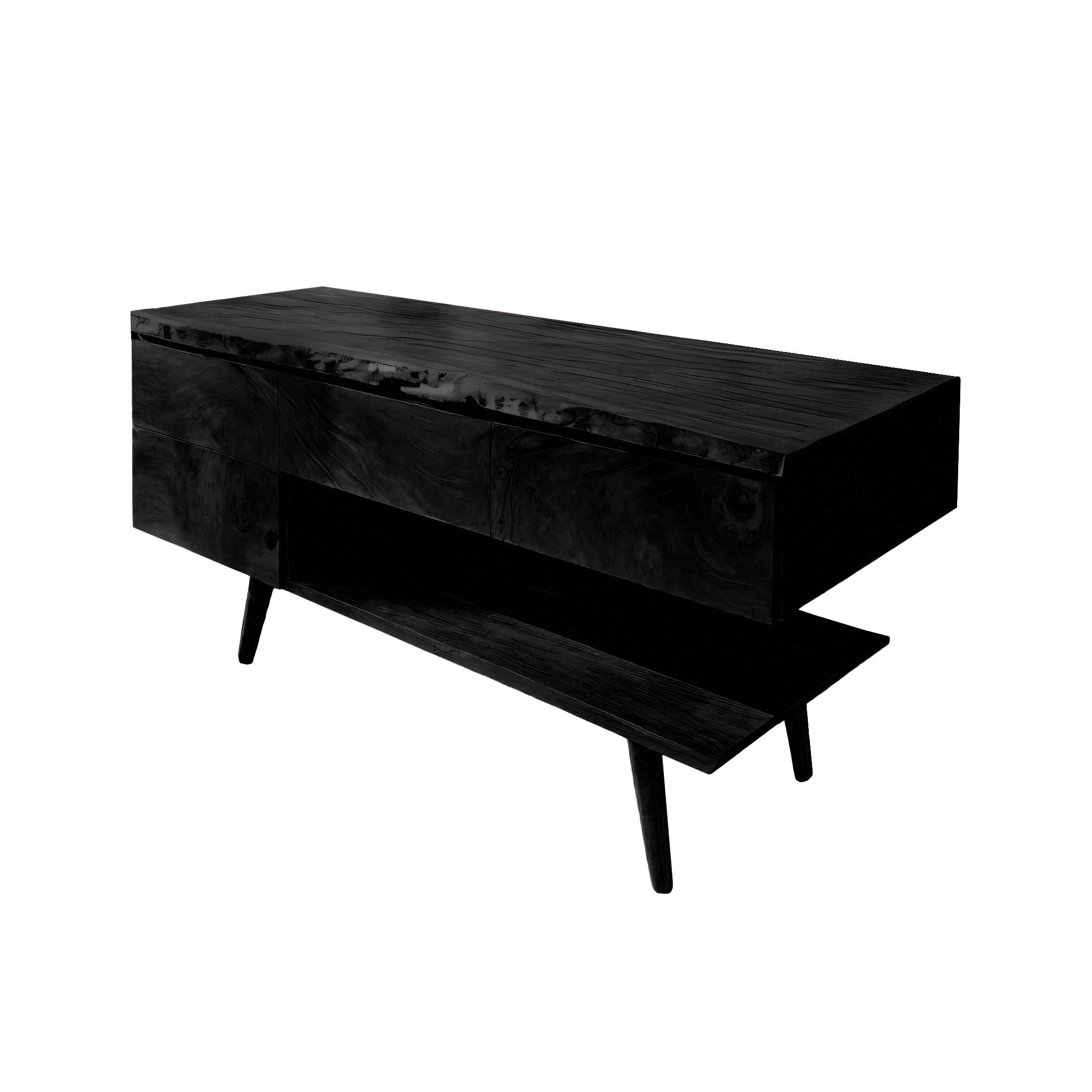
Warm color temperatures generally complement wood tones better than cool light, helping the space feel more inviting and refined.
Luxury styling is selective. A statement vanity should never be overcrowded. A few intentional elements are enough to reinforce sophistication while preserving clean lines.
Effective styling choices include a sculptural soap dispenser, a stone tray, neatly folded hand towels, a small vase of greenery, or a candle in a refined vessel. If shelving is visible, display only a few tonal objects or spa essentials in matching containers.
The emphasis should remain on material beauty and proportion. A remarkable wood bathroom vanity does not need excessive decoration to feel complete.
Choose a floating modern wood bathroom vanity with flat-panel drawers, integrated pulls, and a slim stone top. Pair with large mirrors and simple sconces for a crisp architectural effect.
A walnut bathroom vanity with rounded edges, soft-veined quartzite, and brushed brass fixtures creates a balanced mix of warmth and sophistication.
Select a teak bathroom vanity with open shelving, neutral stone, textured plaster walls, and understated lighting. This combination feels calm, grounded, and restorative.
A rustic wood bathroom vanity with artisanal detailing, honed stone, and aged metal accents delivers natural drama without sacrificing elegance.
A custom bathroom vanity or live edge bathroom vanity can serve as the singular artistic feature in the room, especially when supported by restrained finishes elsewhere.
Selecting the ideal bathroom vanity begins with understanding the room’s dimensions, style direction, and storage needs. Start by determining whether the vanity should blend with the architecture or intentionally stand apart as a focal piece. Then evaluate materials based on performance, especially in high-humidity environments.
Ask these questions during the selection process:
When budget allows, prioritize craftsmanship over trend-driven extras. A well-built vanity with premium materials will deliver beauty and value for years.
A luxury bathroom vanity is one of the most effective ways to create a statement-making interior. Whether you prefer the sleek lines of a modern wood bathroom vanity, the rich elegance of a walnut bathroom vanity, the spa appeal of a teak bathroom vanity, or the tactile charm of a rustic wood bathroom vanity, the key is choosing a design that feels intentional, enduring, and beautifully crafted.
For the most elevated results, think beyond the vanity as a standalone purchase. Consider it part of a complete composition that includes stone, metal, lighting, mirrors, and storage planning. When these elements work together, the vanity becomes more than functional cabinetry. It becomes the signature piece that defines the entire room.
