Physical Address
304 North Cardinal St.
Dorchester Center, MA 02124
Physical Address
304 North Cardinal St.
Dorchester Center, MA 02124

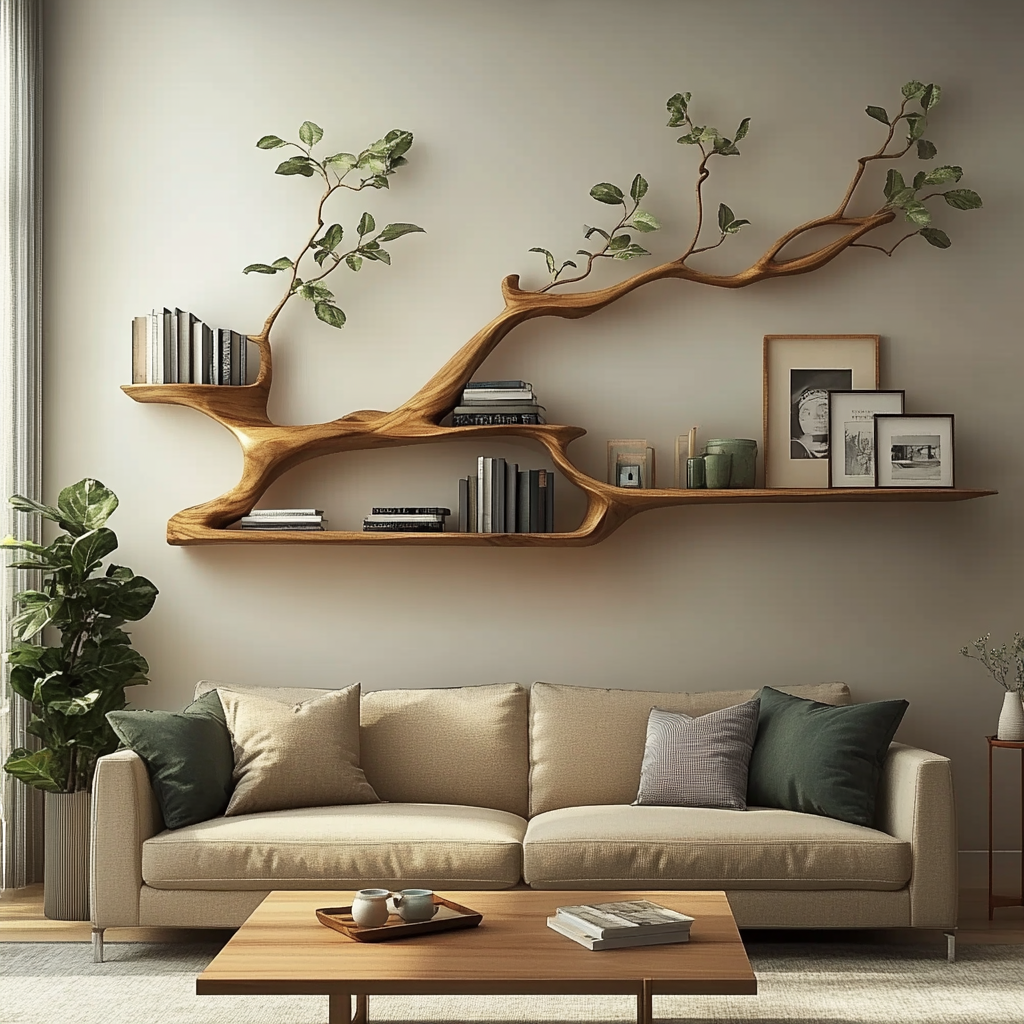
A complete guide to choosing and styling a tree branch bookshelf that adds storage, personality, and sculptural beauty to your home.
A tree branch bookshelf does more than store books. It introduces movement, shape, and a nature-inspired focal point that instantly makes a room feel more curated. Unlike conventional rectangular shelving, this style turns storage into visual art by mimicking the trunk-and-branch form of a tree. The result is a piece that feels practical enough for everyday use yet expressive enough to define an entire corner of a room.
In recent years, the popularity of the tree bookcase has grown among homeowners, apartment dwellers, and interior designers looking for furniture that blends utility with personality. Whether you prefer a minimalist silhouette, a dramatic sculptural profile, or a compact unit for a reading nook, there is a version of the tree shaped bookshelf that can fit your space and style.
This guide explores what makes these bookcases so appealing, how to choose the right one, where they work best, and how to style them so they feel balanced rather than busy.
Most bookshelves are designed to disappear into the room. A decorative tree bookshelf does the opposite. It contributes structure while adding a natural motif that softens straight architectural lines. That combination is especially valuable in interiors that need more warmth, texture, or visual rhythm.
Because the shelves are arranged like branches, the design naturally breaks up repetition. Books can be stacked vertically or horizontally, small decorative accents can sit between them, and the overall display feels less rigid than it would on traditional shelving. For many people, that is the biggest appeal: the shelf functions as storage while helping everyday objects look intentionally styled.
A well-designed modern tree bookshelf also works across multiple aesthetics. In Scandinavian spaces, it reinforces simplicity with organic form. In contemporary homes, it serves as a sculptural statement. In eclectic rooms, it brings playful asymmetry that complements collected decor. Even in smaller apartments, it can create height and visual interest without requiring a large footprint.
The modern tree bookshelf typically uses clean lines, smooth finishes, and a restrained branch pattern. These designs are often available in black, white, oak, walnut, or muted tones that blend with contemporary decor. They are perfect for people who want the artistic quality of a tree-inspired shelf without a rustic look.
Minimalist versions work especially well in living rooms, home offices, and bedrooms where you want a smart, polished atmosphere. They pair nicely with neutral upholstery, metal lighting, and simple decorative accessories.
A decorative tree bookshelf puts appearance front and center. The branch layout may be more dramatic, more asymmetrical, or more sculptural than standard versions. These designs are excellent for making a statement in entryways, reading corners, or open-plan living spaces.
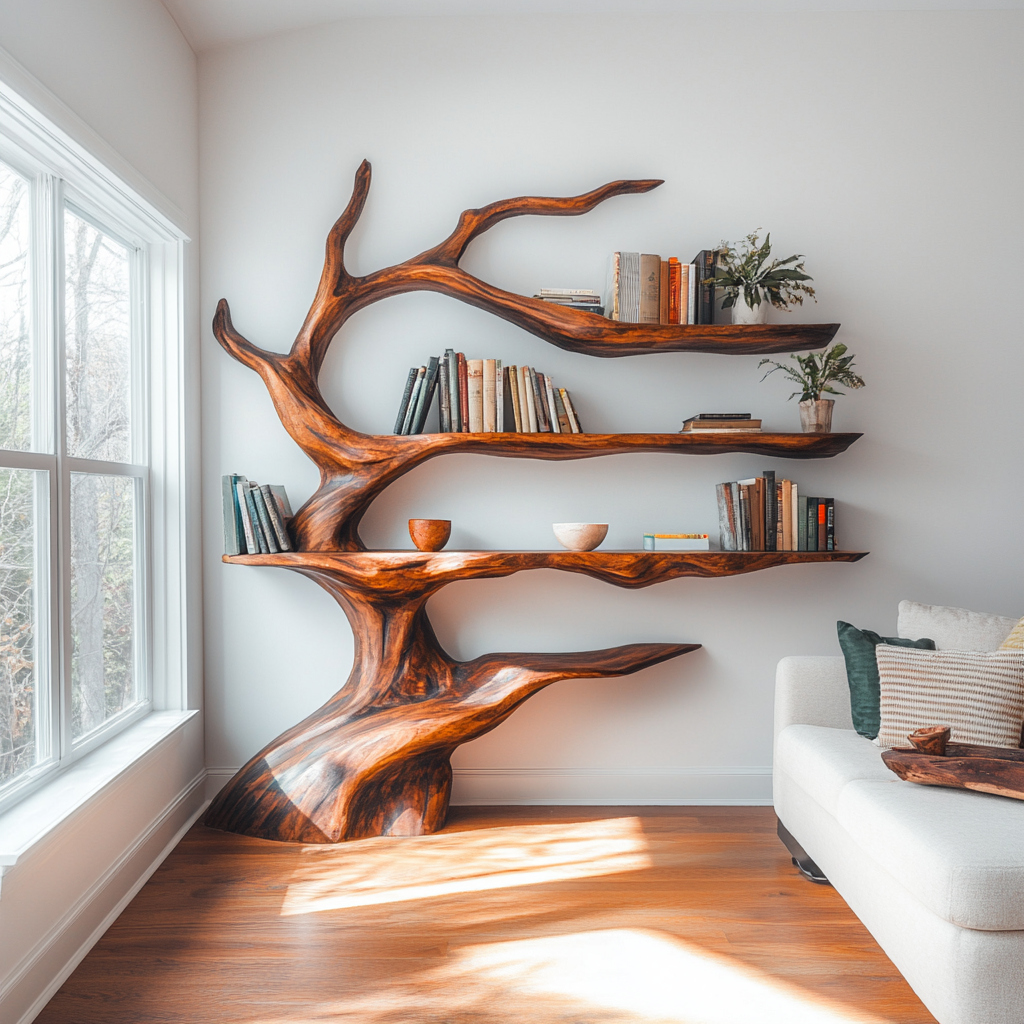
If your goal is to use furniture as part of the room’s personality, this style offers strong impact. It can replace the need for additional wall art because the shelf itself acts as an artistic feature.
A tall tree bookshelf is ideal when you want to maximize storage without sacrificing floor space. By extending upward, it draws the eye vertically and can make ceilings feel higher. This style is especially useful in apartments, narrow rooms, and compact homes where every square foot matters.
Taller units should be chosen with stability in mind. Look for sturdy materials, a balanced base, and wall-anchoring hardware when needed. A tall profile can feel elegant and architectural, but it should also be secure for daily use.
A smaller tree shaped bookshelf can fit beside a chair, desk, or bed. Compact versions often prioritize display over maximum capacity, but they are incredibly useful for housing favorite books, children’s stories, or a few well-chosen accessories. They are also excellent for renters who want flexible furniture that can move easily from room to room.
A tree bookshelf for living room placement is one of the most popular choices, and for good reason. In living spaces, the shelf can anchor an empty wall, balance a sofa arrangement, or fill an awkward corner that needs both height and function. It can display novels, art books, ceramics, and greenery while contributing to the overall decor story of the room.
If your living room feels too boxy or too plain, a tree branch bookshelf introduces shape and movement. It can also create a more layered, lived-in atmosphere without requiring major renovation or expensive built-ins.
In bedrooms, a tree bookcase offers softer visual energy than standard shelving. It works beautifully near a reading chair or along a blank wall where a dresser or desk would feel too heavy. Styling should remain simple here: a few books, a candle, a small plant, and one framed photo are often enough.
In a workspace, a modern tree bookshelf can help the room feel inspiring rather than purely functional. It keeps books and notebooks accessible while bringing a little personality to the background. For remote workers who appear on video calls, it also creates a more memorable backdrop than ordinary shelves.

A tree branch bookshelf can be especially charming in children’s spaces. The shape feels imaginative, making books more inviting and storage more interactive. For these rooms, prioritize rounded edges, durable materials, and secure installation.
Before choosing any tree shaped bookshelf, measure your available wall and floor space carefully. A shelf that looks compact online may feel visually crowded in a narrow room. If the area is small, choose a slim profile with open spacing between branches. If you have higher ceilings, a tall tree bookshelf may create better balance.
Some tree-inspired shelves are built mainly for display, while others can handle a larger library. Ask yourself whether you need space for paperbacks, heavy hardcovers, decorative objects, or a mix of everything. If you own many books, a sturdier design with deeper shelves is essential.
Wood finishes create warmth and often feel the most organic. White finishes look bright and clean, making them ideal for modern or Scandinavian interiors. Black designs can feel bold and graphic, especially in contemporary spaces. If your goal is a highly polished look, a decorative tree bookshelf with a premium veneer or painted finish may be worth the investment.
Because the design is more unconventional than a standard rectangular shelf, quality matters. A good tree bookcase should have even weight distribution, solid connections, and a base that does not wobble. If you plan to store many books, confirm weight limits and assembly requirements. For families with kids or pets, anchoring the shelf to the wall is strongly recommended.
The biggest mistake people make with a tree branch bookshelf is overfilling it. Since the design already has strong visual character, it benefits from thoughtful editing. You want the branch structure to remain visible rather than disappear behind clutter.
If you are styling a tree bookshelf for living room use, try coordinating the shelf with one or two nearby materials in the room, such as wood tones in a coffee table or black accents in a floor lamp. That repetition makes the piece feel integrated rather than isolated.
Choose a white or pale oak modern tree bookshelf with a simple outline. Style it with neutral-toned books, matte ceramics, and a small trailing plant. Keep the overall arrangement airy and uncluttered.

Look for a black or dark walnut tree bookcase with crisp lines. Pair it with abstract decor, monochrome book covers, and minimal accessories. In this setting, the shelf becomes a sculptural anchor.
A warmer wood decorative tree bookshelf works well with layered textiles, woven baskets, handmade pottery, and colorful book spines. The organic shape enhances the collected, relaxed feel of the room.
An asymmetrical tree shaped bookshelf can thrive in eclectic interiors where personality matters most. Mix books with art objects, souvenirs, and quirky decor, but maintain enough open space to avoid visual overload.
Yes, if chosen well. A tall tree bookshelf is practical when it combines good capacity, stable construction, and a layout that allows easy access to books. It is especially effective in smaller homes because it uses vertical space rather than spreading outward. The top shelves can hold decorative pieces or less frequently used books, while the lower branches can store everyday reading material.
For households that read often, the best approach is to treat the shelf as both storage and display. Keep the books you reach for regularly at mid-height, and reserve the most decorative branches for accents. This way, the unit remains beautiful without becoming inconvenient.
Keeping a tree branch bookshelf looking beautiful is fairly simple. Dust the surfaces regularly, especially at the branch intersections where buildup tends to collect. Use a soft cloth and avoid harsh cleaners that may damage paint or veneer. If the shelf is made of engineered wood, wipe spills quickly to prevent swelling or staining.
Every few months, check the hardware and make sure the unit remains level and secure. If it is a freestanding tall tree bookshelf, confirm that the wall anchor remains properly fastened.
A tree branch bookshelf is one of those rare furniture pieces that manages to be expressive and useful at the same time. It offers real storage, but it also adds form, softness, and personality to a room in a way that ordinary shelves rarely do. Whether you choose a compact tree shaped bookshelf for a reading nook, a dramatic decorative tree bookshelf for a focal wall, or a modern tree bookshelf for a clean contemporary interior, the right design can elevate the entire space.
If you want a shelf that feels more intentional than standard storage, a thoughtfully chosen tree bookcase is a smart investment. It brings together organization and artistry, proving that practical furniture can still feel beautiful every single day.
