Physical Address
304 North Cardinal St.
Dorchester Center, MA 02124
Physical Address
304 North Cardinal St.
Dorchester Center, MA 02124

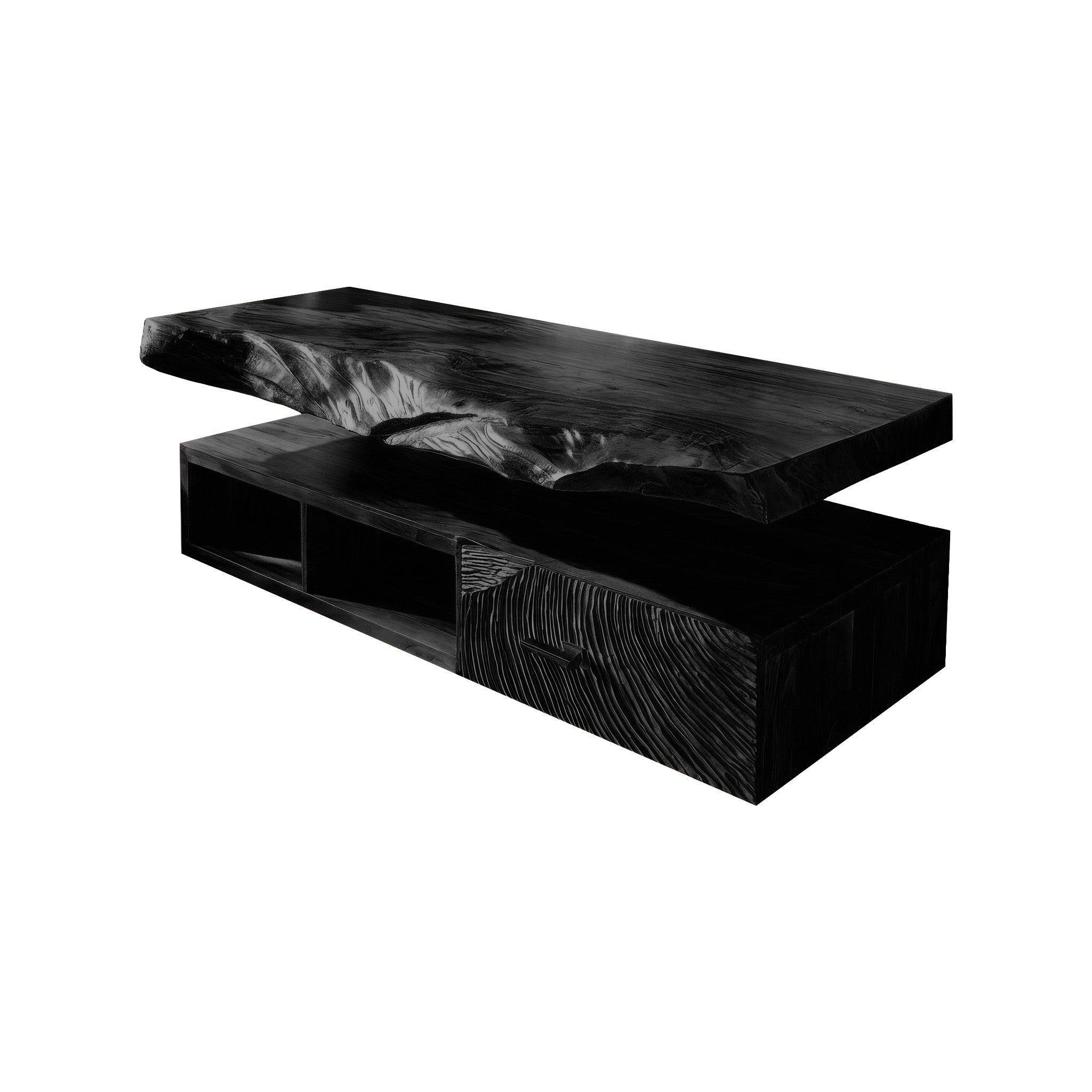
Explore elegant white bathroom vanity finishes and design ideas that balance simplicity, warmth, and sophisticated bathroom style.
A well-designed bathroom vanity can quietly define the entire mood of a bathroom. While dramatic colors and bold textures have their place, white finishes continue to stand out for one reason: they make a space feel calm, polished, and effortlessly refined. The right white bathroom vanity does more than brighten a room. It creates a foundation that allows stone, tile, metal, and wood accents to feel intentional rather than overwhelming.
What makes white especially compelling is its range. A crisp bright white can feel tailored and modern. A soft off-white can feel warm and classic. A matte finish can create understated luxury, while a subtle satin sheen can reflect light in a way that feels fresh and clean. For homeowners planning a remodel or designers specifying cabinetry, selecting the ideal vanity finish is not simply about color. It is about how that finish interacts with materials, lighting, scale, and everyday use.
In this guide, we will explore white bathroom vanity finishes that feel simple yet sophisticated, along with practical styling insights and material pairings. Whether you are considering a custom bathroom vanity, a freestanding wood bathroom vanity with painted detailing, or a mixed-material design that brings in white oak bathroom vanity elements, the goal is the same: timeless elegance with lasting functionality.
White has enduring appeal because it supports nearly every design direction without feeling trend-driven. In small bathrooms, it helps open up the room visually. In larger primary suites, it adds clarity and balance, especially when paired with natural stone, brass fixtures, or textured wall treatments. A white bathroom vanity also works beautifully across styles, from contemporary minimalism to transitional interiors to farmhouse-inspired spaces.
There is also a practical design advantage. Bathrooms contain many hard surfaces, including mirrors, tile, glass, and plumbing fixtures. A white vanity can soften the visual complexity of those surfaces by acting as a clean anchor. It offers definition without heaviness, making it ideal for spaces that should feel organized and restorative.
For those who appreciate wood textures, white can be even more effective when contrasted with natural elements. A natural wood bathroom vanity accent, open shelving, or framed mirror in oak or walnut can keep the overall scheme from feeling sterile. This balance between clean white finishes and grounded organic materials is where simplicity becomes sophistication.
Not all white finishes are created equal. The undertone of white will strongly influence the final atmosphere of the room. Some whites lean cool with gray or blue undertones, while others carry warm cream, beige, or ivory notes. The best choice depends on the surrounding finishes and the natural light in the space.
When evaluating a bathroom vanity finish, it is wise to test samples near the countertop, floor tile, wall paint, and lighting. What looks white in one setting may appear gray, cream, or too bright in another. The most elegant spaces are cohesive because each finish has been selected in relation to the others.
The sheen level of a bathroom vanity matters just as much as the color itself. It affects how the piece reflects light, how fingerprints appear, and how formal or relaxed the vanity feels in the overall design.
Matte white is often associated with modern luxury. It absorbs light rather than bouncing it back aggressively, giving the vanity a tailored and understated look. It works especially well in minimalist bathrooms with slab fronts, integrated hardware, and stone surfaces with subtle veining.
Satin white is one of the most versatile choices. It has a gentle luster that feels polished without being glossy. Satin finishes tend to be practical for family bathrooms because they are easier to maintain while still looking elevated.
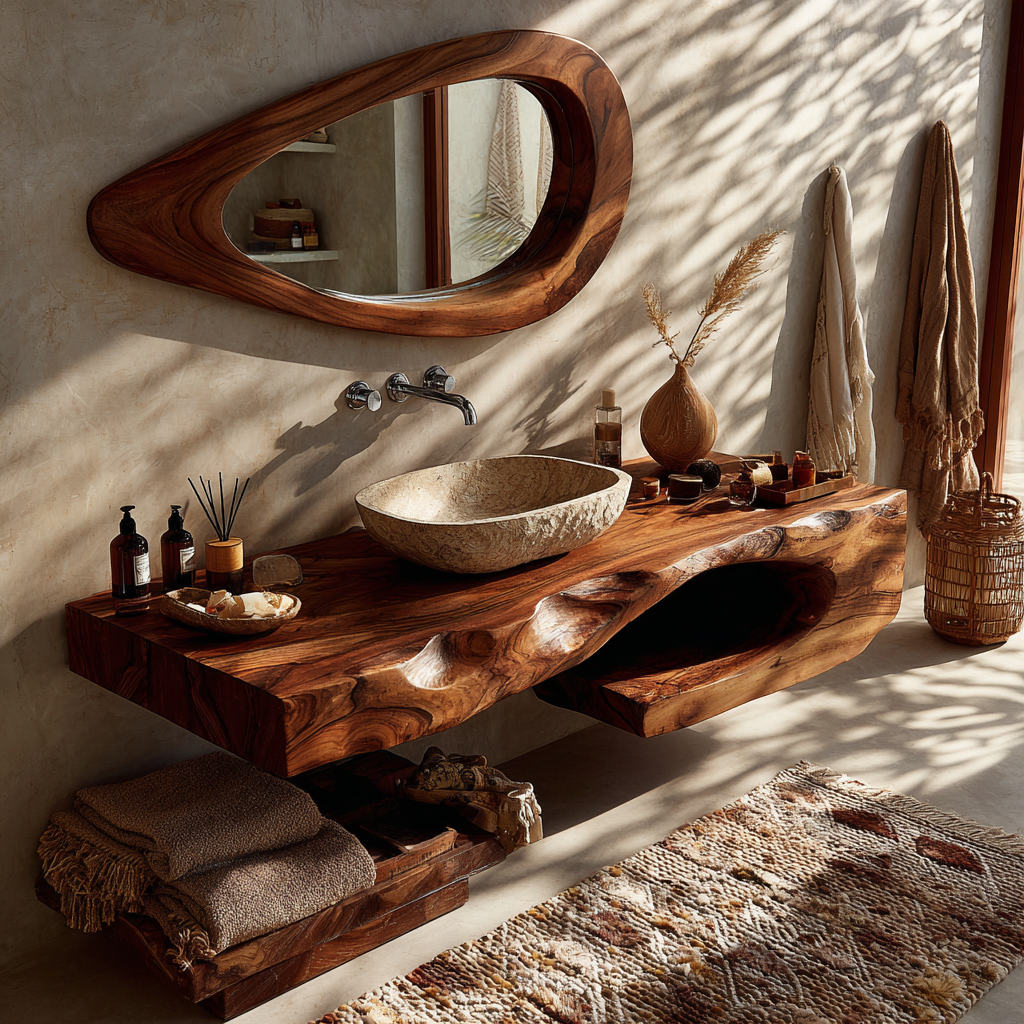
Gloss white can feel sleek and contemporary, but it is most successful when used intentionally. In the right bathroom, especially one with clean lines and reflective materials, gloss can create a fresh, high-design effect. However, for homeowners seeking warmth and softness, matte or satin often delivers a more enduring sophistication.
A crisp white bathroom vanity topped with marble, quartzite, or a soft-veined quartz surface creates a timeless combination. The clean cabinetry allows the natural movement in the stone to become the focal point. This is an ideal approach for anyone who wants the space to feel bright, classic, and quietly luxurious.
Polished nickel or unlacquered brass hardware pairs beautifully here. Add wall sconces with linen shades or opal glass to keep the room feeling refined rather than overly formal.
One of the most elegant combinations today is a white vanity finish balanced by white oak bathroom vanity details. This could mean white upper drawer fronts with white oak side panels, a white painted vanity paired with a white oak mirror frame, or white cabinetry above a light oak open shelf. The effect is layered and welcoming.
White oak introduces texture and warmth without making the room feel heavy. This pairing is especially effective in Scandinavian, Japandi, and modern organic interiors where restraint is part of the design language.
A freestanding wood bathroom vanity painted in soft white can mimic the character of furniture while maintaining the performance of built-in cabinetry. Tapered legs, recessed panels, and curated hardware help the piece feel bespoke. This approach is especially suitable for powder rooms and guest bathrooms where charm and elegance matter as much as storage.
To keep the look sophisticated, avoid excessive ornamentation. Let the proportions, paint finish, and countertop material carry the design.
For a more tailored look, a white bathroom vanity can be paired with black hardware, dark bronze plumbing, or a charcoal-framed mirror. The contrast sharpens the design and gives the room a sense of structure. This works well in both modern and transitional spaces, especially with simple cabinet fronts and monochromatic tile.
The key is balance. Too much contrast can feel stark, while carefully placed darker accents make the white finish appear more intentional and high-end.
Some of the most memorable bathroom designs blend painted white cabinetry with accents inspired by a natural wood bathroom vanity. Think a white main vanity with a wooden stool, oak shelving, or a rustic beam above the mirror. The white keeps the room clean and simple, while the wood adds tactility and depth.

This layered approach is particularly effective when the goal is sophistication without coldness. The room feels curated and comfortable at the same time.
A beautiful finish starts with the right construction. A vanity may look similar at first glance, but its substrate and craftsmanship will influence durability, texture, and long-term performance. This matters in a humid space like a bathroom.
A solid wood bathroom vanity with sink can be painted white for a luxurious result that feels substantial and custom. Solid wood allows for detailed joinery and often provides better longevity than lower-grade alternatives. It is especially appealing in high-end projects where quality is visible in both the finish and the feel of the piece.
A rustic wood bathroom vanity can also be finished in white, though the approach is different. In this case, the beauty comes from texture. Grain, knots, and subtle imperfections may show through or influence the finish, adding character. A softly painted rustic vanity can bridge casual warmth and elegant restraint when styled with refined mirrors and stone counters.
For homeowners who want a highly personalized result, a custom bathroom vanity offers the greatest freedom. Dimensions, drawer configuration, sink placement, hardware, paint tone, and wood combinations can all be tailored to the room. This is often the best route in primary bathrooms, older homes with unusual footprints, or projects where the vanity needs to function as a true design centerpiece.
The finish of a bathroom vanity becomes more compelling when paired with the right countertop. Some pairings emphasize contrast, while others create an intentionally quiet, monochromatic look.
Countertop edge profile also matters. A simple eased edge or mitered slab often feels more sophisticated than highly decorative shaping, especially when the design goal is understated luxury.
Hardware may seem like a small detail, but it has a major impact on how a white vanity reads stylistically. On a simple cabinet, hardware often becomes the jewelry of the room.
Long linear pulls tend to feel modern and clean, while knobs and smaller pulls can feel more traditional or furniture-inspired. The most sophisticated choice is often the one that aligns with the architecture of the vanity rather than competing with it.
To make a white bathroom vanity feel elevated rather than generic, the surrounding design elements need to support it. Mirror shape, lighting, flooring, and wall finish all contribute to the final impression.
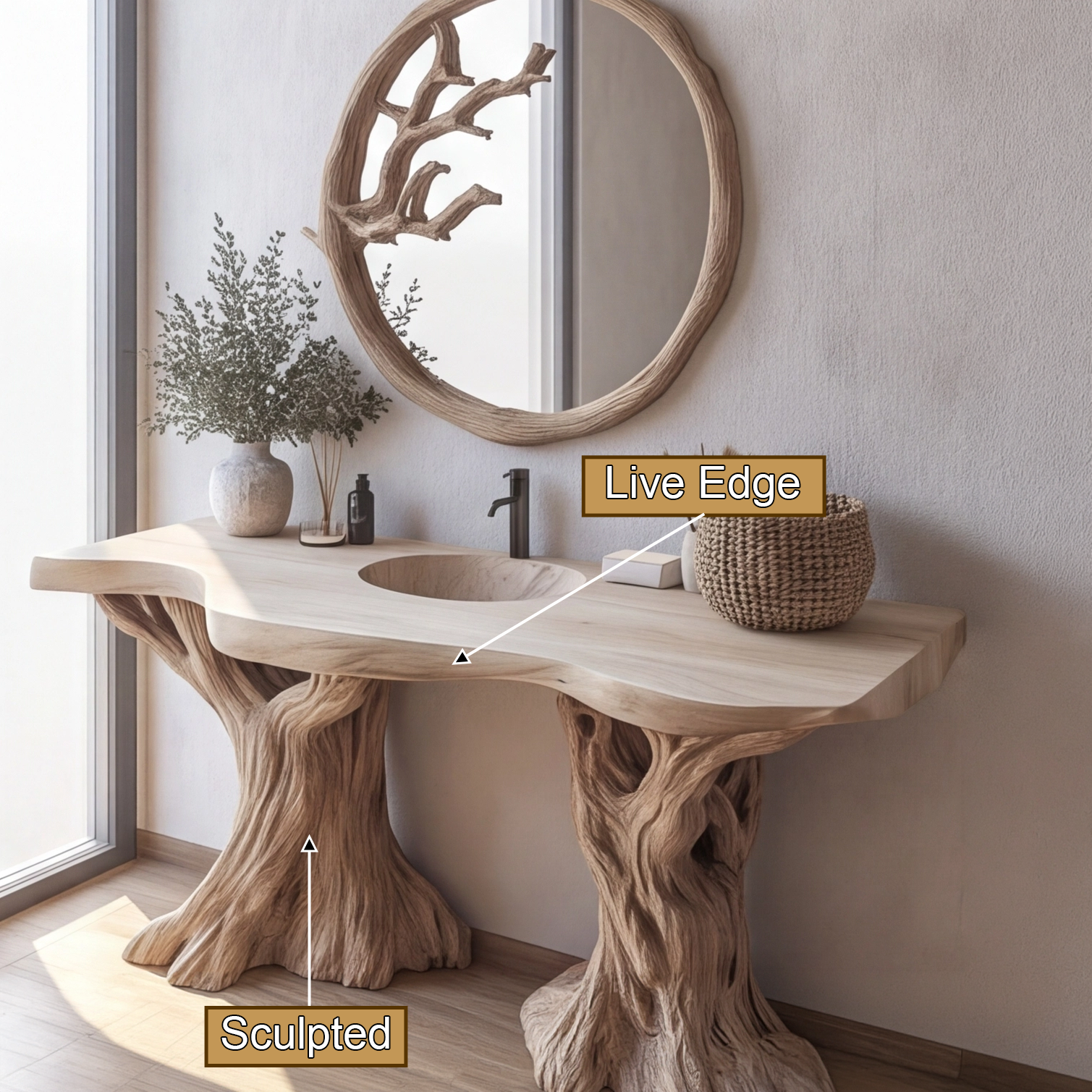
Mirrors with wood or metal frames can introduce contrast and help ground the vanity visually. Wall sconces placed at eye level add a tailored, designer-quality look. Floor tile in natural stone, porcelain, or patterned mosaic can bring movement and depth beneath a simple vanity finish.
If you want the bathroom to feel especially serene, consider keeping the palette restrained. Soft gray, sand, taupe, and muted green all pair gracefully with white. If you prefer a bolder mood, white acts as a stabilizing backdrop for statement wallpaper, dramatic tile, or sculptural lighting.
A flat-panel white vanity with integrated pulls, paired with white oak bathroom vanity accents and warm stone, creates a clean but inviting atmosphere. This look favors simplicity, texture, and natural materials over ornament.
Shaker-style white cabinetry with marble counters, polished nickel hardware, and soft lighting feels timeless. A custom wood bathroom vanity in this style can blend traditional detailing with modern storage features.
A rustic wood bathroom vanity painted in soft white with a furniture base and apron-front details can feel charming without becoming overly themed. Pair it with elegant sconces and a restrained tile palette to keep it sophisticated.
A bright white floating vanity or sleek freestanding wood bathroom vanity with a low-profile sink and minimal hardware delivers a gallery-like sense of calm. The sophistication comes from proportion, material quality, and uncluttered lines.
One reason some homeowners hesitate to choose white is the fear of visible wear. In reality, a high-quality finish is very manageable with the right care. Regular wiping with a soft cloth helps remove water spots, toothpaste residue, and daily buildup before it dulls the surface. Avoid harsh abrasives or highly acidic cleaners that can damage paint or protective coatings.
Ventilation is also important. Bathrooms with good airflow help preserve cabinetry and reduce the stress caused by humidity. If you are selecting a solid wood bathroom vanity with sink, be sure the finish is specifically suited for bathroom conditions. Well-made cabinetry with proper sealing will maintain its beauty far better over time.
While many standard options are attractive, there are situations where a custom bathroom vanity is the smartest investment. Custom work is especially valuable when you need exact sizing, want a specific white finish that coordinates with architectural trim, or hope to combine painted surfaces with natural wood detailing in a unique way.
A custom vanity also gives you more control over function. Deep drawers for styling tools, hidden outlets, divided organizers, and tailored sink placement can all improve daily use. If the bathroom is one of the most frequently used rooms in the home, that level of personalization can make a meaningful difference.
The best white bathroom vanity finishes feel composed, intentional, and enduring. They do not rely on excess to make an impression. Instead, they create beauty through subtle choices: the right undertone, the right sheen, balanced hardware, and thoughtful material pairings. Whether your style leans toward a natural wood bathroom vanity look, a modern wood bathroom vanity profile, or a more classic custom wood bathroom vanity approach, white remains one of the most versatile and sophisticated foundations available.
In the end, simplicity is not about doing less for the sake of restraint. It is about choosing finishes that let quality, proportion, and texture speak clearly. A beautifully finished bathroom vanity in white can achieve exactly that, bringing lightness, elegance, and long-term style to the room every single day.
